
Cut and Sew Apparel Explained for Brands and Teams
July 29, 2026
Cut and Sew Apparel Explained for Brands and Teams
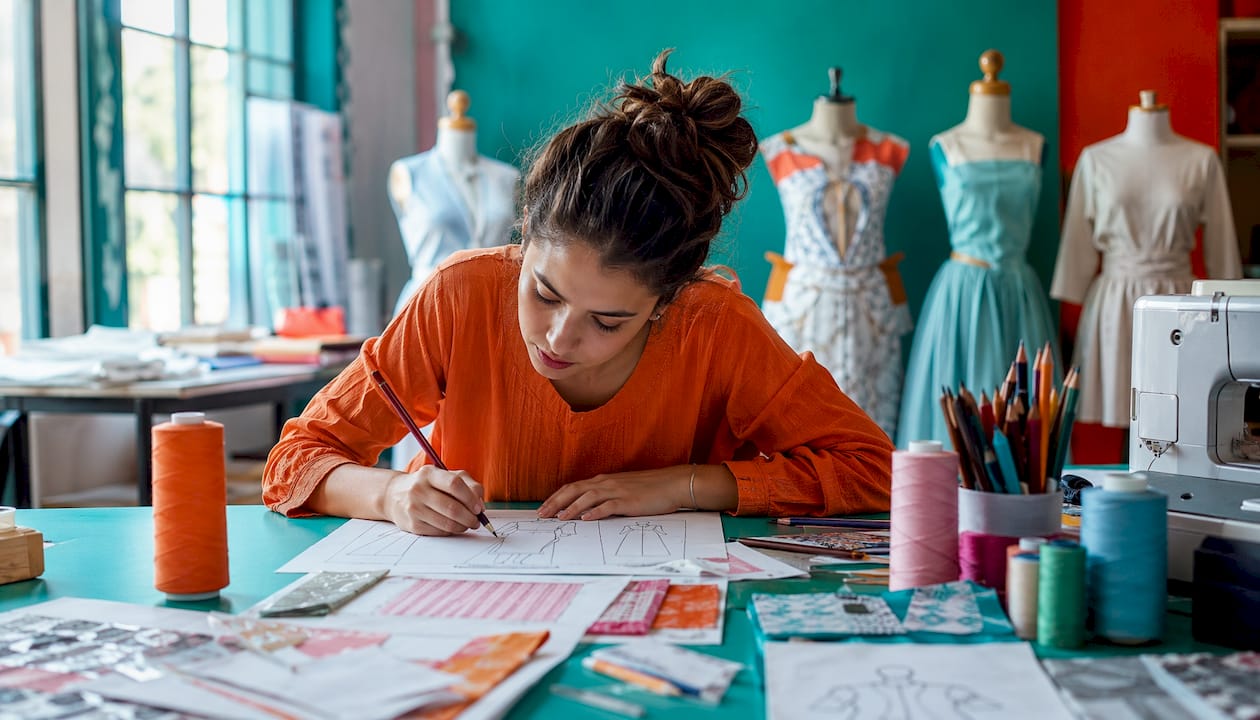
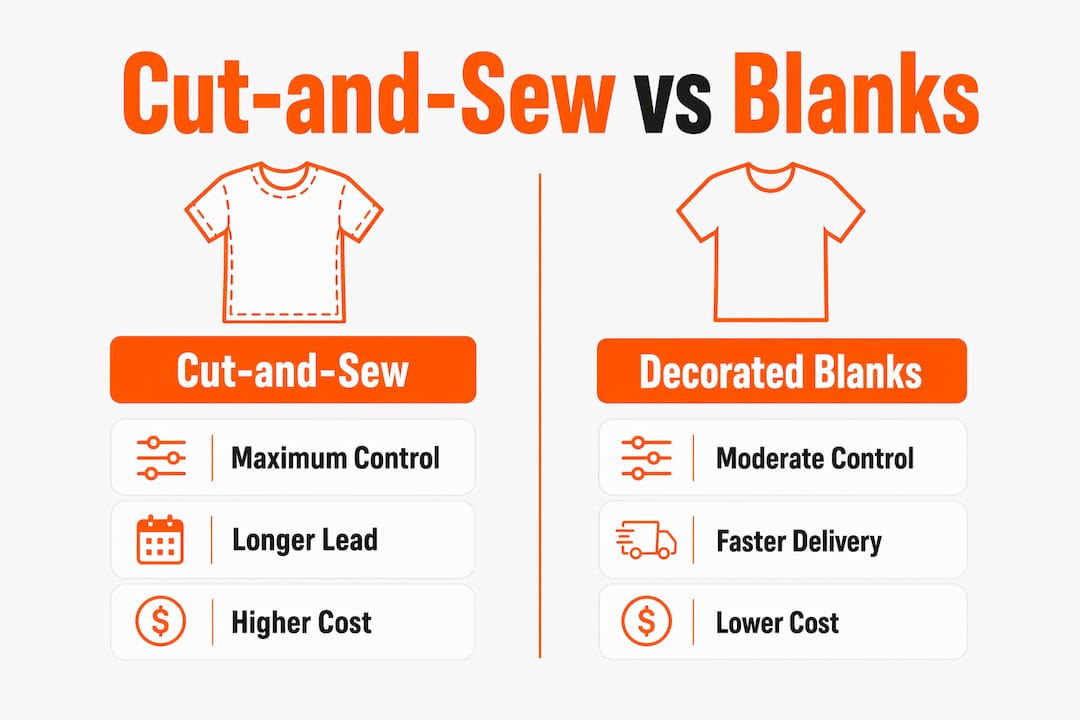
Cut-and-sew apparel means building a garment from scratch: raw fabric is cut into shaped panels using custom patterns, then sewn together to your exact specifications. No pre-made blanks, no off-the-shelf sizing. For most teams, small businesses, and early-stage brands, the smarter first move is decorated blanks — screen printing or embroidery on a style like the American Apparel 2007 to test demand before committing to full custom construction. Cut-and-sew earns its cost when you need a proprietary fit, unique silhouette, or construction details no blank can replicate.
- Start with decorated blanks if you need speed, low minimums, or are testing a new design.
- Move to cut-and-sew when you have validated demand, need a custom fit, or are building a retail product line.
- Budget realistically: custom construction adds pattern, sampling, and fabric sourcing costs that blank decoration does not.
Jam4apparel works with clients across both paths — from decorated blanks for schools and sports teams to guiding growing brands toward custom construction when the time is right.
Table of Contents
- What is cut-and-sew apparel, and how does it differ from blanks?
- How does the cut-and-sew production process work?
- Why do brands choose cut-and-sew, and what are the trade-offs?
- What does cut-and-sew actually cost, and how long does it take?
- What should you prepare before contacting a factory?
- How does sampling and quality control work?
- When should you use alternatives to cut-and-sew?
- Key Takeaways
- A practical perspective on cut-and-sew for growing brands
- Jam4apparel: decorated blanks now, custom apparel when you’re ready
- Useful sources
What is cut-and-sew apparel, and how does it differ from blanks?
Cut-and-sew starts from rolls of raw or dyed fabric. A factory cuts those rolls into individual panels using a custom pattern, then sews the panels into a finished garment. Every detail — fabric weight, seam type, label placement, hardware — is specified by the brand.
Decorating a blank works differently. A manufacturer produces a standard garment (say, an American Apparel 2007 tee), and you add your artwork via screen printing, DTF, or embroidery. The fit, construction, and fabric are already decided. You’re choosing a canvas, not building one.
The practical differences buyers notice:
- Fit and silhouette: Cut-and-sew lets you dial in a specific drop shoulder, extended hem, or oversized body that no standard blank offers.
- Fabric selection: You choose the exact weight, composition, and finish — 280 gsm heavyweight cotton, a performance knit, a recycled poly blend.
- Trims and hardware: Custom zippers, woven labels, specialty stitching, and unique pocket placements are all on the table.
- Private labeling: Your brand owns the pattern. A competitor can’t replicate it by ordering the same blank.
For apparel decoration methods like screen printing or embroidery, blanks remain the faster, lower-risk path for most teams and promotional runs. Cut-and-sew is the step you take when the product itself needs to be the differentiator.
How does the cut-and-sew production process work?
Cut-and-sew manufacturing follows a defined sequence. Each stage requires brand decisions and approvals — skipping one creates problems downstream.
- Tech pack development: A detailed document specifying every construction element: measurements, stitch types, seam allowances, trim details, label placement, and color references. This is your contract with the factory.
- Pattern making: A technical pattern maker translates your specs into physical or digital cutting templates for each size.
- Fabric sourcing and lab dips: The factory sources fabric to your spec. You approve lab dips — physical fabric swatches dyed to your color — before bulk fabric is ordered.
- Prototype/sew-by sample: The first physical garment. Expect it to need adjustments.
- Fit sample and revisions: You try the prototype, mark corrections, and the factory revises the pattern.
- Pre-production sample: A near-final sample using production fabric and trims. This is the approval gate before bulk cutting begins.
- Grading and marker making: The approved pattern is scaled across your full size run, then arranged on a digital marker to minimize fabric waste.
- Cutting: Fabric is laid in multiple plies and cut using the marker. Precision here directly affects consistency across units.
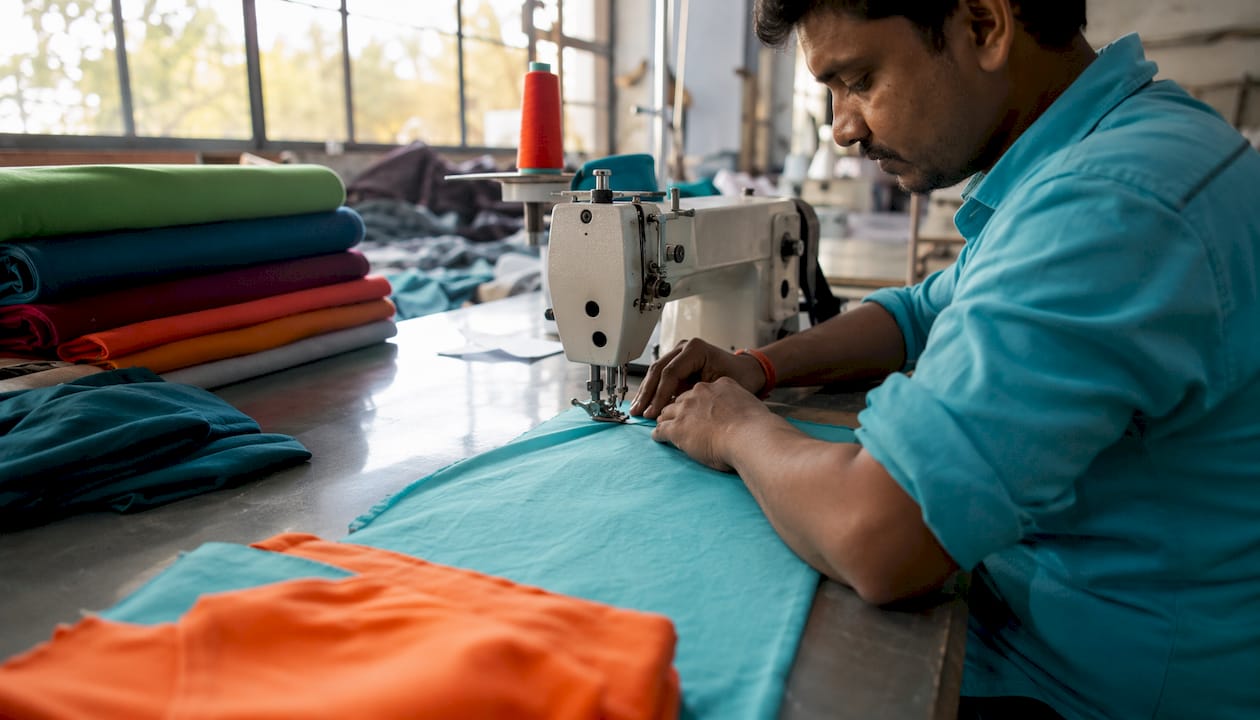
- Sewing and assembly: Operators on industrial machines assemble panels in a set sequence. Stitch type and tension are specified in the tech pack.
- Finishing: Labels are sewn in, trims attached, garments pressed and folded.
- Quality control: Final inspection against your approved pre-production sample — measurements, seams, color, and packaging.
Pro Tip: The tech pack is the single document that determines how many sampling rounds you’ll need. A vague tech pack with missing stitch specs or undefined seam allowances almost always means at least one extra sampling round — and extra weeks on your timeline.
Why do brands choose cut-and-sew, and what are the trade-offs?
Industry experts are consistent on this: brands invest in cut-and-sew primarily to own something competitors can’t copy from a blank. The pattern and construction become proprietary assets.
Core benefits:
- Unique fit and silhouette unavailable in standard blanks
- Full control over fabric composition, weight, and finish
- Custom trims, hardware, and construction details
- Stronger retail margin potential when the product commands a premium price
- Brand identity built into the garment itself, not just the print
Main drawbacks:
- Higher upfront costs: pattern making, sampling, and fabric minimums before a single unit ships
- Longer lead times — typically 10–16 weeks from tech pack to delivery for a new style
- Higher MOQs than blank decoration, usually requiring dozens to several hundred units per style or colorway.
- More complex QC requiring active brand involvement at each sample stage
Sustainability note: Cut-and-sew gives you direct control over fabric origin. Choosing organic cotton, recycled polyester, or low-impact dyes is straightforward when you’re specifying fabric from the start. The cutting stage does generate fabric waste; a well-optimized marker can reduce it, but it’s a real cost to plan for.
| Factor | Cut-and-sew | Decorated blanks |
|---|---|---|
| Brand control | Maximum | Moderate |
| Speed to market | Slower (10–16 weeks) | Faster (1–3 weeks) |
| Upfront cost | Higher | Lower |
| MOQ | ranges from moderate to several hundred units | Often several dozen units |
| Uniqueness | Fully proprietary | Limited by blank availability |
What does cut-and-sew actually cost, and how long does it take?
Cost in cut-and-sew breaks into distinct components, and each one adds up before you see a finished garment.
- **Tech pack and pattern fees depend on complexity and source, but add to the upfront cost.
- **Sampling costs vary per round, with multiple rounds usually needed.
- Fabric unit cost: Varies widely by fiber, weight, and sourcing region.
- CMT (cut, make, trim) fees: The factory’s charge to cut and assemble. CMT rates vary significantly by country and garment complexity — a basic tee costs far less to CMT than a structured jacket with multiple panels and hardware.
- Shipping and duties: Relevant for offshore production; factor in freight, customs, and lead time buffer.
Typical MOQs run 50–300 units per style per colorway for most offshore factories. Domestic US production often has lower MOQs but higher CMT rates.
Lead times typically include several weeks for sampling and additional weeks for bulk production after sample approval. Complex styles, multiple colorways, or fabric sourcing delays push those numbers longer. Brands that underestimate sampling time are the ones who miss launch windows.
Cost drivers to watch: fabric complexity (wovens vs. knits), number of panels, specialty trims, embellishment methods (embroidery or print added post-sew), and total order size. Larger orders spread fixed costs and lower per-unit price.
What should you prepare before contacting a factory?
Walking into an RFQ without a complete tech pack is the fastest way to get a vague quote and a slow start. Factories price what they can see; gaps in your spec become assumptions in their quote.
Tech pack essentials:
- Flat sketches (front, back, detail views)
- Measurements and specs for each size
- Grading rules across the full size run
- Stitch types and seam allowances for every seam
- Trim details: zipper brand/length, button size, label type and placement
- Fabric composition, weight, and finish
- Lab-dip color references (Pantone or physical swatch)
- Shrinkage and tolerance specs
- Label and artwork placement with measurements
Supporting materials to include:
- A reference or sew-by garment that shows the construction you want
- Preferred fabric swatches if you have them
- Your target price per unit and target retail price
Pro Tip: Specify a minimum stitch density (stitches per inch) and seam allowance in your tech pack. A ½-inch seam allowance is standard for most knit garments; dropping below it risks seam failure after washing. Locking this in writing prevents factories from cutting corners to hit a price.
For a deeper look at common ordering mistakes that apply across both cut-and-sew and decorated apparel, that resource covers the pitfalls worth avoiding before you send your first RFQ.
How does sampling and quality control work?
Most cut-and-sew projects move through three to four sample stages before bulk production begins.
Typical sample sequence:
- Prototype/sew-by sample: First construction in approximate fabric. Expect fit issues.
- Fit sample: Revised version incorporating your corrections. This is where you confirm the silhouette.
- Pre-production sample (PPS): Made in production fabric and trims. This is the approval gate — sign off here and bulk production begins.
- Size-set sample: One unit in each size to confirm grading accuracy before the full run cuts.
QC checklist for each sample:
- Measurements across all sizes against your spec sheet
- Seam and stitch inspection (no skipped stitches, consistent tension)
- Trim placement and hardware function
- Lab-dip color match against approved swatch
- Shrinkage test results
- Packaging and label accuracy
Two to three sampling rounds is typical for a new style. A fourth round usually means the tech pack had gaps, or the factory substituted a material without approval.
Pro Tip: For orders above 300 units, a third-party QC inspection at the factory before shipment is worth the cost. An inspector catches measurement drift and seam failures before the goods leave — not after they arrive at your warehouse.
When should you use alternatives to cut-and-sew?
Most brands should validate demand with decorated blanks before committing to custom construction. The alternatives each suit a specific buyer profile.
- Decorated blanks (screen printing, DTF, embroidery): Best for events, team apparel, promotional runs, and testing new designs. Low minimums, fast turnarounds, and no pattern costs. The DTF vs. screen printing comparison is worth reading before choosing a method.
- Print-on-demand: Single units, flexible SKUs, no inventory risk. Per-unit cost is high; branding impact is minimal.
- Screen printing on blanks: Cost-effective for runs of 24+ units with bold, limited-color designs.
- Embroidery on blanks: Premium logo work on polos, hats, and outerwear. Durable and professional without custom construction.
When to move from blanks to cut-and-sew: You’ve sold through multiple reorders on the same style, your customers are asking for a fit or feature the blank doesn’t offer, or you’re pricing into a retail tier where the product needs to justify a higher price point.
Common fabric types in cut-and-sew and their uses:
| Fabric | Properties | Typical use |
|---|---|---|
| cotton | Breathable, printable, natural feel | T-shirts, casual wear |
| Heavyweight cotton (around 280 gsm) | Structured, durable | Premium tees, hoodies |
| Poly/cotton blend | Wrinkle-resistant, holds color | Activewear, uniforms |
| Performance knit | Moisture-wicking, stretch | Athletic and technical wear |
| Recycled polyester | Sustainable, similar to virgin poly | Eco-conscious collections |
Choosing the right heavyweight construction matters whether you’re decorating a blank or specifying fabric for a custom build — the weight affects drape, print adhesion, and perceived quality.
Key Takeaways
Cut-and-sew apparel gives brands full control over fit, fabric, and construction, but it demands more time, money, and preparation than decorating blanks — start with blanks to validate demand, then invest in custom construction when the product and market justify it.
| Point | Details |
|---|---|
| Definition | Cut-and-sew builds garments from raw fabric using custom patterns, not pre-made blanks. |
| When to use it | Choose cut-and-sew after validating demand; use decorated blanks for events, teams, and test runs. |
| Cost and timeline | Budget for pattern, sampling, and CMT fees; allow 10–16 weeks from tech pack to delivery. |
| Tech pack first | A complete tech pack with stitch specs and seam allowances reduces sampling rounds and delays. |
| Jam4apparel | Jam4apparel handles decorated blanks now and helps growing brands plan the move to custom construction. |
A practical perspective on cut-and-sew for growing brands
Most clients who ask about cut-and-sew are actually six to twelve months away from needing it. That’s not a criticism — it’s a pattern worth naming. A school, a sports team, or a small business launching branded merchandise almost never needs a proprietary pattern on day one. What they need is a clean logo on a quality blank, delivered fast, at a price that makes sense for 48 units.
The brands that get cut-and-sew right are the ones who spent time in the decorated-blank phase first. They know which styles their customers actually wear. They’ve reordered the same tee three times and started hearing “I wish the shoulders sat differently” or “can we get this in a heavier fabric?” That’s the signal. Not excitement about owning a pattern — actual customer feedback pointing at a gap the blank can’t fill.
The other thing most guides understate: the transition is a management shift, not just a budget shift. Decorating a blank means choosing a print. Cut-and-sew means approving lab dips, reviewing seam specs, and making judgment calls on a pre-production sample. Brands that treat it like a bigger version of ordering shirts get surprised by the involvement it requires. The ones who treat it like a product development project — with a real tech pack and clear approval milestones — tend to land well.
For identity-driven brands building something with long-term staying power, custom construction is eventually the right move. Just not always the first one.
Jam4apparel: decorated blanks now, custom apparel when you’re ready
Jam4apparel delivers fast, professional apparel decoration for brands and teams across the Chicagoland area — screen printing, embroidery, DTF transfers, custom patches, and spirit wear stores, all produced in-house for consistent quality and quick turnarounds. Whether you need 24 event tees or 500 branded polos for a corporate rollout, Jam4apparel handles it without the long lead times or high minimums that cut-and-sew requires.
For teams and businesses ready to test a design, launch a spirit wear store, or outfit a crew fast, decorated blanks through Jam4apparel are the practical first step. And when your brand is ready to move into custom construction, Jam4apparel’s experience across industries means you’ll have a partner who understands the full path. Get a quote at jam4apparel.com and tell us what you’re building.
Useful sources
- Cut and Sew Manufacturing Explained — Sourcify: detailed production stage breakdown and tech pack guidance.
- Cut and Sew Glossary — WearView: concise definition and brand differentiation context.
- Cut and Sew Guide — Apex Fashion Lab: CMT cost context and MOQ ranges for global sourcing.
- What Is Cut and Sew? — HAPA: step-by-step process overview with ready-to-wear context.
- Cut and Sew — Wikipedia: encyclopedic reference for definitions and industry use.
- Jam4apparel Blog: practical comparison of decoration methods for teams and brands.
Recommended
Ready to print your design?
Screen print, embroidery, and DTF — no minimums on many styles.