
What Is Custom Branded Merchandise? A 2026 Guide
June 28, 2026
What Is Custom Branded Merchandise? A 2026 Guide
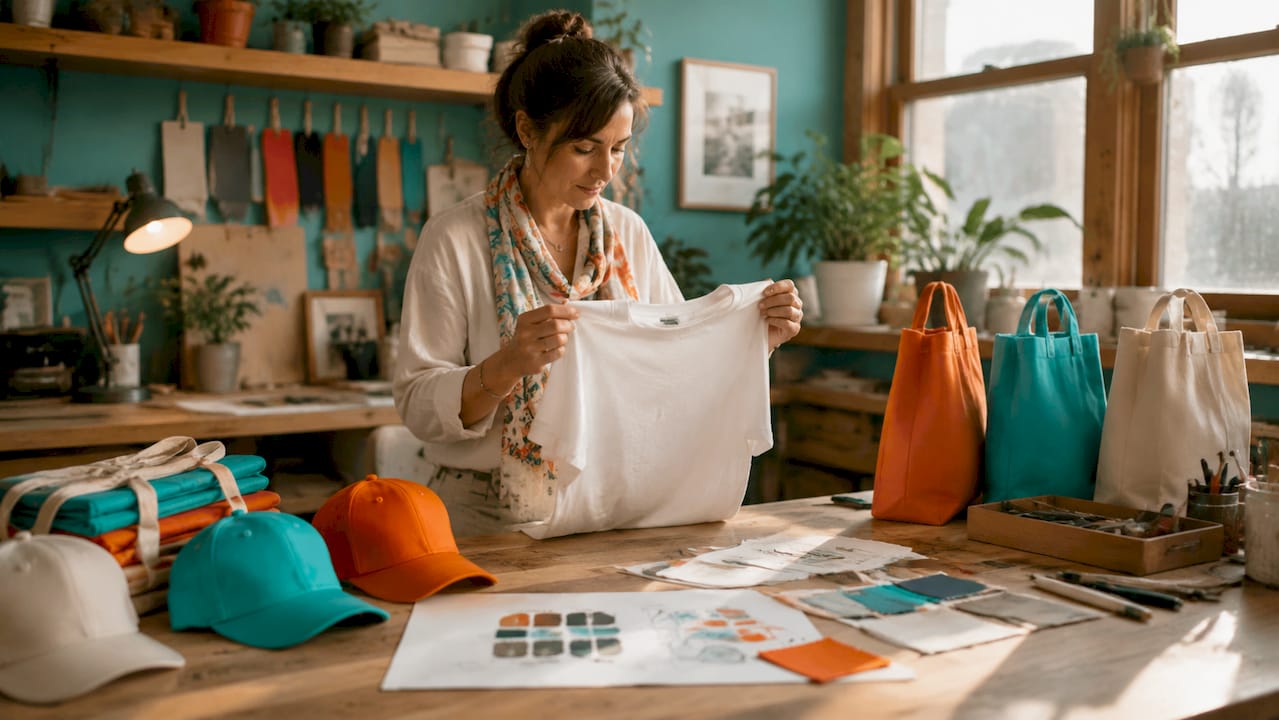
Custom branded merchandise is defined as physical products intentionally designed to carry a brand’s identity, including its logo, colors, typography, and values, with the goal of building recognition and loyalty. The industry term used by professionals is “branded merchandise,” and it covers everything from embroidered polo shirts to screen-printed tote bags. Promotional product recipients show an 83% brand recall rate, according to PPAI 2026 research. That number means a well-made branded item keeps your organization top of mind long after the event ends. For small business owners, nonprofit organizers, and event planners, understanding what is custom branded merchandise is the first step toward using it as a real brand-building tool.
What is custom branded merchandise, and how does it work?
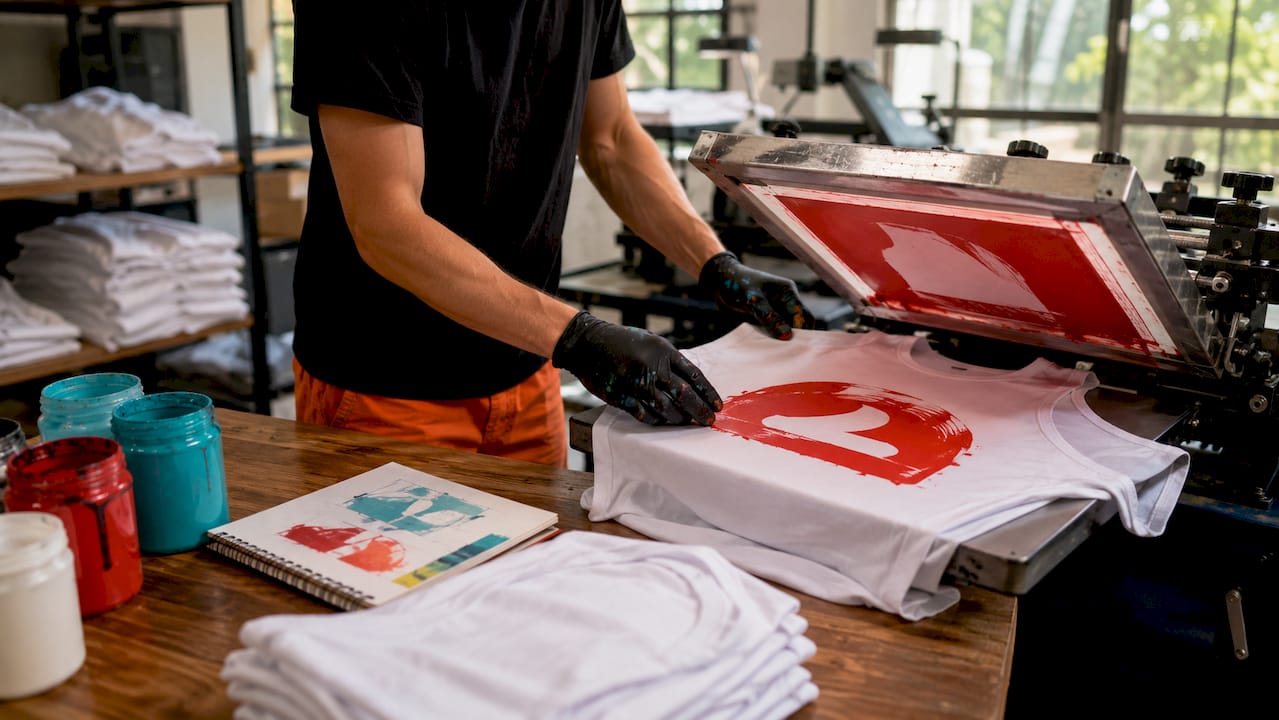
Custom branded merchandise refers to physical products decorated with a brand’s visual identity and distributed to customers, employees, donors, or event attendees. The decoration methods most commonly used include screen printing, embroidery, and DTF (Direct-to-Film) transfers. Each method suits different product types and design needs. Screen printing works best for bold, flat graphics on t-shirts and hoodies. Embroidery delivers a premium, textured finish on hats and polos. DTF transfers handle full-color, detailed artwork on a wide range of fabrics.
The “custom” part means the product is not pulled off a generic shelf. It is produced specifically for your brand, with your chosen colors, artwork, and messaging. Genuinely effective custom merch integrates brand colors, typography, and patterns into the product design rather than simply placing a logo on a blank item. That distinction matters because it determines whether the item feels like a thoughtful brand expression or a throwaway giveaway.
How does branded merchandise differ from generic promotional products?
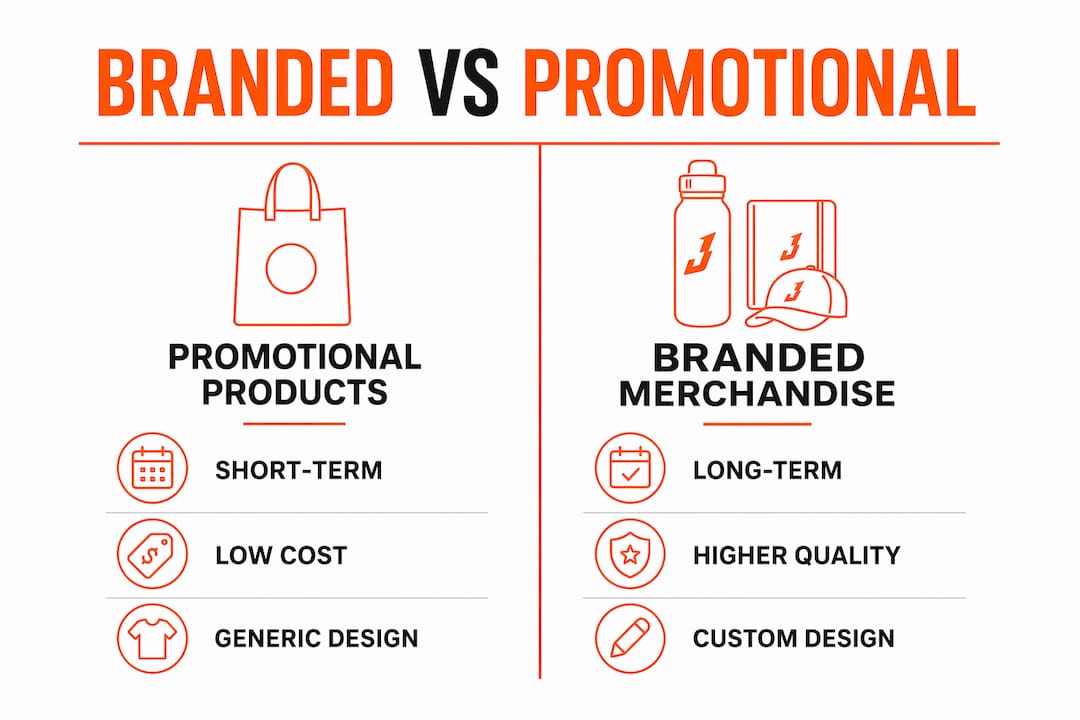
Promotional products are typically low-cost giveaways produced for short-term campaigns, while branded merchandise refers to higher-quality, ongoing items designed to build affinity over time. The difference is not just price. It is intent, quality, and strategy.
Here is how the two categories compare across key dimensions:
| Category | Promotional products | Branded merchandise |
|---|---|---|
| Primary goal | Short-term campaign awareness | Long-term brand affinity and loyalty |
| Quality tier | Entry-level, cost-driven | Mid to premium, brand-aligned |
| Design approach | Logo placement on stock items | Full brand identity integration |
| Lifespan | Single event or campaign | Ongoing, curated product line |
| Distribution | Mass giveaway | Targeted, defined distribution |
The practical implication for a small business or nonprofit is clear. A cheap pen with your logo printed on it serves a different purpose than a well-made embroidered hoodie your team wears every week. The hoodie builds culture. The pen gets lost in a drawer.
Key characteristics that define true branded merchandise:
- Consistent use of brand colors, fonts, and visual standards across all items
- Product selection based on audience lifestyle and daily utility
- Decoration quality that reflects the organization’s overall standards
- A defined distribution plan tied to a specific objective
Why invest in custom branded merchandise?
The benefits of custom merchandise extend well beyond putting your name in front of people. 70% of consumers connect the quality of promotional products directly to a company’s reputation, according to a 2025 Harris Poll report. That means a poorly made item does not just get ignored. It actively signals something negative about your brand.
For small businesses, branded apparel worn by staff creates a consistent, professional appearance that builds trust with customers. For nonprofits, a well-designed t-shirt worn by volunteers at a fundraiser turns every attendee into a walking ambassador for the cause. For event planners, custom merchandise gives attendees a physical memory of the experience that digital channels simply cannot replicate.
“Branded merchandise provides authentic, tactile brand experiences that digital channels cannot deliver, reinforcing trust and emotion.” — ASI Central
Physical branded merchandise supports culture-building in distributed work settings better than digital-only communications. Remote teams that receive a branded welcome kit feel more connected to the organization than those who receive only an email. That connection translates to engagement, retention, and a stronger sense of shared identity.
The core benefits worth tracking:
- Brand recall: Physical items create repeated impressions every time they are used
- Reputation signaling: Product quality communicates organizational standards
- Employee engagement: Branded apparel builds team cohesion and pride
- Community visibility: Merchandise worn in public generates organic exposure
- Donor and client appreciation: Thoughtful gifts strengthen relationships
Pro Tip: Choose products your audience will actually use daily, such as water bottles, hats, or hoodies, rather than novelty items that sit in a drawer. Daily use means daily brand impressions.
How to create effective custom branded merchandise
Effective branded merchandise starts with a clear objective, not a product catalog. Merchandise effectiveness depends on starting with the objective, whether that is retention, awareness, or revenue, and letting that goal guide product choice and quality tier. Skipping this step is the most common reason branded merchandise programs underperform.
Follow these steps to build a merchandise program that works:
-
Define your objective first. Are you building team culture, rewarding donors, or increasing event visibility? Each goal points to a different product type and quality level.
-
Anchor every decision in your brand identity. Pull your exact brand colors, approved fonts, and logo files before selecting a product. The product should feel like a natural extension of your brand, not an afterthought.
-
Select products based on audience utility. A martial arts academy benefits from custom rashguards and gym bags. A nonprofit running a 5K benefits from performance shirts and hats. Match the product to how your audience actually lives.
-
Choose the right decoration method. Screen printing suits high-volume runs with bold graphics. Custom embroidery services deliver a premium look on structured garments like polos and caps. DTF transfers work well for small batches with complex, full-color artwork.
-
Plan your distribution before you order. Decide who receives the merchandise, when, and through what channel. A spirit store, a direct mail drop, or an event handout each requires different quantities and packaging.
-
Set a quality floor and stick to it. The item represents your brand every time someone sees it. Cutting corners on fabric weight or print quality undermines the entire investment.
Pro Tip: Work with a production partner that handles decoration in-house. In-house production means faster turnaround, tighter quality control, and a single point of contact when adjustments are needed.
Common pitfalls in custom branded merchandise
The biggest mistake organizations make is treating merchandise as a commodity rather than a strategic asset. When merchandise is ordered without a defined objective, the result is usually a pile of items that no one wants and no one distributes effectively.
Watch for these specific pitfalls:
- Skipping brand alignment: Ordering whatever is cheapest without checking whether it matches your visual standards dilutes your brand rather than building it.
- Ignoring quality signals: Because product quality connects directly to perceived reputation, a low-quality item sends a message you did not intend.
- No distribution plan: Boxes of shirts sitting in a storage room generate zero brand impressions. Distribution must be planned before production begins.
- Ordering without audience input: What your team thinks looks cool and what your customers will actually wear are often different things. Ask before you order.
- Inconsistent decoration across items: Mixing different logo versions, colors, or print placements across a product line creates a fragmented brand image.
Well-managed merchandise programs include curated product lines, consistent decoration, defined distribution rules, and efficient ordering processes. Building those structures from the start saves money and produces better results than fixing problems after the fact.
Pro Tip: Before placing any order, write down one sentence describing the objective of the merchandise program. If you cannot write that sentence, you are not ready to order yet.
Key takeaways
Custom branded merchandise works when it is grounded in brand identity, built to a quality standard that reflects your organization, and distributed with a clear purpose.
| Point | Details |
|---|---|
| Definition matters | Branded merchandise integrates full brand identity into products, not just logo placement. |
| Quality signals reputation | 70% of consumers link product quality directly to how they perceive a company. |
| Start with the objective | Define whether you are building awareness, retention, or community before choosing a product. |
| Distribution is half the strategy | A plan for who gets the merchandise and when determines whether it generates impact. |
| Physical beats digital for connection | Tactile branded items build emotional connections that email and social media cannot replicate. |
What I have learned from watching brands get this wrong
After seeing hundreds of merchandise programs come together, the pattern that separates the ones that work from the ones that waste money is almost always the same. The organizations that succeed treat branded merchandise the way they treat any other marketing investment. They set a goal, choose products that serve that goal, and measure whether it worked.
The ones that struggle do the opposite. They pick a product because it is inexpensive or because someone saw it at a trade show. They order too many, distribute too few, and wonder why no one is wearing the shirts. The physical presence of branded merchandise creates meaningful brand connections that purely digital channels often lack, but only when the item is good enough that someone actually wants to keep it.
For small businesses and nonprofits especially, I think the smartest move is to start smaller than you think you need to. Order a tight, well-made product line. Get it into the right hands. See what happens. You can always scale up. You cannot un-order 500 shirts that nobody wants. The brands I have watched build real merchandise equity over time are the ones that treated every item as a deliberate choice, not a box to check. That discipline is what custom apparel builds into brand identity over the long run.
— Adam
Jam4apparel brings your branded merchandise to life
Jam4apparel is a custom apparel and promotional products company based in Lake in the Hills, Illinois, serving small businesses, nonprofits, schools, and event organizers throughout the Chicagoland area.
All production happens in-house, which means faster turnaround times and direct quality control on every order. Whether you need screen-printed bulk apparel for a fundraiser, embroidered polos for your team, or a full spirit store for your organization, Jam4apparel handles the entire process from artwork to delivery. The team works with orders of all sizes, from a few dozen pieces to thousands. Reach out to Jam4apparel at jam4apparel.com to get a quote and start building merchandise that actually represents your brand.
FAQ
What is the custom merchandise definition in simple terms?
Custom branded merchandise is physical products, such as shirts, hats, or bags, decorated with a brand’s logo, colors, and design to build recognition and loyalty. The key difference from generic products is that every design decision reflects the brand’s identity.
How does branded merchandise boost brand recall?
Promotional product recipients show an 83% brand recall rate, according to PPAI 2026 research. Physical items create repeated impressions every time they are used, which is something a digital ad cannot do.
What are the best examples of custom merchandise for small businesses?
Screen-printed t-shirts, embroidered hats, branded tote bags, and custom hoodies are among the most effective options. The best choice depends on your audience’s lifestyle and how often they will realistically use the item.
Why does merchandise quality matter so much?
70% of consumers connect the quality of a promotional product directly to the company’s reputation, according to a 2025 Harris Poll report. A low-quality item signals low standards, regardless of how good the design looks.
How many items should I order for my first merchandise program?
Start with a focused, smaller run rather than a large bulk order. Test which products your audience responds to, then scale up based on real demand rather than assumptions.
Recommended
Ready to print your design?
Screen print, embroidery, and DTF — no minimums on many styles.