What Is a Screen Printed Banner? Process and Uses
June 30, 2026
What Is a Screen Printed Banner? Process and Uses
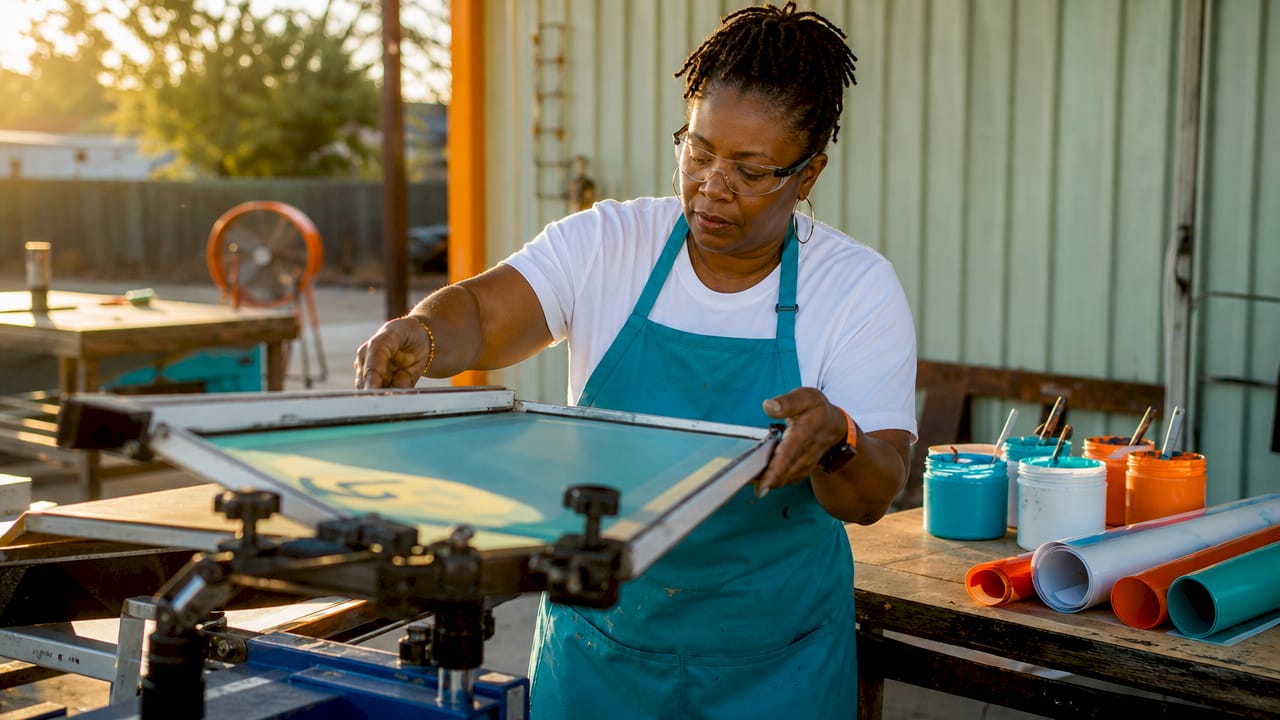
A screen printed banner is a promotional display created by forcing ink through a mesh screen stencil onto durable banner material, producing thick, vibrant, and long-lasting graphics. The industry term for this method is stencil-based screen printing, and it stands apart from digital printing because the ink is physically deposited in layers rather than sprayed. That ink thickness is what gives screen printed banners their signature opacity and color punch. For organizations that need bold visuals to survive outdoor conditions, this method delivers results that digital printing simply cannot match at scale.
What is a screen printed banner, and how does it differ from other types?
A screen printed banner uses a tightly woven mesh screen coated with a light-sensitive emulsion to transfer ink onto a substrate. Each color in the design requires its own dedicated screen. The result is a print with noticeably thicker ink layers than you get from inkjet or UV-cured digital methods. That thickness translates directly into durability, color vibrancy, and resistance to fading.
Most banners you see at retail stores, festivals, or trade shows are actually produced with large-format inkjet printing. Screen printing is reserved for high-volume or specialty projects where intense color saturation or superior ink adhesion is the priority. Knowing this distinction saves you from ordering the wrong method for your project.
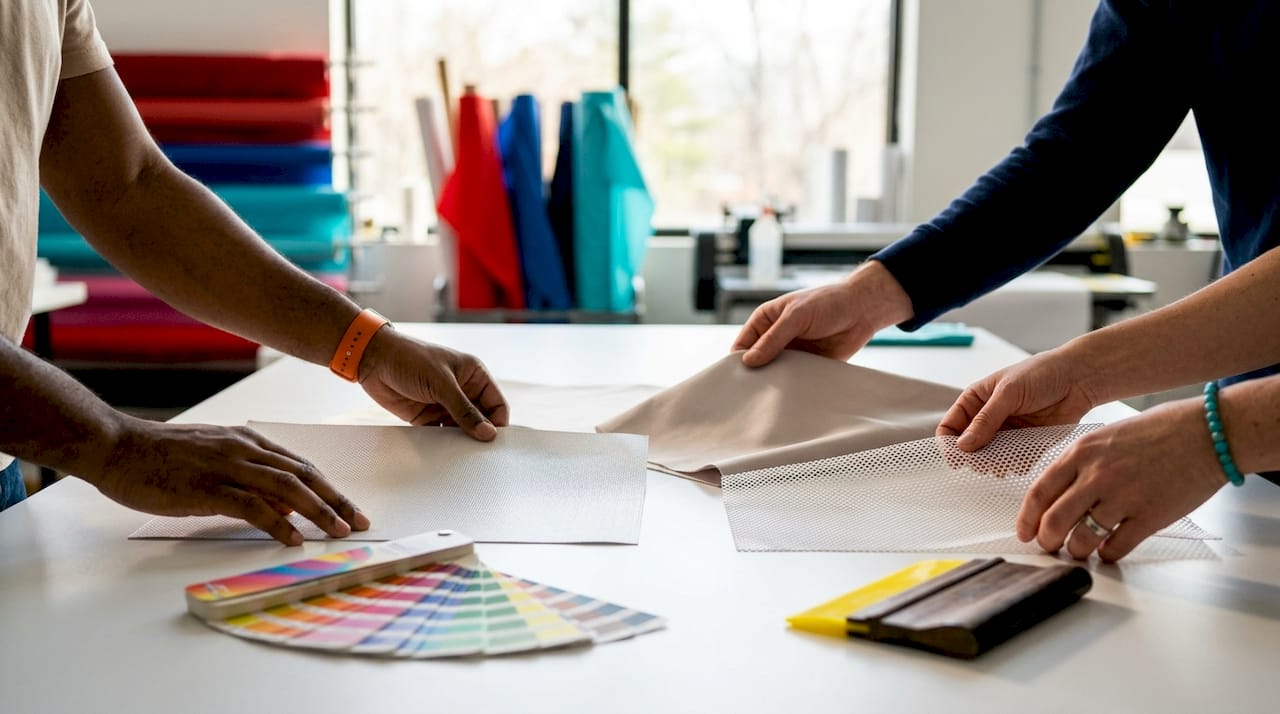
Screen printing works best on flat, uniform surfaces. Common banner materials include 13 oz scrim vinyl, polyester fabric, and mesh vinyl. Each material requires a specific ink formulation and surface treatment to achieve proper adhesion.
How does the screen printing process work for banners?
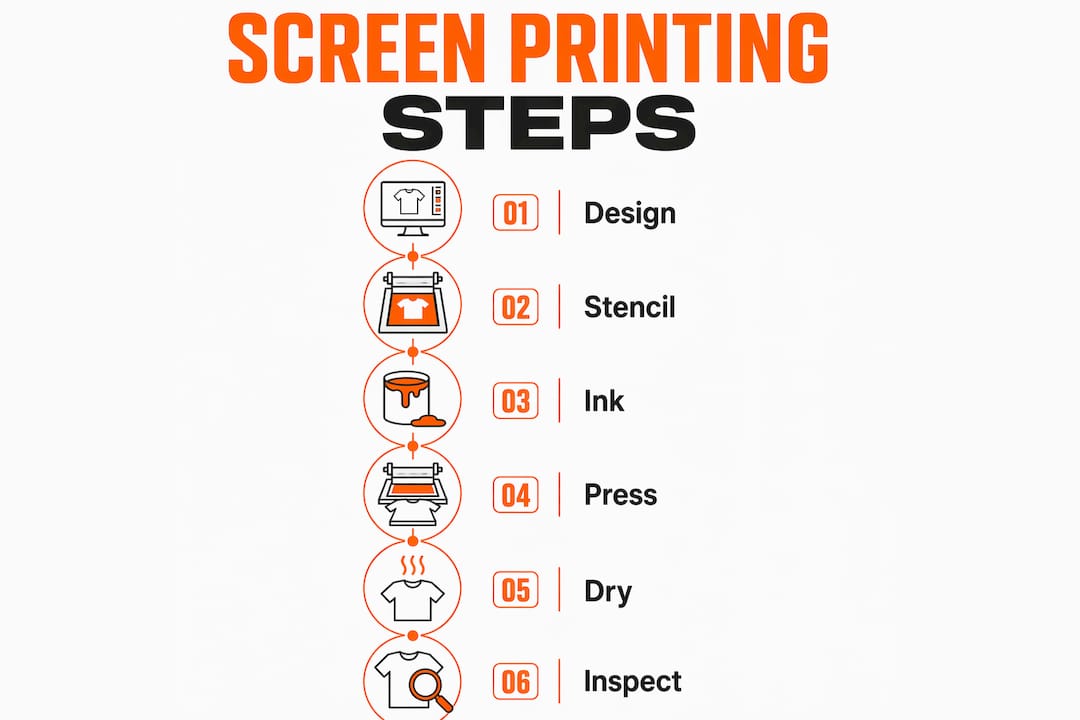
The screen printing process follows a clear sequence of steps. Each step directly affects the quality of the finished banner.
- Design preparation. The artwork is converted into a film positive, a high-contrast black-and-white transparency for each color in the design.
- Screen coating. A mesh screen is coated with photosensitive emulsion and left to dry in a dark environment.
- UV exposure. The film positive is placed on the coated screen and exposed to ultraviolet light. The UV light hardens the emulsion everywhere except where the design blocks it.
- Washout. The screen is rinsed with water. The unexposed emulsion washes away, leaving open mesh areas that form the stencil.
- Ink application. The screen is positioned over the banner material. Ink is poured onto the screen and pulled across with a squeegee, forcing it through the open stencil areas onto the substrate.
- Curing. The printed banner passes through a heat tunnel or dryer to cure the ink, locking it to the surface and maximizing adhesion.
For multi-color designs, steps 1 through 6 repeat for each color using a separate screen. Registration accuracy is critical here. Misalignment between color layers ruins entire print batches, especially on non-textile substrates like banner vinyl. Professional shops use pinning systems or vacuum-bed registration to keep each layer precisely placed.
Two technical parameters control print quality more than any others: mesh count and ink viscosity. A higher mesh count produces finer detail but deposits less ink. A lower mesh count lays down thicker ink, which works well for bold, solid graphics. Controlling mesh count, ink viscosity, squeegee settings, and curing parameters determines whether a banner looks sharp or muddy.
Pro Tip: If your banner design uses more than four colors, get a cost estimate for both screen printing and digital printing before committing. Setup costs for each additional screen add up fast, and digital may be the smarter call for complex artwork in short runs.
What are the advantages and limitations of screen printed banners?
Screen printing produces vivid, long-lasting prints with ink thickness that digital methods cannot replicate. That ink depth creates a tactile quality and a color intensity that reads well from a distance, which is exactly what you need for outdoor signage or event displays.
The limitations are real, though. Setup involves film positive creation, emulsion coating, UV exposure, and washout before a single banner gets printed. That process takes time and costs money upfront. For a run of five banners with six colors, the setup cost per unit is hard to justify.
Where screen printing wins:
- Bold, simple graphics with one to four solid colors
- High-volume runs where setup cost spreads across many units
- Outdoor environments with heavy UV exposure or abrasion
- Industrial signage requiring chemical resistance
- Applications where ink thickness and opacity are non-negotiable
Where digital printing wins:
- Short runs of one to twenty-five units
- Photographic images or gradients with many colors
- Fast turnaround with no setup fees
- Projects where cost per unit matters more than ink durability
Digital printing handles about 95% of custom banner needs due to lower cost and faster turnaround for small quantities. Screen printing earns its place when durability under harsh, UV-intensive, or abrasive conditions is the deciding factor.
Pro Tip: Ask your printer for a side-by-side ink thickness comparison on scrap material before approving a large run. The visual difference between screen printed and digitally printed ink on vinyl is immediately obvious and helps you confirm you are getting what you paid for.
Which types of banners and materials work best with screen printing?
Not every banner material is compatible with screen printing. The substrate must be flat, non-porous enough to hold ink, and able to withstand the curing temperatures required to set the ink properly.
Common screen-printable banner materials:
- 13 oz scrim vinyl. The most widely used banner material. It accepts solvent-based and UV-curable screen printing inks well and holds up outdoors for extended periods.
- Polyester fabric. Used for hanging banners, trade show displays, and retail environments. Fabric banners screen printed with plastisol or water-based inks have a softer feel and a more premium appearance.
- Mesh vinyl. Allows wind to pass through, making it ideal for fence banners and large outdoor installations. Screen printing on mesh requires careful ink selection to avoid clogging the perforations.
- Rigid substrates. Anodized aluminum, corrugated plastic, and foam board can all be screen printed. Screen printing on anodized aluminum produces markings with zero legibility degradation after 18 months of field use in harsh conditions.
| Material | Best use | Durability |
|---|---|---|
| 13 oz scrim vinyl | Outdoor events, retail | High |
| Polyester fabric | Trade shows, indoor displays | Medium |
| Mesh vinyl | Fence wraps, large outdoor | High |
| Anodized aluminum | Industrial, permanent signage | Very high |
Screen printing works across textiles, ceramics, glass, metal, plastic, and specialty banner materials, but each substrate demands a specific ink and surface treatment match. Using the wrong ink on the wrong material causes peeling, cracking, or color shift within weeks. A good printer tests ink adhesion on your specific substrate before committing to a full run.
For a deeper look at how ink properties affect print appearance and longevity, the screen printing ink types guide at Jam4apparel covers the key differences between plastisol, water-based, and discharge inks in practical terms.
How to decide if a custom screen printed banner is right for your project
The right printing method depends on four factors: run size, color count, durability requirements, and budget. Getting this decision wrong costs you money in either unnecessary setup fees or premature banner replacement.
Ask yourself these questions before ordering:
- How many banners do you need? Screen printing becomes cost-effective at higher quantities. For small runs, the per-unit setup cost is hard to absorb.
- How many colors does your design use? Each color requires a separate screen. Designs with one to four solid colors are the sweet spot for screen printing.
- Where will the banner be displayed? Outdoor banners exposed to direct sunlight, rain, or physical contact benefit most from the thicker ink layers screen printing provides.
- How long does the banner need to last? If you need a banner for a single weekend event, digital printing is faster and cheaper. If you need a banner that holds up for a full outdoor season, screen printing is the better investment.
- What is your turnaround window? Screen printing setup takes longer than digital. Plan for additional lead time when choosing this method.
Ideal applications for screen printed banners include outdoor festivals running multiple weekends, permanent retail signage, industrial facility identification, and sports venue displays. For a one-time event or a design with photographic elements, digital printing techniques are the more practical choice.
Working with a printer who does production in-house, like Jam4apparel in Lake in the Hills, Illinois, shortens turnaround time and gives you direct access to technical guidance on material and ink selection before you commit to a method.
Key takeaways
Screen printed banners deliver superior ink thickness and durability, making them the right choice for bold, high-volume, or long-term outdoor applications where digital printing falls short.
| Point | Details |
|---|---|
| Screen printing defined | Ink is forced through a mesh stencil onto banner material, creating thick, durable, opaque graphics. |
| Best for bold, high-volume runs | Screen printing is cost-effective when run size is large and the design uses four or fewer solid colors. |
| Digital printing dominates short runs | Digital handles about 95% of custom banner needs due to lower setup cost and faster turnaround. |
| Material match matters | Each substrate requires a specific ink formulation; using the wrong ink causes peeling or color failure. |
| Registration accuracy is critical | Multi-color screen printing requires precise alignment systems to prevent misalignment across ink layers. |
Why screen printing is misunderstood more than any other banner method
Screen printing has a reputation problem. Clients come in assuming it is the premium default for every banner project, and that assumption leads to real budget waste. The truth is more specific, and understanding it makes you a smarter buyer.
The biggest misconception I see is that thicker ink automatically means better results for every application. That is only true when the application actually demands it. A banner for a one-day school fundraiser does not need the same ink durability as a permanent outdoor sign on a warehouse wall. Ordering screen printing for the fundraiser banner is like buying a truck to deliver a single pizza. The capability is real, but the fit is wrong.
The second thing clients consistently underestimate is registration accuracy in multi-color work. When a design has three or four colors, each layer has to land in exactly the right position on every single banner in the run. A fraction of a millimeter of drift compounds across a large batch. I have seen entire runs scrapped because a shop skipped proper vacuum-bed registration to save time. That shortcut costs far more than the time it saved.
Where screen printing genuinely earns its place is in harsh outdoor conditions. The ink does not just sit on the surface. It bonds to it. A screen printed vinyl banner on a chain-link fence at an outdoor stadium handles wind, rain, and direct sun in a way that digitally printed material simply cannot sustain over multiple seasons.
My practical advice: match the method to the job, not to a preference. If your design is bold, your run is large, and your banner needs to survive real weather, screen printing is the right call. If you are printing twenty banners for a one-time event with a full-color logo, go digital and spend the savings on something that actually moves the needle for your organization.
— Adam
Jam4apparel’s custom screen printing services
Jam4apparel specializes in custom screen printing for apparel, promotional products, and branded merchandise throughout the Chicagoland area. Whether you need bold event banners, team gear, or company uniforms, the in-house production team handles every step from artwork prep to final curing.
Jam4apparel serves small businesses, schools, sports teams, nonprofits, and growing brands with competitive pricing and fast turnaround. If you are weighing screen printing against other methods for your next project, the team can walk you through material options, color counts, and run sizes to help you make the right call. Reach out through the custom apparel by industry page to get a quote tailored to your specific needs.
FAQ
What is a screen printed banner made of?
A screen printed banner is typically made from 13 oz scrim vinyl, polyester fabric, or mesh vinyl, with ink forced through a mesh stencil and cured to bond permanently to the surface.
How many colors can a screen printed banner have?
Each color requires a separate screen, so designs with one to four solid colors are the most cost-effective. More colors increase setup time and cost significantly.
Is screen printing better than digital printing for banners?
Screen printing produces thicker, more durable ink layers, making it better for outdoor or long-term use. Digital printing is faster and cheaper for short runs or designs with photographic detail.
How long does a screen printed banner last outdoors?
Screen printed panels on substrates like anodized aluminum show zero legibility degradation after 18 months of field use in harsh conditions, making them one of the most durable outdoor signage options available.
What is the minimum order quantity for screen printed banners?
Minimum quantities vary by printer, but screen printing becomes cost-effective at larger run sizes due to per-color setup fees. For very small quantities, digital printing is usually the more practical option.
Recommended
Ready to print your design?
Screen print, embroidery, and DTF — no minimums on many styles.