
What Is a Fundraising Apparel Store? Your Full Guide
July 25, 2026

What Is a Fundraising Apparel Store? Your Full Guide
What is a fundraising apparel store?
A fundraising apparel store is a retail platform where organizations sell custom-branded clothing and accessories to raise money for their cause. Schools, sports teams, nonprofits, clubs, and community groups all use them. The store sells spirit wear, such as t-shirts, hoodies, and hats, printed or embroidered with the group’s logo, colors, and messaging. Supporters buy the gear, and the proceeds fund the organization’s goals.
Here is what defines a fundraising apparel store:
- Sells custom-branded apparel tied to a specific cause or group
- Operates online, at events, or both
- Uses print-on-demand or bulk inventory fulfillment
- Generates revenue through a markup over production cost
- Builds community pride while raising funds
Table of Contents
- How fundraising apparel stores operate
- Why organizations choose fundraising apparel stores
- What makes a fundraising apparel store effective?
- How to start your own fundraising apparel store
- Best practices for authentic, high-performing stores
- Common challenges and how to overcome them
- Examples of successful fundraising apparel campaigns
- Key Takeaways
- Jam4apparel brings your fundraising apparel store to life
How fundraising apparel stores operate
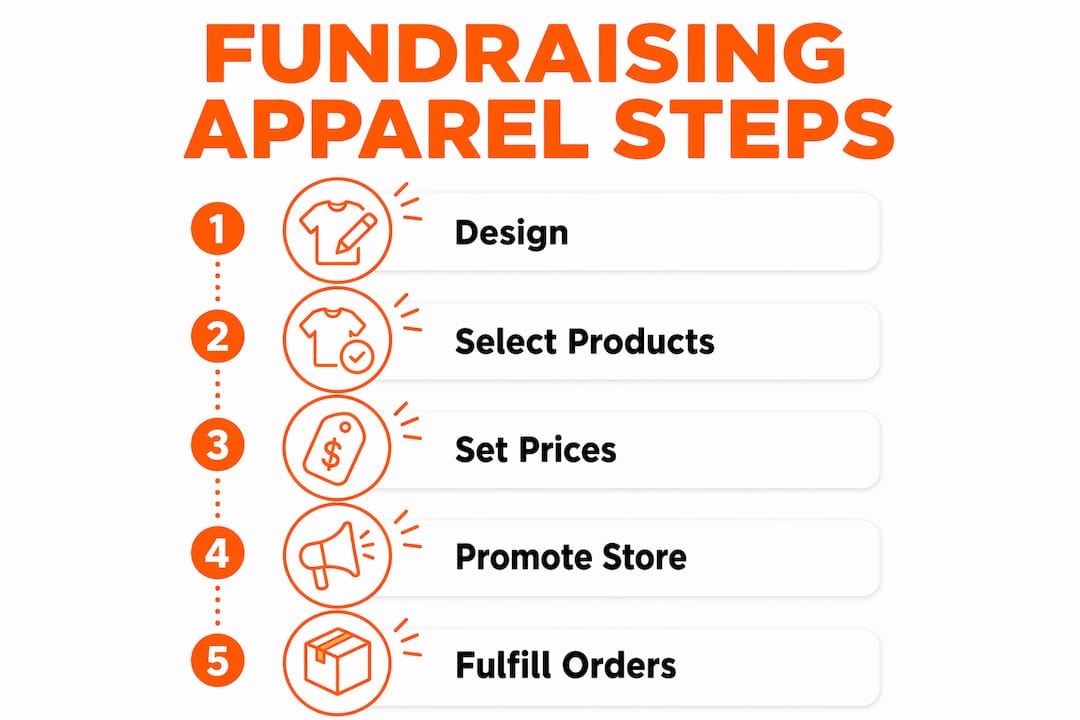
The setup process starts with artwork. You upload your logo or design, choose your product catalog, set retail prices, and open the store to supporters. Most platforms handle payment processing, order tracking, and fulfillment automatically.
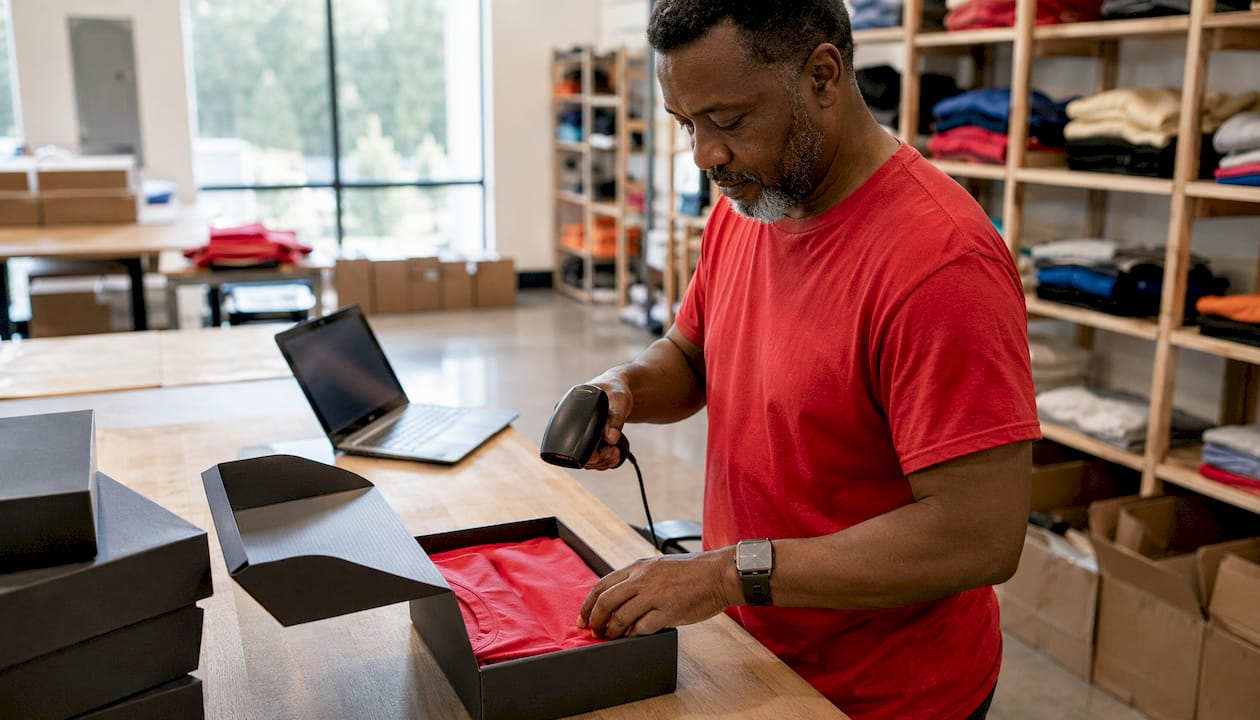
Two fulfillment models dominate. Print-on-demand means each item is produced only after a supporter orders it, so there is no inventory to manage and no upfront cost. Bulk ordering requires you to purchase a set quantity in advance, which lowers cost per unit but demands accurate demand forecasting. The right choice depends on how predictable your sales volume is.
Here is how a typical fundraising apparel store runs from start to finish:
- Design custom artwork with your logo, colors, and campaign message
- Select products and set retail prices above production cost
- Open the store online or at a scheduled event
- Supporters browse, order, and pay through the storefront
- Items are printed and shipped directly to buyers (print-on-demand) or distributed at pickup (bulk)
- Your organization receives the profit margin after production costs
Profit sharing works through the gap between retail price and production cost. Print-on-demand typically yields a 20%–25% margin per item, with bulk orders generally achieving the higher end of that range as per-unit costs decrease with volume.
Why organizations choose fundraising apparel stores
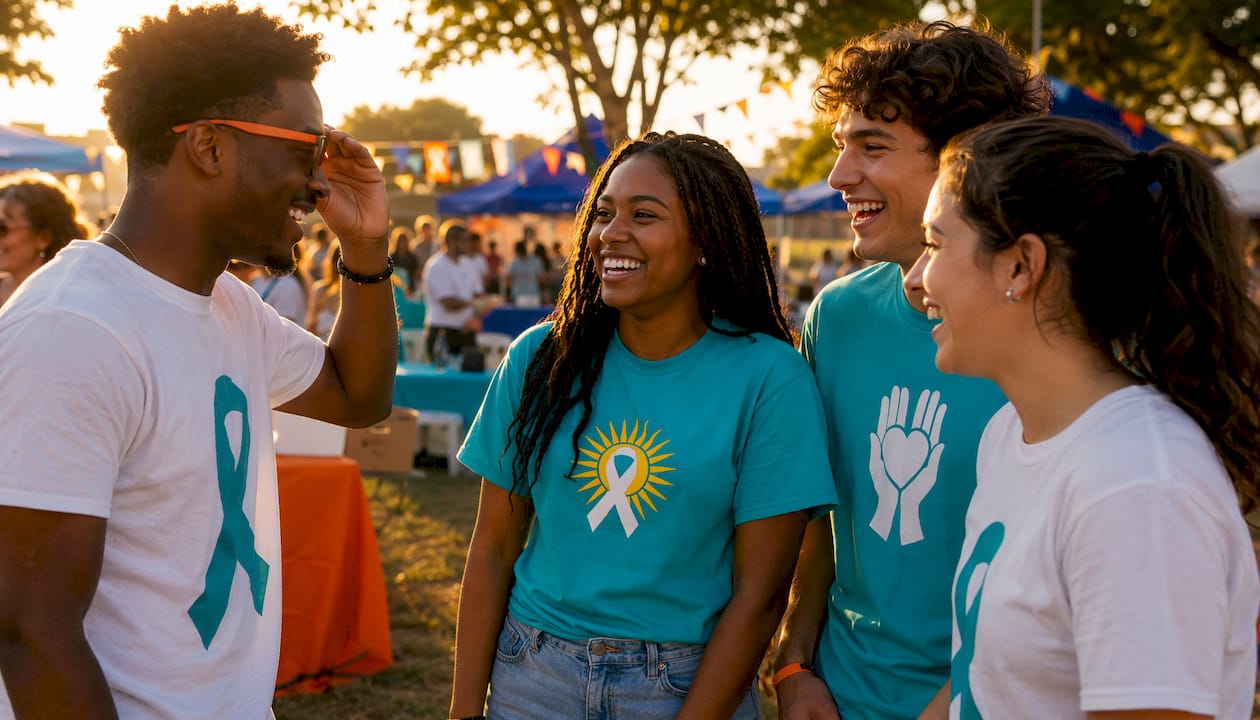
Custom-branded merchandise does more than raise money. Every supporter who wears your shirt becomes a walking advertisement for your cause, building visibility in the community long after the campaign ends. That passive exposure is something a bake sale or raffle simply cannot replicate.
Key benefits include:
- Revenue generation: Adds an income stream beyond direct donations
- Brand visibility: Branded apparel keeps your name in front of new audiences
- Supporter engagement: Wearable merchandise creates an emotional connection to the cause
- Flexibility: Stores run year-round online or as short-window event shops
- Community pride: Spirit wear builds identity and loyalty among supporters
Pro Tip: Design for the wearer, not just the cause. Apparel people actually want to wear in public generates far more long-term visibility than gear that ends up in a drawer.
What makes a fundraising apparel store effective?
The best stores share a few qualities that separate them from generic merchandise pages. Brand authenticity is the biggest one. Supporters should feel they are buying from the organization itself, not a faceless third-party marketplace. That means consistent logo use, your color scheme, and a tone that sounds like your group.
Features that drive results:
- Custom branding: Logo, colors, and voice that reflect the organization’s identity
- User-friendly storefront: Clean navigation, mobile compatibility, and easy checkout
- Product variety: T-shirts, hoodies, hats, tote bags, and accessories to suit different supporters
- Flexible order minimums: Print-on-demand options for small or uncertain campaigns
- Transparent profit margins: Clear breakdown of what the organization earns per item
- Order tracking: Real-time visibility for both the organization and buyers
How to start your own fundraising apparel store
Getting a store live is more straightforward than most organizations expect. The steps below apply whether you are running an online store for a school booster club or a nonprofit’s annual campaign.
- Define your fundraising goal. Set a target dollar amount and a timeline. This determines whether a short popup store or a year-round print-on-demand store fits better.
- Choose your store model. Online print-on-demand works for most first-timers. A popup store suits spirit weeks or event-tied campaigns. Bulk ordering fits groups with a committed, known buyer base.
- Design your apparel. Work with a decorator like Jam4apparel to finalize artwork. Your logo, mascot, or campaign slogan should be clear and print-ready.
- Select your product range. T-shirts are the top seller across nonprofit stores, but hoodies, hats, and tote bags round out the assortment and increase average order value.
- Set your prices. Price high enough to cover production costs and achieve a 20%–25% profit margin, with print-on-demand usually on the lower end and bulk orders on the higher end.
- Launch and promote. Share the store link on social media, in email newsletters, and at events. The more touchpoints, the more orders.
- Manage fulfillment and follow up. For print-on-demand, the platform handles shipping. For bulk orders, plan your distribution day. After the campaign, thank supporters and preview the next one.
Best practices for authentic, high-performing stores
Authenticity is not a soft concept here. Stores that look and feel like the organization consistently outperform generic merchandise pages in repeat purchases and supporter trust. Use your actual brand assets, not placeholder graphics.
Product photography matters more than most organizers realize. Real photos of supporters wearing the apparel consistently outperform generic mockups in conversion rate. Ask a few volunteers to model the gear before launch and use those images on the store page.
Balance your fulfillment strategy. Print-on-demand removes inventory risk but compresses margins. Bulk ordering flips that equation. Groups with reliable demand, like a school selling spirit wear to the same families each fall, often run a hybrid: bulk for the core items, print-on-demand for the long tail.
Pro Tip: Pair your apparel store with a nonprofit CRM to turn every purchase into a supporter record. That data drives smarter outreach for your next campaign.
Common challenges and how to overcome them
Low sales volume is the most common problem, and it almost always traces back to promotion, not product. A store no one knows about will not sell. Build a promotion plan before launch, not after.
Sizing confusion leads to returns and unhappy supporters. Publish a clear size chart on every product page and, if possible, note whether the item runs large or small. Inventory risk trips up bulk orders when demand is overestimated. Starting with print-on-demand for a new campaign eliminates that risk entirely, even if the margin is slightly lower.
Design quality is another sticking point. Blurry logos or low-contrast artwork looks unprofessional and erodes trust. Work with an experienced decorator who can review your files before production starts.
Examples of successful fundraising apparel campaigns
School booster clubs are among the most consistent users of fundraising apparel stores. A typical setup sells spirit wear ahead of homecoming or a big game, using a two-week popup store window to concentrate demand and simplify fulfillment. The short window creates urgency, and the school community already has a built-in reason to buy.
Sports teams use custom team apparel to fund travel, equipment, and uniforms. A youth soccer club might open a print-on-demand store at the start of the season and keep it live all year, earning steady income without any inventory commitment.
Nonprofits tie apparel campaigns to awareness months or annual events. A single well-promoted t-shirt campaign connected to a cause date can generate both revenue and media attention, especially when the design is strong and supporters share photos wearing the gear on social media.
Key Takeaways
A fundraising apparel store generates revenue and community visibility by selling custom-branded spirit wear, with profit margins varying depending on fulfillment method.
| Point | Details |
|---|---|
| Core model | Organizations sell custom-branded apparel at a markup; profit goes directly to the cause. |
| Fulfillment choice | Print-on-demand yields a moderate margin with no inventory risk; bulk orders can have higher margins with upfront commitment. |
| Authenticity drives results | Stores using real brand assets and supporter photos consistently outperform generic merchandise pages. |
| Promotion is the variable | A well-designed store with no promotion plan will underperform; build outreach before launch. |
| Jam4apparel | Jam4apparel handles in-house screen printing, embroidery, and DTF transfers for spirit wear stores and fundraising campaigns. |
Jam4apparel brings your fundraising apparel store to life
Custom apparel fundraising works best when the production quality matches the cause’s credibility. Jam4apparel is a Lake in the Hills, Illinois-based decorator specializing in spirit wear and fundraising apparel for schools, sports teams, nonprofits, and community groups across Chicagoland.
Jam4apparel’s in-house screen printing, embroidery, and DTF transfer capabilities mean faster turnaround and tighter quality control than outsourced production. Whether your campaign needs 24 shirts or 2,400, the pricing stays competitive and the artwork gets reviewed before a single item is printed. You can browse the full range of custom apparel solutions by industry, or reach out directly to get a quote for your next fundraising campaign.
Recommended
Ready to print your design?
Screen print, embroidery, and DTF — no minimums on many styles.