What Is a Blank Garment? A Practical Guide for Small Brands
August 21, 2026
What Is a Blank Garment? A Practical Guide for Small Brands
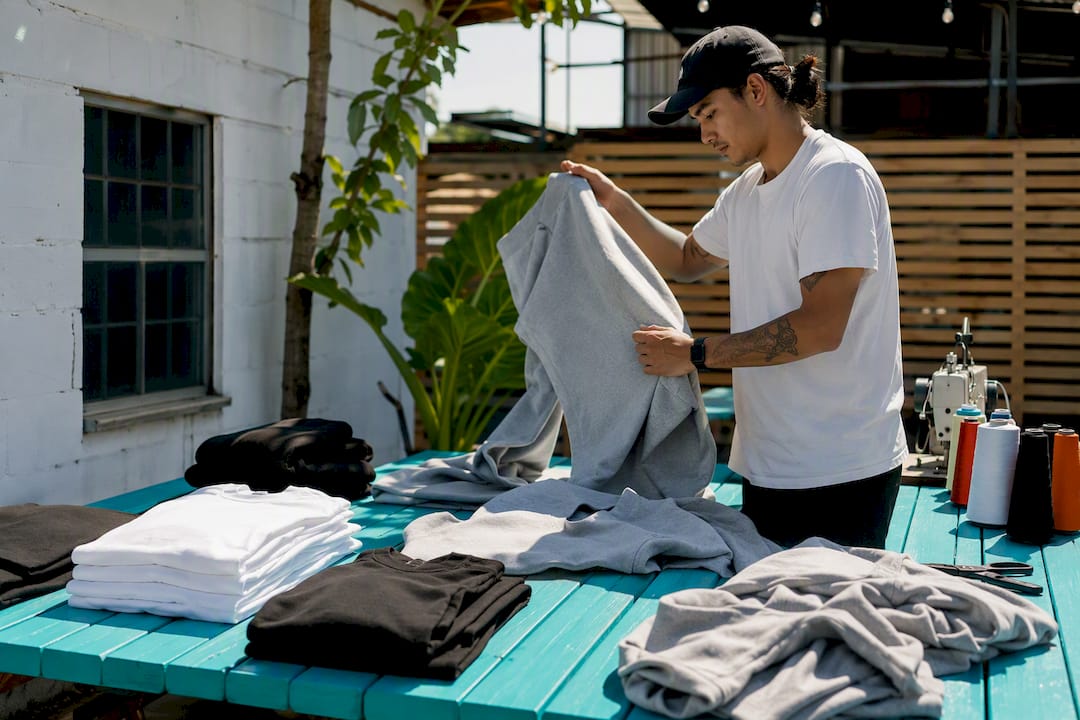
A blank garment is an undecorated, unbranded piece of clothing made to be printed on, embroidered, or resold plain, and it’s the raw material behind almost every custom T-shirt you’ve ever seen. No logo, no label, no design. Just a well-made shirt, hoodie, or polo waiting for someone to put a mark on it.
Common blanks include T-shirts, hoodies, sweatshirts, polos, and hats, and they show up everywhere from garage screen printers to national spirit wear programs. Before you order any, check two things: fabric weight, measured in GSM or ounces, and whether the supplier offers samples.
- Fabric weight (GSM/oz): tells you how heavy, warm, and durable the shirt will feel.
- Sample availability: lets you test print quality and fit before committing to a bulk order.
Key Takeaways
Blank garments give small brands, teams, and printers a fast, low-cost way to test designs before committing to fully custom production.
| Point | Details |
|---|---|
| Know the definition | A blank garment is undecorated, unbranded clothing sold in bulk for later customization. |
| Compare blanks vs. cut-and-sew | Choose blanks for speed and low cost; choose cut-and-sew for full control over fit and trims. |
| Check fabric specs first | Confirm GSM/oz weight, fiber content, and size chart before ordering in bulk. |
| Order and wash samples | Test shrinkage and colorfastness on samples in multiple sizes before approving a full run. |
| Work with an in-house shop | Jam 4 Apparel evaluates fabric hand and stitch quality on blanks before recommending a decoration method. |
Table of Contents
- How Do Blanks Differ From Cut-and-Sew Production?
- What Types of Blank Garments Are Available?
- What Are the Benefits of Using Blank Apparel?
- When Are Blanks Not the Right Choice?
- How Are Blank Garments Customized?
- Where Should You Buy Blank Garments?
- How Does a Print Shop Evaluate Blank Garments?
- What Exactly Counts as a Blank Garment?
- A Note From the Jam 4 Apparel Team
- Need Help Turning Blanks Into Finished Apparel?
- Sources
How Do Blanks Differ From Cut-and-Sew Production?
Blanks are off-the-shelf. Cut-and-sew apparel is built from scratch to a brand’s own pattern, fit, and trims. That single difference drives everything else: cost, speed, and how much control you have over the finished product.
Blanks (off-the-shelf):
- Ship fast, often within days, since the garment already exists in a warehouse.
- Little to no minimum order quantity in many cases.
- No tooling or pattern development costs.
- Fit and fabric are fixed by the manufacturer.
Cut-and-sew (fully custom):
- Longer turnaround because patterns, samples, and production all start from zero.
- Higher minimums, usually because pattern and tooling costs need to be spread across more units.
- Full control over fit, fabric, and trims.
Pick blanks when speed and low startup cost matter most, especially if you’re exploring options from the best T-shirt print on demand suppliers for US retailers. Pick cut-and-sew when you need a fit or fabric nobody else can offer.
What Types of Blank Garments Are Available?
Blank apparel spans more categories than most first-time buyers expect, and the textile industry’s own definition treats it as any bulk-produced, undecorated piece meant to be personalized later.
- T-shirts and tank tops: the most common blank, typically ring-spun or combed cotton, or a cotton-poly blend.
- Hoodies and sweatshirts: heavier fleece construction, usually measured in ounces rather than GSM.
- Polos: pique or jersey knit, popular for corporate and team orders.
- Hats and jackets: structured pieces where fit and panel construction matter more than fabric weight alone.
Fabric weight and fiber content change how a print or stitch sits on the garment, and construction style (fleece versus single jersey) affects warmth and drape. One brand’s medium doesn’t always match another’s, either. A Gildan medium tee and a Bella+Canvas medium tee can fit noticeably differently, which is why checking a size chart before a bulk order matters more than trusting the label.
What Are the Benefits of Using Blank Apparel?
Small brands gravitate toward blanks for reasons that go beyond convenience. Startups in particular lean on blanks to avoid the overhead of building a garment line from nothing.
- Lower upfront cost. No pattern development, no tooling, no minimum production runs tied to factory setup.
- Faster turnaround. Since the garment already exists, decoration is often the only step left before shipping.
- Decoration flexibility. Blanks work with screen printing, DTG, DTF, embroidery, and heat transfer, so you’re not locked into one method.
- Lower-risk testing. You can order a handful of shirts to test a design before committing to hundreds.
Pro Tip: Order a mixed batch of sizes as your first sample run, not just one medium. Fit issues show up differently across sizes, and catching that early saves a much bigger headache on a bulk reorder.
When Are Blanks Not the Right Choice?
Blanks solve a lot of problems, but they can’t solve every one. If your project needs a fit nobody else sells, or a fabric blend no blank supplier stocks, you’re going to run into walls.
- Limited fit control. You’re working within whatever cuts the manufacturer already produces.
- No custom branding built in. Blanks arrive without your labels or trims unless you add a relabeling or private label step.
- Quality varies by supplier. Mass-market blanks aren’t uniform. Some run small, some shrink more than others, and durability differs between manufacturers.
If any of those limitations matter more to your brand than speed or cost, cut-and-sew production is worth the longer lead time.
How Are Blank Garments Customized?
Decoration method depends heavily on the fabric you’re starting with, and matching the two correctly is what separates a print that looks sharp for years from one that cracks after three washes. A neutral, high-quality blank helps colors stay vibrant and keeps fine detail from blurring during production.
- Screen printing: best on cotton and cotton-blend tees, ideal for bold designs and larger orders where color separations keep per-unit costs low.
- Direct-to-garment (DTG): works well on high-cotton-content fabric, suited to detailed, full-color designs in smaller quantities.
- Direct-to-film (DTF): handles poly blends and mixed fabrics that DTG struggles with, and it transfers well onto performance wear.
- Embroidery: best for logos on polos, hats, and jacket chests, where stitch count and thread density affect both cost and how crisp the final logo looks.
- Patches: durable option for uniforms, team jackets, and hats that see heavy wear.
Placement matters too. Side seams, zippers, and pocket flaps all limit where a design can realistically go, so it’s worth confirming placement options with your decorator before finalizing artwork. For a deeper breakdown of which method fits which project, comparing decoration methods side by side helps narrow the choice faster than trial and error.
Where Should You Buy Blank Garments?
Blanks come from wholesale distributors, brand catalogs, and local suppliers, and wholesale blank apparel is generally sold in bulk at distributor pricing built specifically for screen printers, embroiderers, and independent brands, not retail shoppers.
Before placing a bulk order, run through this checklist:
- Sample availability. Can you order one or two pieces before committing to hundreds?
- Size charts and fit notes. Does the brand run true to size, small, or large?
- Fabric composition and weight. Cotton, poly blend, or recycled fiber, and what’s the GSM or ounce weight?
- Shrinkage and wash info. How much does the garment shrink after a standard wash cycle?
- Lead time and MOQ. How fast can they ship, and what’s the smallest order they’ll accept?
- Return policy. What happens if a batch arrives with sizing or quality issues?
- Certifications. If sustainability matters to your brand, look for Fairtrade or similar ethical-sourcing labels.
Pro Tip: Order samples in every size you plan to sell, then wash them before approving the bulk run. A shirt that fits perfectly out of the bag can shrink significantly after one wash cycle, and that’s an expensive lesson to learn after a large bulk order is already printed.
Popular blanks worth sampling as a starting point include the American Apparel 2001 and 2007 tees, along with staples from Bella+Canvas and the Gildan 42400, all common enough that most decorators have printed on them hundreds of times.
How Does a Print Shop Evaluate Blank Garments?
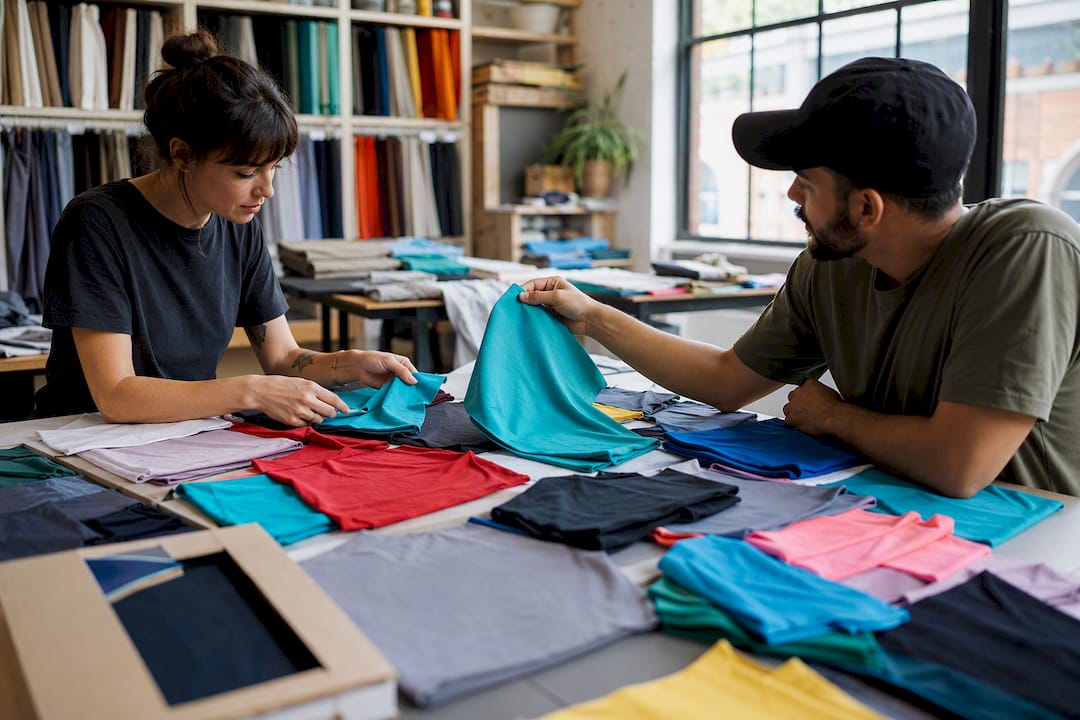
When blanks arrive at a production shop, they go through a quick but specific inspection before anyone loads a screen or hoops a design.
- Fabric hand: does the material feel like what the spec sheet promised, or does it feel thinner and rougher?
- Seam quality: are stitches even, or do side seams pucker under light stretch?
- Label and size accuracy: does a “large” actually match the size chart, or does it run closer to a medium?
- Pre-shrink behavior: has the fabric been treated to resist shrinkage, or will a first wash change the fit?
Inconsistent sizing and uneven stitching are the two most common red flags, and catching them before decoration starts saves reprinting an entire batch later.
Pro Tip: A shop that keeps in-house samples on hand can usually tell you within minutes whether a design will hold up on a given blank, long before your order goes into production.
What Exactly Counts as a Blank Garment?
Strip away the marketing language and the definition is simple: a blank garment is any unbranded, undecorated piece of clothing manufactured in bulk and sold as-is, with no logo, print, or custom label attached. It’s the wholesale layer of the apparel industry, sitting between raw fabric and the finished product a customer eventually wears.
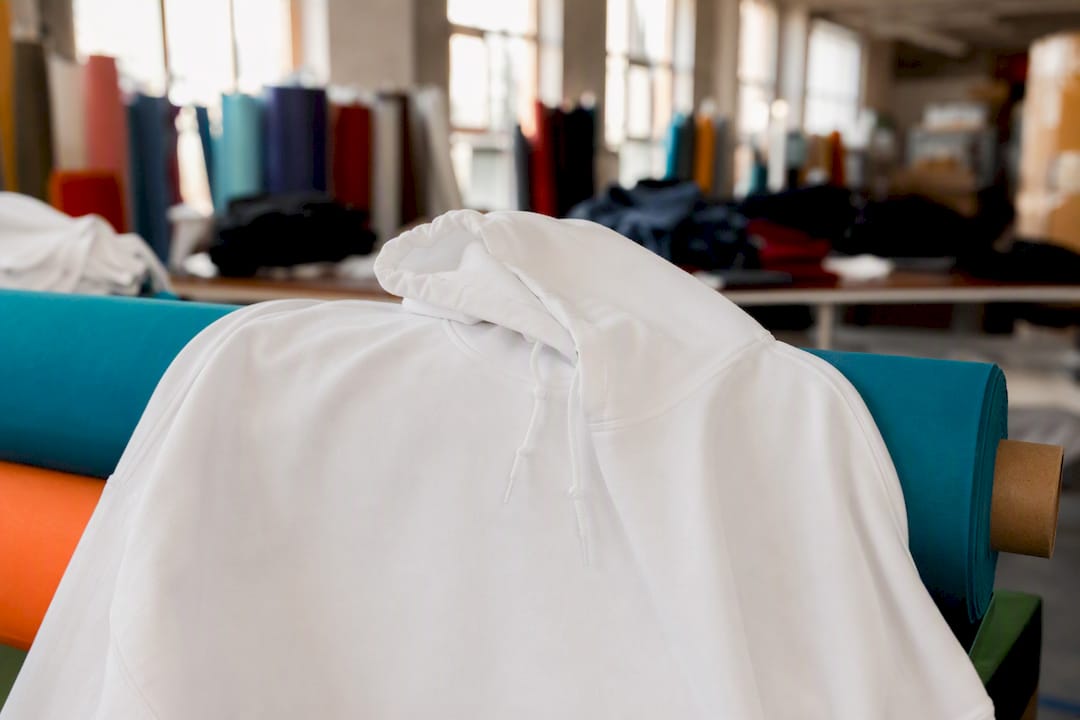
That definition covers a wide range of items. A plain white tee from a wholesale catalog is a blank. So is an unbranded hoodie sitting in a distributor’s warehouse, or a crewneck sweatshirt waiting to be screen printed for a school fundraiser. What ties them together isn’t the garment style. It’s the absence of decoration and the intent behind the sale: these pieces exist specifically to be transformed, whether that’s through a printed logo, an embroidered name, or a heat-transferred design.
The term shows up constantly in the beginner-level explanations that new brand owners and hobbyist printers search for, because it’s genuinely one of the first concepts you need to understand before placing an order. Once you know a blank is just an undecorated garment built for customization, the rest of the buying process (sizing, fabric weight, decoration method) starts to make a lot more sense.
A Note From the Jam 4 Apparel Team
We see the same pattern with most new clients: someone finds a blank they like, but hasn’t seen it printed yet. That’s normal. Request a sample, compare a couple of print methods side by side, and don’t finalize a big order until you’ve held the finished product in your hands.
Need Help Turning Blanks Into Finished Apparel?
Picking the right blank is only half the job. Getting it printed or embroidered well, on time, and without a surprise minimum order is the part that actually determines whether your project looks professional. Jam 4 Apparel runs screen printing, embroidery, and DTF transfers in-house out of Lake in the Hills, Illinois, which means no outsourcing delays and no guessing on turnaround.
Whether you’re outfitting a martial arts academy, launching a small merch line, or setting up a school spirit wear program, we can help you pick the right blank for your decoration method and budget. Browse screen printing options or embroidery services to see what fits your project, or check out solutions by industry if you’re not sure where to start. Ready for the next step? Request a free design proof and a quote through our site, and we’ll help you land on a blank that holds up to your design instead of fighting it.
Sources
- Blank Garment — Textile Glossary | White Cotton
- Wholesale Blank Apparel: Buyer’s Guide | Three Layer
- The Power of Blank Clothing for Branding & Customisation | AWDis
- Fairtrade International
Recommended
Ready to print your design?
Screen print, embroidery, and DTF — no minimums on many styles.