
Promotional Items Clients Actually Keep and Use
August 20, 2026
Promotional Items Clients Actually Keep and Use
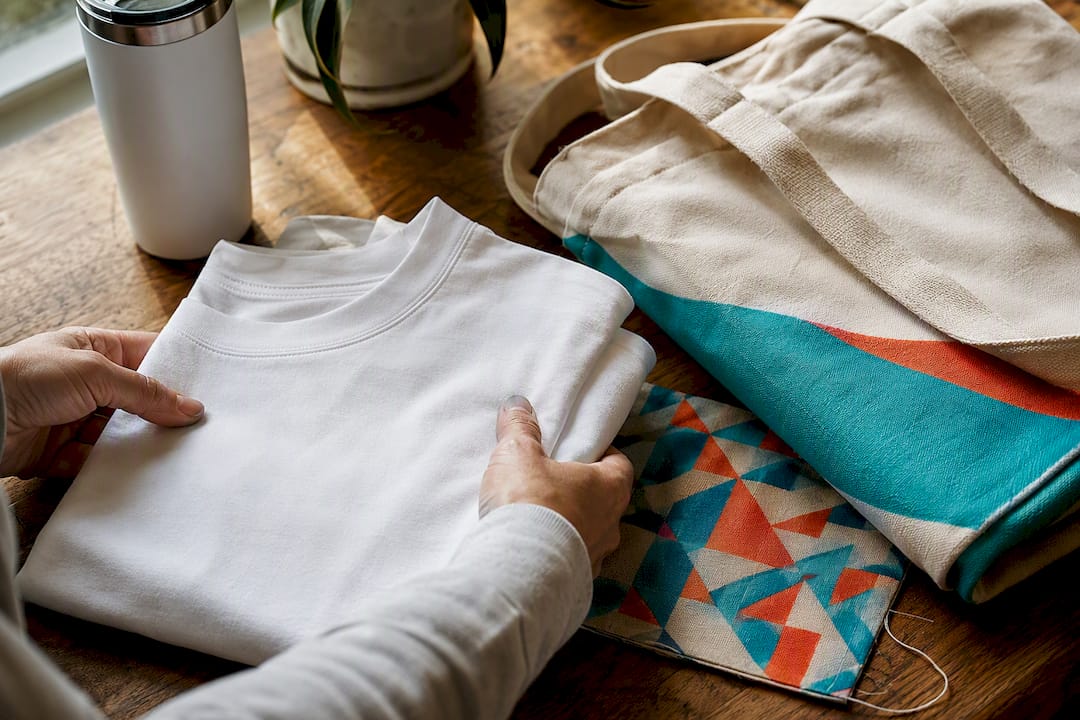
The promotional items clients love most fall into five categories: custom apparel, bags, branded drinkware, tech accessories like power banks, and everyday consumables like notebooks or snacks. What separates a keeper from clutter is simple: frequency of use. An item someone touches daily beats one they admire once and shove in a drawer.
If you’re stocking a swag closet or planning a client gift drop, start here:
- Custom T-shirts and apparel — worn in public, washed, worn again. Repeat impressions for months.
- Tote bags and backpacks — grocery runs, gym trips, commutes. High visibility, low cost per use.
- Branded drinkware — tumblers and bottles get picked up multiple times a day, often at a desk in plain sight of coworkers.
- Power banks and chargers — solve a real problem (a dead phone), which earns them a permanent spot in a bag.
- Notebooks, journals, and useful consumables — cheap enough to hand out at scale, useful enough to stay on a desk.
Pro Tip: If you can only fund one order this quarter, put your budget into custom T-shirts. A 2026 consumer study found 55% of consumers rank shirts as their most wanted promotional item, more than any other category.
Key Takeaways
Clients keep promotional items that solve a daily problem or fit into a routine they already have, which is why apparel, drinkware, and bags consistently outperform novelty giveaways.
| Point | Details |
|---|---|
| Prioritize daily-use items | Apparel, drinkware, and bags earn repeat impressions because people use them regularly. |
| Outerwear delivers the most impressions | Jackets generate about 9,000 lifetime impressions per item, the highest of any category tracked. |
| Decoration quality decides retention | A poorly printed or stitched item gets discarded regardless of the base product’s quality. |
| Match items to distribution channel | Light items suit mailers; bulkier gifts like jackets work better for smaller, high-value lists. |
| Jam4apparel handles production in-house | Screen printing, embroidery, DTF transfers, and patches are produced under one roof for faster turnaround and consistent quality. |
Table of Contents
- Types of Promotional Items Clients Love and Why They Keep Them
- How Do You Choose the Right Promotional Item for Your Clients?
- Design and Decoration Choices That Increase Keep Rate
- Which Items Work Best for Each Distribution Channel?
- What Eco-Friendly Promotional Options Should You Consider?
- What Promotional Item Trends Should You Watch This Year?
- How a Production Partner Simplifies Ordering Promotional Items
- Get Promotional Items Your Clients Will Actually Keep
- Sources
Types of Promotional Items Clients Love and Why They Keep Them
Not every giveaway earns a permanent spot in someone’s closet or car. The items that survive the first cleanout share a pattern: they’re either genuinely useful, comfortable to wear, or good-looking enough that the recipient doesn’t mind being a walking billboard. Here’s how the top categories stack up.
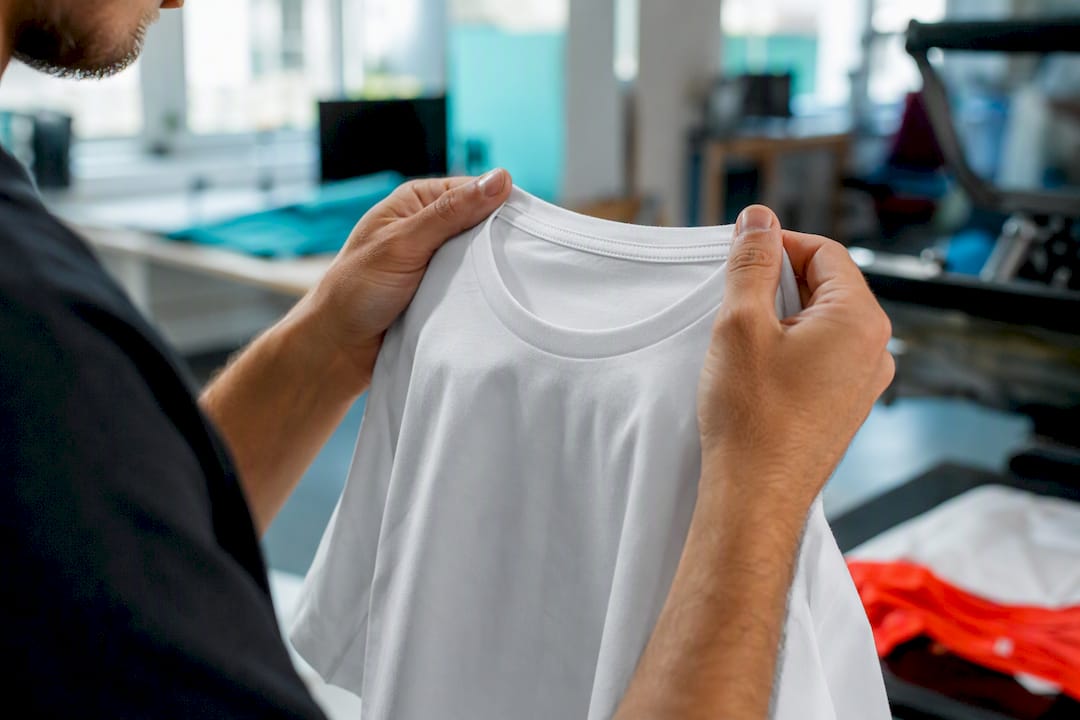
Custom T-shirts and apparel. Shirts remain the single most-wanted promotional item, preferred by 55% of consumers according to the 2026 consumer preference study. A single T-shirt generates roughly 3,500 lifetime impressions, per ASI’s 2026 impressions study. Expect $6 to $12 per unit at bulk order sizes, higher for premium blends. Best used at events, team stores, and new-hire kits. The catch: cheap fabric or a cracked print turns a shirt into a rag within a few washes, so material and decoration quality matter more here than almost anywhere else.
Jackets and outerwear. This is the sleeper category most marketers underfund. Fleece jackets and other outerwear deliver the highest lifetime impressions per item among the products ASI tracked, and over half of consumers say they want one. Outerwear costs more upfront, often $25 to $60 per piece, but the cost-per-impression math works heavily in its favor since people wear a good jacket for years. Reserve these for VIP clients, top performers, or leadership gifts rather than mass handouts.
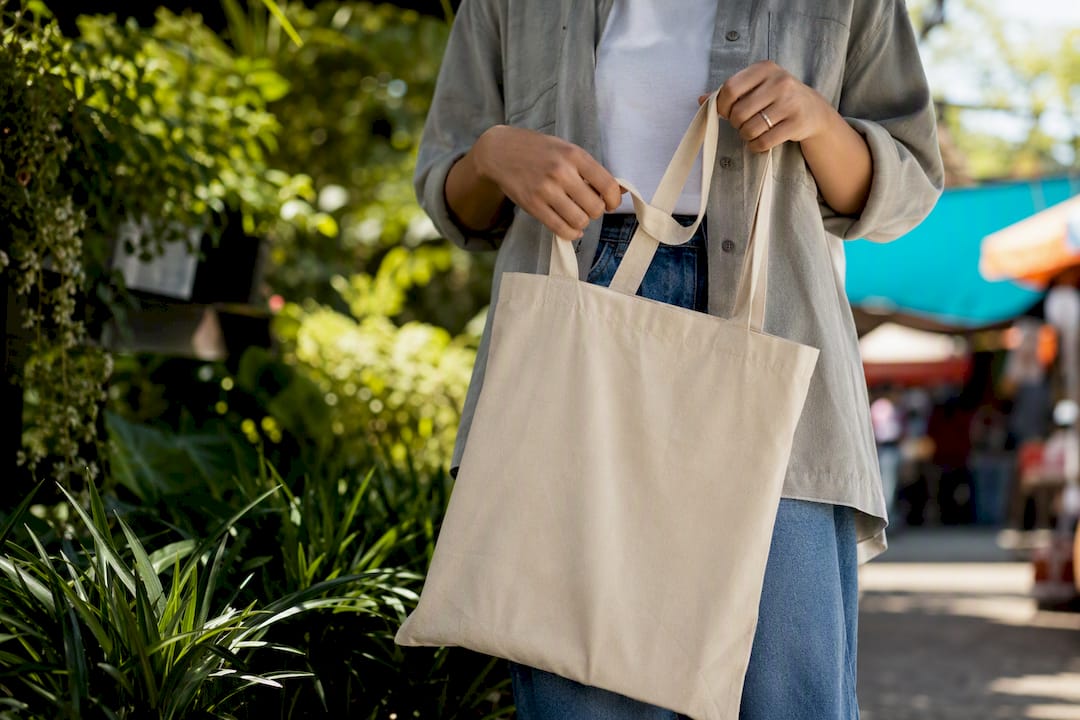
Tote bags and backpacks. Bags have substantial lifetime impressions and significant consumer preference. They’re practical, foldable for shipping, and cheap to produce at scale, often $3 to $10 depending on material. Canvas totes work for retail and trade shows; structured backpacks suit conference swag or employee onboarding. The downside is limited print area if you want subtlety instead of a giant logo across the front.
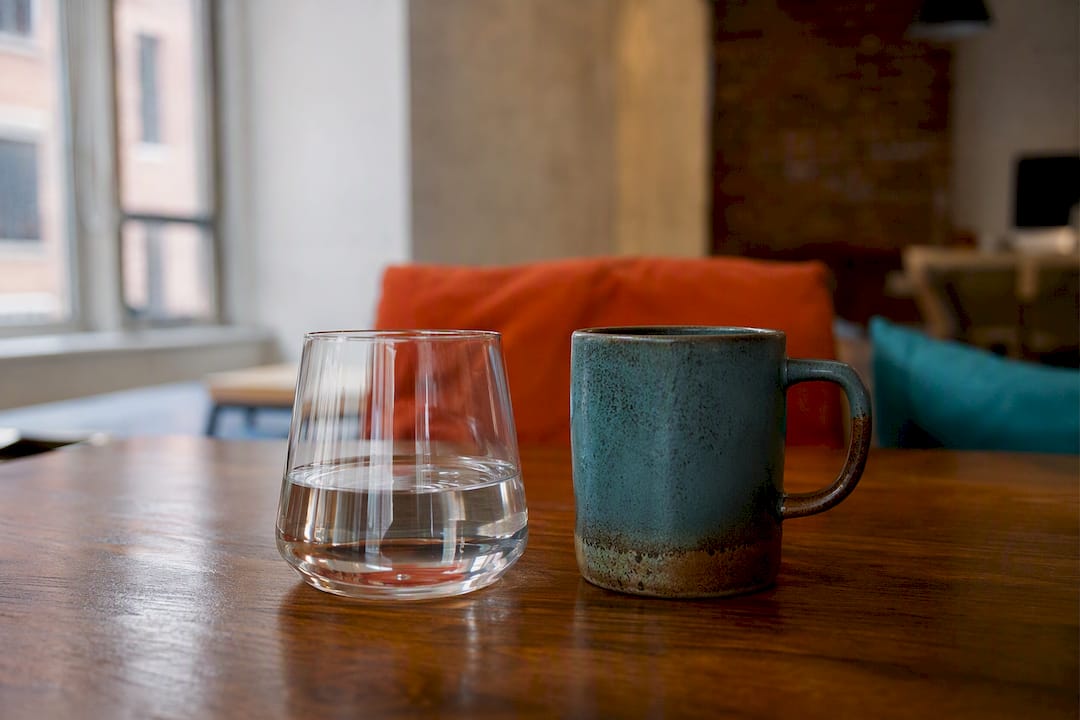
Branded drinkware. Tumblers, bottles, and mugs post strong daily-use numbers. One industry report found that 73% of consumers use a branded bottle or tumbler daily and 70% say a well-designed piece improves how they feel about the brand behind it, per Promotionproducts. Price ranges from $5 for a basic bottle to $30+ for insulated stainless steel with laser engraving. If your client base skews toward higher-end gifting, a partner like Whiteout Tequila Glassware shows how premium etched glassware can elevate a corporate gift beyond the standard tumbler.
Writing instruments. Pens are unglamorous but cheap and durable, generating around 1,900 impressions per item. At $0.50 to $2 per unit, they’re the easiest line item to justify for mailers or trade-show bowls. They rarely become a keepsake on their own, but they’re an efficient filler for larger gift bundles.
Expect $2 to $8 depending on cover material and page count. Best distributed at conferences, onboarding kits, or client meetings where note-taking is expected anyway.
Power banks and phone chargers. Nothing earns gratitude like solving a dead-battery emergency. These run $8 to $25 depending on capacity and cost more to ship due to lithium battery regulations, so factor that into your logistics budget. Business confirms utility items like chargers consistently outperform novelty gifts because people reach for them under real pressure, not just curiosity.
Stickers and decals. Practically free to produce ($0.10 to $0.50 each) and useful for laptop lids, water bottles, and car windows. Low individual impact, but they’re an efficient add-on for mailers or a bowl at the checkout counter.
They’re consumable rather than long-lasting, but the immediate goodwill is real, and a well-packaged snack box or coffee gift often gets shared with coworkers, extending reach. Moustache Coffee Club’s guide to corporate coffee gifting is worth a look if you want an edible option with more polish than a bag of chips.
Embroidered hats and patches. Hats generate around 4,000 impressions and hold up better than screen-printed apparel over time since embroidery doesn’t crack or fade the way ink can. Custom patches add a premium, collectible feel, popular with sports teams, martial arts academies, and spirit wear programs where kids and parents actually want to display achievement.
How Do You Choose the Right Promotional Item for Your Clients?
Start with who’s actually receiving the item. A power bank makes sense for a trade-show crowd of traveling professionals; it’s dead weight at a kids’ sports banquet where a T-shirt or patch would land better. Match the item to how, where, and how often your audience will realistically use it.
Run every option through this checklist before you commit budget:
- Frequency of use. Will this get touched daily, weekly, or once?
- Impressions potential. Does it travel in public (apparel, bags) or sit in a drawer (some tech accessories)?
- Budget per unit. Factor in decoration cost, not just the blank item price.
- Storage and shipping. Bulky or fragile items (glass mugs, jackets) cost more to move and store.
- Seasonal fit. A fleece jacket in July is a harder sell than one in October.
- Sustainability expectations. Some clients specifically request recycled or reusable materials.
- Brand positioning. Premium clients expect premium materials, not the cheapest bulk option available.
Before placing a bulk order, ask any supplier these questions: What’s the minimum order quantity? What decoration methods do you offer in-house versus outsource? Can I get a physical sample before committing? What’s the actual lead time, not the marketing lead time? And how does the mockup and proofing process work?
Red flags worth walking away from: a supplier who won’t provide a sample, vague answers about decoration methods, or no clear cancellation policy if the proof comes back wrong.
Design and Decoration Choices That Increase Keep Rate
The base product matters less than most marketers assume. A great T-shirt with a cracked, peeling logo gets tossed just as fast as a cheap one. Decoration quality is what separates an item someone wears for years from one that hits the donation pile after a single wash.
Match the decoration method to the item and the look you want:
- Screen printing works best for large, bold logos on cotton apparel at higher volumes.
- Embroidery holds up longer on hats, polos, and jackets, and reads as more premium than print.
- DTF (direct-to-film) transfers handle detailed, multi-color designs on apparel without the setup cost of traditional screens.
- Dye-sublimation produces full-color, edge-to-edge graphics on mugs and technical fabrics.
- Deep etch gives glassware and metal drinkware a permanent, scratch-resistant mark instead of a sticker that peels.
For logo placement, apparel generally works best with a smaller, chest-level logo rather than a giant across-the-back print, while drinkware and bags can support bigger, bolder branding since the surface area is more forgiving.
Pro Tip: Always order a physical sample and run it through a real wash cycle or daily-use test before locking in a bulk order. Decoration that looks perfect on a screen can crack, fade, or peel after three washes, and you won’t know until it’s already on 500 shirts.
Which Items Work Best for Each Distribution Channel?
The item that wins at a trade show often flops as a mailer, and vice versa. Weight, fragility, and packaging costs shape what actually makes sense to ship versus hand out in person.
| Channel | Best item types | Shipping notes |
|---|---|---|
| Trade shows / events | T-shirts, tote bags, stickers | Light, easy to hand-carry in bulk |
| Mailed client gifts | Notebooks, drinkware, food gifts | Watch dimensional weight and fragile packaging for glass |
| Retail counter | Stickers, pens, small snacks | Cheap, low-commitment grab items |
| Employee welcome kits | Jackets, embroidered hats, power banks | Higher value, worth the extra shipping cost |
Bulkier items like jackets and glass drinkware cost more to box and ship, so reserve them for smaller, higher-value distribution lists rather than mass mailers. Kitting multiple items together, like a notebook, pen, and mug in one branded box, adds perceived value without multiplying shipping runs.
What Eco-Friendly Promotional Options Should You Consider?
Sustainability requests are becoming a standard line item in client briefs, not a nice extra. The good news: eco-friendly doesn’t have to mean a weaker impression.
Reliable high-utility options include recycled-material tote bags, stainless steel drinkware built to last years instead of months, compostable mailer packaging, refillable hand sanitizer bottles, and reusable silicone food bags that replace single-use plastic.
When vetting suppliers, ask for specifics rather than a vague “eco-friendly” label. Look for GOTS certification on organic cotton, GRS certification for recycled content, actual recycled-content percentages, BPA-free confirmation on plastics, and FSC certification on paper goods like notebooks. These sustainable items sometimes cost slightly more and carry longer lead times, so build that into your timeline. Mention the material story on your card or packaging insert. Recipients notice, and it reinforces the brand impression you’re paying for.
What Promotional Item Trends Should You Watch This Year?
A few shifts are reshaping what clients expect to receive, and they line up with the data on what people actually keep.
- Premium outerwear is having a moment. With jackets generating roughly 9,000 lifetime impressions per item, more budgets are shifting from mass-produced shirts to fewer, higher-quality outerwear pieces for top clients.
- Personalization beats generic branding. Adding a name, team number, or department tag turns a giveaway into a keepsake, per Totally Promotional’s 2026 findings.
- Tech accessories signal thoughtfulness. Power banks and chargers solve real problems, which is why they consistently outperform novelty items in retention.
- Experiential kitted gifts are growing. Bundling a mug, notebook, and snack in one branded box feels more like a gift and less like swag.
- Sustainability now drives purchase decisions, not just brand perception, especially among younger client demographics.
How a Production Partner Simplifies Ordering Promotional Items
Picking the right item is only half the job. Getting consistent, durable decoration across a full order, on time, is where most promotional campaigns actually fall apart. In-house control over screen printing, embroidery, DTF transfers, and custom patches means quality doesn’t drift between run one and run five hundred, and a missed deadline doesn’t leave you scrambling before a launch or event.
This matters most when you’re on a tight timeline, running an apparel-heavy campaign, or need trade-show shirts designed and produced without juggling three separate vendors for printing, embroidery, and fulfillment.
Before placing a large order anywhere, take these steps:
- Request a physical sample of the exact decoration method you’re considering.
- Ask for a mockup proof before production starts, not after.
- Confirm minimum order quantities up front so you’re not overbuying to hit a price break.
- Review kitting and delivery options if you’re shipping to multiple locations.
Pro Tip: Order your sample at least three weeks before your event date. That buffer gives you time to catch a decoration issue and reorder without missing your deadline.
A Note From the Shop Floor
Every apparel order I’ve watched succeed shares one thing: the client ordered a sample before committing to hundreds of pieces. It sounds obvious, but skipping that step is the single most common reason a promotional order disappoints. Small businesses and school programs that start with a modest test run consistently end up happier with their final bulk order than those who go straight to production on a guess. If you take one thing from this, let it be that.
Get Promotional Items Your Clients Will Actually Keep
Jam4apparel runs its own screen printing, embroidery, DTF transfer, and custom patch production in-house in Lake in the Hills, Illinois, which means the quality control and turnaround speed on your order isn’t outsourced to a third party you’ve never met.
Whether you’re outfitting a spirit wear store, ordering team apparel for a tournament, or building a client gift kit around a jacket and a branded tumbler, Jam4apparel handles the decoration decisions covered above, matching print method to fabric, checking placement, and proofing designs before anything goes into production. Every order starts with a free design proof so you see exactly what you’re getting before it’s printed. If your team needs custom screen printing on bulk T-shirts or embroidered hats and polos for a more premium gift, request a quote today and get a real timeline instead of a guess.
Sources
- Counselor State of the Industry 2026: Top Promotional Products Categories
- What the 2026 consumer study says about promo products | Totally Inspired
- What Are the Most Effective Promotional Products in 2026? Backed by Real Consumer Data
- Most Popular Giveaway Items for Customers
Recommended
Ready to print your design?
Screen print, embroidery, and DTF — no minimums on many styles.