Organization Branded Volunteer Shirts: 2026 Nonprofit Guide
June 12, 2026
Organization Branded Volunteer Shirts: 2026 Nonprofit Guide
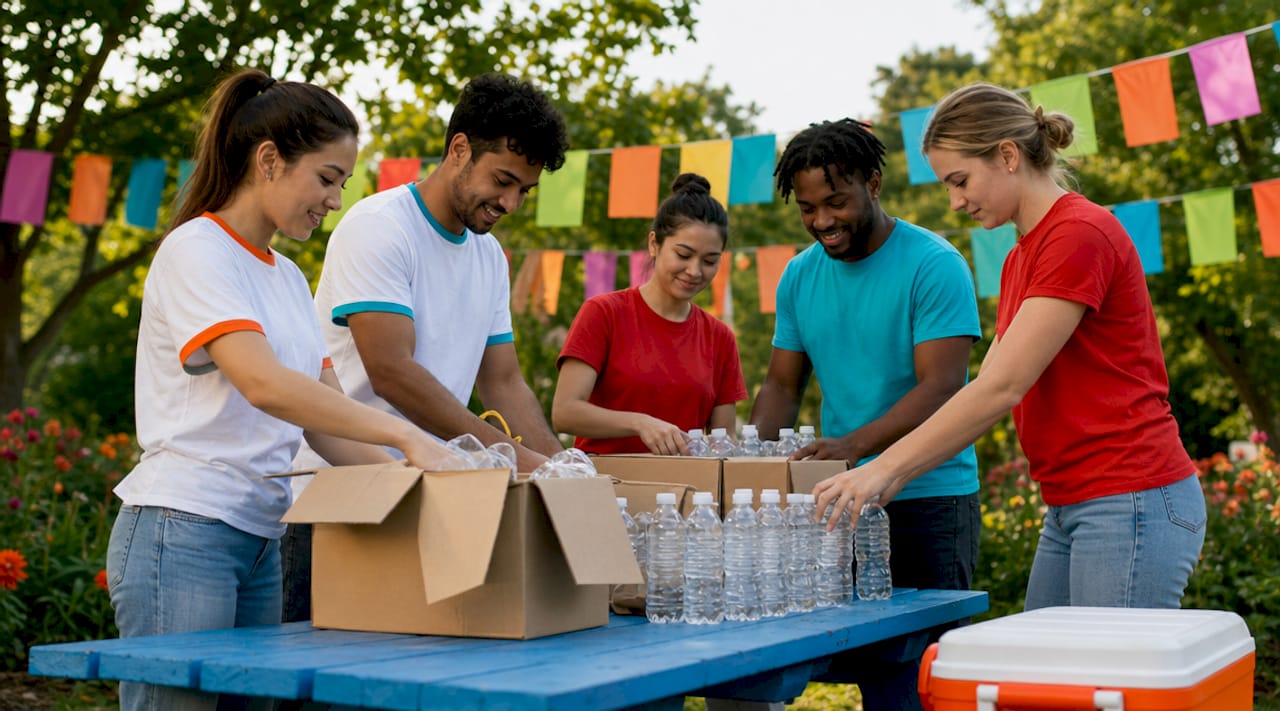
Organization branded volunteer shirts are custom-decorated apparel designed to unify volunteer teams and visibly promote a nonprofit’s mission at events, outreach programs, and community drives. The right shirt does two jobs at once: it identifies your team on the ground and turns every volunteer into a walking advertisement for your cause. Nonprofits that invest in well-designed, properly ordered custom volunteer apparel see stronger team cohesion, better public recognition, and more professional event presence. This guide covers every decision you need to make, from fabric choice to print method to budget, so your next order delivers real results.
1. Organization branded volunteer shirts: what they are and why they matter
Organization branded volunteer shirts are the standard industry term for what apparel decorators call custom promotional team wear. These are not generic giveaway tees. They are purpose-built garments that carry your logo, mission colors, and sometimes a campaign message or event date. Branded shirts serve as functional walking billboards, increasing public awareness while building internal team identity. For a nonprofit coordinating 50 volunteers at a food drive, that visual uniformity signals credibility and trust to every person who walks through the door.
2. Top apparel types for custom volunteer shirts
Choosing the right garment is the first decision that affects everything else, including print quality, volunteer comfort, and total cost.
- Basic cotton t-shirts: The most affordable and versatile option. Gildan and Hanes styles in 100% cotton or cotton-poly blends start under $10 per unit and accept screen printing beautifully. They work for indoor events, casual outreach, and large-scale volunteer drives where budget is tight.
- Ring-spun cotton tees: Ring-spun cotton shirts offer superior print quality because the tighter weave holds ink more precisely. Expect to pay a dollar or two more per shirt, but the design detail payoff is worth it for organizations that want sharp logo reproduction.
- Moisture-wicking polos: Moisture-wicking polyester is the right call for outdoor events, park cleanups, or any physically active volunteer role. These fabrics pull sweat away and dry quickly, keeping volunteers comfortable through long shifts. Polos also read as more professional, which matters for donor-facing events.
- Long-sleeve tees and hoodies: Seasonal needs are real. A fall fundraising walk or a winter coat drive calls for layering options. Hoodies double as fundraising merchandise and volunteer recognition gifts.
- Tank tops and performance shirts: Useful for summer events like 5K runs or outdoor festivals where heat is a factor.
Pro Tip: Order a sample garment before committing to your full run. Fabric weight, collar style, and fit vary significantly between brands, and a shirt that looks great in a product photo may not represent your organization the way you intend.
3. How to design nonprofit branded shirts for maximum impact
Design is where most nonprofits either win or lose on visibility. A cluttered shirt with three fonts and a low-contrast color scheme does nothing for your cause.
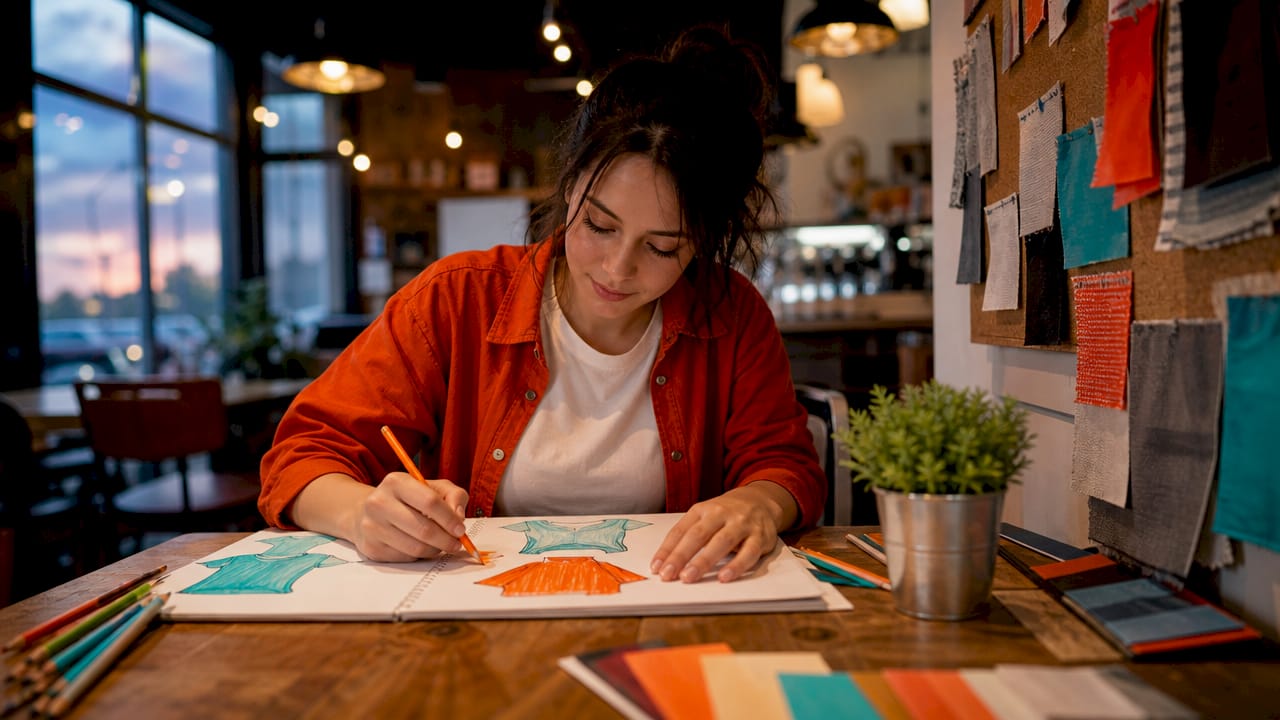
The foundation of any strong volunteer t-shirt design is a bold, mission-aligned color palette. Your shirt color should either match your organization’s brand colors or contrast sharply enough with your logo that the design reads from 20 feet away. Clear typography and mission-aligned palettes communicate effectively because they reduce visual noise and let the message land instantly.
Logo placement follows a simple hierarchy. Front left chest placement is the standard for professional credibility. Full back prints work well for event-specific shirts where you want maximum visibility from behind. Sleeve prints add a secondary detail like a website URL or event year without crowding the main design.
- Keep text minimal: Your organization name, a one-line mission statement or slogan, and a website URL are enough. Volunteers are not billboards for a novel.
- Use vector artwork: Send your printer a vector file (.AI or .EPS) rather than a JPEG. Vector files scale without losing quality, which matters for both small chest logos and large back prints.
- Limit colors in your print: Each additional ink color in screen printing adds cost. Two or three colors in a well-executed design outperform a six-color design that blows your budget.
- Include event-specific details sparingly: An event date or year makes a shirt feel commemorative, but it also makes the shirt obsolete after the event. Consider whether you want a shirt that volunteers will wear for years or one tied to a single campaign.
Pro Tip: If your organization lacks an in-house designer, platforms like DFY Design offer design support specifically for custom apparel, which can save you hours of back-and-forth with a print shop.
4. Bulk vs. on-demand printing for nonprofit apparel orders
The ordering strategy you choose affects your cost per unit, your inventory risk, and how quickly volunteers get their shirts.
| Factor | Bulk ordering | On-demand printing |
|---|---|---|
| Cost per unit | Lower (volume discounts from ~12 pieces) | Higher per unit |
| Minimum order | Typically 12+ pieces | Zero minimums available |
| Inventory risk | High (unsold or wrong-size stock) | None |
| Turnaround time | 5-10 business days for production | 7-10 business days typical delivery |
| Best for | Single events, large teams, known sizes | Dispersed volunteers, ongoing recruitment |
Bulk ordering through a local screen printer like Jam4apparel gives you the lowest cost per shirt and the tightest quality control, especially when you need 50 or more identical shirts for a single event. On-demand printing solves a different problem: it lets nonprofits with geographically dispersed volunteers or year-round recruitment cycles fulfill apparel needs without upfront inventory or waste. Some platforms let you set up a storefront where volunteers order their own sizes directly, which eliminates the size-guessing problem entirely.
5. Seven volunteer shirt ideas nonprofits can use right now
Classic logo tee with event date
The most common format for a reason. Your organization logo on the front chest, event name and date on the back. Clean, recognizable, and easy to produce at scale. Add a sponsor logo strip along the bottom back hem if you have event partners to acknowledge.
Performance polo with embroidered team name
Embroidered polos signal professionalism at donor events, hospital volunteer programs, and corporate partnership days. Volunteer shirts customized with names, roles, or department numbers build personal connection and make volunteers easier to identify. A habitat build crew wearing embroidered polos with “Site Supervisor” or “Team Lead” reads very differently than a plain cotton tee.
Full-color mission artwork shirt
Use direct-to-film (DTF) printing or full-color screen printing to run a bold graphic that tells your story visually. An environmental nonprofit might use a full-back illustration of a local watershed. A literacy organization might run a typographic design built from words that define their mission. These shirts become keepsakes that volunteers wear long after the event.
Color-coded shirts by team function
Assign different shirt colors to different volunteer roles: blue for registration, yellow for logistics, red for medical or safety. This system speeds up event coordination and reduces the need for lanyards or badges. It also creates a visually dynamic event floor that looks organized and intentional to attendees.
Personalized name and role shirts
Adding a volunteer’s first name and role to their shirt costs a small amount more per unit but delivers a significant morale return. Personalization enhances team unity and recognition at events, making volunteers feel like named members of a team rather than anonymous participants.
Vintage or distressed-look shirts for cultural causes
Heritage organizations, historical preservation groups, and arts nonprofits often benefit from a softer, worn-in aesthetic. Discharge printing or water-based inks on a tri-blend fabric (cotton, polyester, rayon) produce that faded, vintage look without sacrificing print quality. These shirts also tend to get worn outside of volunteer events, extending your brand’s reach.
Seasonal merch: hoodies and hats as volunteer gifts
“The best volunteer shirt program treats apparel as both a uniform and a thank-you. When volunteers receive a quality hoodie or a well-made hat, they wear it everywhere. That is free advertising with an emotional attachment your cause earned.”
Hoodies and structured hats work as fundraising merchandise and volunteer appreciation gifts. They carry higher perceived value than a basic tee, which makes them effective for donor thank-you packages or end-of-year volunteer recognition programs.
6. Budgeting for custom nonprofit volunteer shirts in 2026
Pricing for custom volunteer apparel follows a straightforward structure once you understand the variables.
| Item type | Starting price | Notes |
|---|---|---|
| Basic cotton t-shirt | $9.50 per unit | Screen print, 1-2 colors |
| Performance polo | $29.50 to $33.50 | Embroidery or DTF |
| Hoodie | $18-$28 per unit | Varies by weight and brand |
| Structured hat | $12-$20 per unit | Embroidery standard |
Volume discounts start at around 12 pieces, which means even small nonprofits can access better pricing without committing to hundreds of units. The cost per shirt drops meaningfully as you move from 12 to 24 to 48 pieces, so consolidating orders across departments or events pays off.
Fabric and decoration method drive the biggest cost differences. A two-color screen print on a basic tee is the most cost-efficient option. Embroidery on a polo adds a setup fee (typically $10-$25 for digitizing) but produces a premium result that lasts longer than most prints. DTF transfers sit in the middle: no minimums, full color, and no screen setup fees, making them ideal for small runs with complex artwork.
Pro Tip: Ask your apparel provider about nonprofit pricing. Many print shops, including Jam4apparel, offer adjusted rates or waived setup fees for registered 501©(3) organizations. It never hurts to ask, and the savings on a 100-shirt order can be significant.
Key takeaways
Organization branded volunteer shirts deliver the most value when design clarity, fabric choice, and ordering method are aligned with your event type and budget.
| Point | Details |
|---|---|
| Fabric choice drives comfort and cost | Match fabric type to volunteer activity: cotton for casual events, moisture-wicking for outdoor or active roles. |
| Design simplicity increases visibility | Limit print colors to two or three and prioritize bold logos over complex artwork for maximum recognition. |
| Bulk orders cut cost per unit | Volume discounts start at 12 pieces, making even small nonprofit orders eligible for better pricing. |
| On-demand printing removes inventory risk | Use no-minimum DTF or print-on-demand services for dispersed teams or ongoing volunteer recruitment. |
| Personalization boosts volunteer morale | Adding names and roles to shirts builds team identity and makes volunteers feel recognized and valued. |
Why volunteer shirts are worth more than most nonprofits realize
I have worked with dozens of nonprofits on apparel orders, and the pattern I see most often is organizations treating volunteer shirts as an afterthought. They order the cheapest option two weeks before an event, skip the design review, and end up with shirts that volunteers wear once and forget. That is a missed opportunity on multiple levels.
The organizations that get this right treat their custom volunteer apparel as a brand investment, not a supply cost. They involve volunteers in the color selection process. They print a design that means something, not just a logo slapped on a chest. And they think about the shirt’s life beyond the event. A well-made hoodie with a strong design gets worn to the grocery store, to school pickup, to the gym. Every wear is an impression your cause did not have to pay for.
The shift toward on-demand printing has also changed what is possible for smaller nonprofits. You no longer need to commit to 144 shirts to get a professional result. A 12-piece order of quality tees with a sharp two-color print is achievable at a price point that fits almost any community group budget. The barrier to looking professional has dropped significantly, and there is no excuse for showing up to an event in mismatched, unbranded shirts anymore.
My honest advice: involve your volunteers in the design conversation early. Ask them what they would actually wear outside of volunteer hours. The answer will tell you more about what to order than any trend report.
— Adam
Get your nonprofit’s volunteer shirts done right with Jam4apparel
Jam4apparel specializes in custom screen printing and embroidery for nonprofits, community groups, and volunteer teams throughout the Chicagoland area. Whether you need 12 shirts for a neighborhood cleanup or 500 polos for a regional fundraising event, Jam4apparel handles the full process in-house, from design review to production to delivery. Services include bulk screen printing, no-minimum DTF printing, and professional embroidery on tees, polos, hoodies, and hats. Fast turnaround times and competitive nonprofit pricing make Jam4apparel the practical choice for organizations that need quality branded outreach clothing without the hassle.
FAQ
What are organization branded volunteer shirts?
Organization branded volunteer shirts are custom-decorated garments, typically t-shirts or polos, printed or embroidered with a nonprofit’s logo, colors, and mission messaging to unify volunteers and promote the cause at events.
How much do custom nonprofit volunteer shirts cost?
Basic custom t-shirts start at around $9.50 per unit for screen-printed designs, while performance polos with embroidery range from $29.50 to $33.50. Volume discounts typically begin at 12 pieces.
What is the best printing method for volunteer t-shirt designs?
Screen printing is the most cost-efficient method for orders of 12 or more pieces with simple designs. DTF (Direct-to-Film) printing works best for small runs or full-color artwork with no minimum order requirement.
Where to buy volunteer shirts for a nonprofit?
Local custom apparel companies like Jam4apparel offer in-house screen printing, embroidery, and DTF services with fast turnaround and nonprofit-friendly pricing. Online print-on-demand platforms are an alternative for dispersed teams that need volunteers to order their own sizes.
Should volunteer shirts include names or just the organization logo?
Adding volunteer names and roles to shirts increases personal connection and team recognition at events. For large events with multiple volunteer functions, color-coded shirts by role can improve coordination and make the event floor easier to manage.
Recommended
Ready to print your design?
Screen print, embroidery, and DTF — no minimums on many styles.