
Martial Arts Apparel for Dojos, Test a Sample Before You Order 50
September 3, 2026
Martial Arts Apparel for Dojos, Test a Sample Before You Order 50
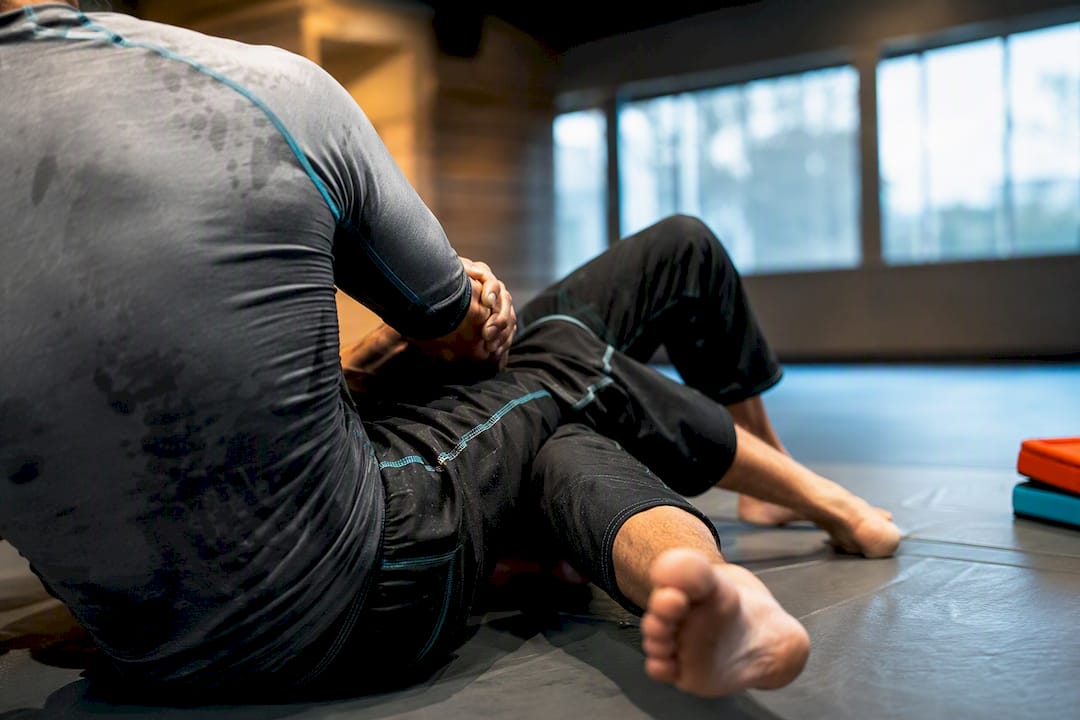
The fastest way to turn martial arts apparel ideas into shirts your team actually wears is to pick three staples: a training tee, a walkout hoodie, and one discipline-specific piece like a rash guard, then choose one unifying theme (belt color, mascot, or crest) and order a sample before committing to a full run. Get that proof in hand, check the fit and print quality, then scale up.
TL;DR:
- Ordering a small sample in both size and decoration method allows for evaluating fit, print durability, and color accuracy before committing to larger quantities.
- Performance tees and rash guards should be selected based on training intensity, with moisture-wicking fabrics for sweat-heavy disciplines and stretch materials for grappling.
- Traditional designs like crest patches or belt-color progression shirts enhance discipline identity and retention, especially when tied to promotion milestones.
- Embroidery on polos and jackets lasts longer through washing, making it ideal for instructor or ceremonial apparel, while screen printing suits volume, single-color designs.
- Durability depends on fabric weight and printing method; avoid low-cost fabrics that fade or crack quickly by testing samples in the final chosen style.
Table of Contents
- Martial Arts Apparel Ideas Your Team Will Actually Wear
- Which Apparel Types Fit Which Use
- Materials and Printing Methods That Survive the Mat
- Layout and Artwork Rules That Keep Designs Legible
- Ordering, Budgeting, and Lead Times
- How Jam4apparel Supports Martial Arts Academies
- What Actually Matters When You Design for a Dojo
- Get a Sample Before You Commit to a Full Run
- Sources
Martial Arts Apparel Ideas Your Team Will Actually Wear
Good design ideas for a dojo or gym come from identity, not decoration. The strongest concepts tie back to rank, discipline, or a shared inside joke the team already has.
- Logo tee with academy crest. A clean chest logo on a performance tee works for daily class wear. Screen printing handles single or two-color crests cheaply at volume.
- Belt-color progression shirts. Print the shirt in the student’s current belt color, or add a stripe that updates at each promotion. Schools use this as a built-in reward system, and it’s one of the most common tools for retention academies rely on.
- Competition walkout hoodie. A heavier hoodie with a bold back print for tournament entrances. DTF or screen print on a full back panel gives the most visual punch.
- Minimalist calligraphy design. A single kanji, hiragana, or stylized word (discipline, virtue, dojo name) centered on a plain tee. Works well in embroidery for a subtler look.
- Mascot and number combo. Great for youth programs; kids like having “their number.” Works on tees and on team hoodies alike.
- Anniversary or limited-edition run. Mark a school’s 5th or 10th year with a one-time design nobody can reorder. Scarcity drives sales at events.
- Instructor premium polo. Embroidered polos separate coaching staff visually from students without looking like a uniform.
- Retro distressed logo. A cracked, worn-look print on a soft cotton-blend tee for casual spirit wear, not training.
- Crest or patch design. A woven patch on a gi lapel or jacket chest adds a traditional touch that print alone can’t match.
- Hybrid streetwear line. Oversized tees, joggers, or crewnecks with subtle branding, aimed at students who want to wear the brand outside class.
- Family or “dojo dad/mom” shirts. Parent and sibling designs build community beyond the student roster.
- Discipline-specific rash guard art. Bold sublimated graphics on grappling rash guards, since the whole surface is printable.
- Motivational slogan back print. Short phrases tied to the school’s philosophy, printed large on the back for group photos.
- Team travel jacket. A lightweight jacket with embroidered name and school logo for tournament travel days.
Which Apparel Types Fit Which Use
Not every idea belongs on every garment. Match the piece to the moment.
- Training staples: performance tees and rash guards handle sweat and grappling friction; instructors advise beginners to stick with simple, moisture-wicking athletic wear and skip jewelry or anything that can snag.
- Casual spirit wear: cotton-blend tees, hoodies, and hats sell well at events and don’t need to survive mat time.
- Competition and travel: jackets and polos give a team a unified look at tournaments and add visibility in a crowded venue.
- Instructor and ceremonial pieces: embroidered polos or premium jackets signal rank and experience without a single word of text.
Fit varies more in martial arts than most sports since kids, adults, and larger-bodied grapplers all train side by side, so order a size run before locking in quantities.
Pro Tip: Order one youth and one adult sample size even for an “adult only” program. Parents watching class will ask about kid sizes within the first month.
Materials and Printing Methods That Survive the Mat
Fabric choice decides whether a shirt lasts one wash cycle or two seasons of training.
- Polyester performance blends wick moisture and suit intense training, while cotton blends work better for casual, low-sweat spirit wear; fabric choice should follow discipline and training frequency, not just style preference.
- Poly-spandex blends for rash guards, since grappling demands stretch and abrasion resistance.
- Screen printing is cheapest at volume and holds up well on flat cotton or cotton-blend garments.
- Embroidery costs more per piece but survives washing far longer, making it the right call for polos and jackets.
- DTF (direct-to-film) transfers handle full-color, detailed art on performance fabric that screen printing struggles with.
Mid-tier fabric weights, roughly 450 to 550 GSM for gis and quality performance fabric for tees, balance cost against durability for garments worn several times a week. Low-cost retail fabric tends to fade or crack at the print line after a handful of washes, so skip it for anything worn to class more than once a month. Order one sample in your chosen method before committing to a full run.
Layout and Artwork Rules That Keep Designs Legible
Placement and size follow patterns print shops use across the industry: left-chest logos run 3 to 4 inches, full-back designs run 10 to 14 inches, and sleeve prints stay around 3 to 4 inches, consistent with standard placement norms most decorators follow.
- Keep text bold enough to read from across a gym floor, thin script fonts disappear on dark fabric.
- Send logos as vector files (AI, EPS, SVG); raster art for detailed designs should be at least 300 DPI.
- High-contrast color pairings (white on black, gold on navy) read better under gym lighting than close-value combos.
- If you’re referencing belt color on apparel, use it as a design accent rather than a literal rank marker, since some academies have policies about how rank is displayed off the mat.
Pro Tip: Ask your print shop for a digital proof at actual print size, not just a mockup thumbnail. A logo that looks fine at 2 inches on screen can look cramped at 3.5 inches on fabric.
Ordering, Budgeting, and Lead Times
Turning ideas into inventory comes down to three decisions: what to order, how many, and how fast you need it.
- Set your price expectations first. Screen-printed tees typically run cheaper per unit at higher quantities; embroidered polos and jackets cost more per piece but last longer, which matters for instructor gear worn weekly.
- Know your minimums. Screen printing and DTF usually work at lower minimums than embroidery, which often needs a higher piece count to justify setup costs.
- Choose team store vs. bulk order. A team store lets students order and pay individually, useful for larger academies with mixed sizing needs; bulk ordering suits smaller groups where the school buys and distributes shirts directly.
- Approve a sample before full production. Check fit, color accuracy, and how the print holds up to one wash and one hard training session.
How Jam4apparel Supports Martial Arts Academies
Jam4apparel runs screen printing, embroidery, DTF transfers, and custom patches in-house out of Lake in the Hills, Illinois, which means no outsourced production delays between design approval and finished shirts.
- Free design proof before any order goes into production.
- Spirit wear stores set up for academies that want students ordering directly online.
- Package deals that bundle training tees, hoodies, and instructor polos at a single quote.
- Fast in-house turnaround since decoration happens on-site rather than through a third-party shop.
Academies working with Jam4apparel typically start with a small sample order, approve fit and print quality, then move to a bulk or team-store setup once the design is locked.
What Actually Matters When You Design for a Dojo
Most advice on martial arts apparel treats it like general team merchandise. It isn’t. A basketball team’s shirts sit in a closet most of the week. A grappler’s rash guard gets sweated through, washed, and worn again three days later. That difference should drive every decision you make, not the design trend of the moment.
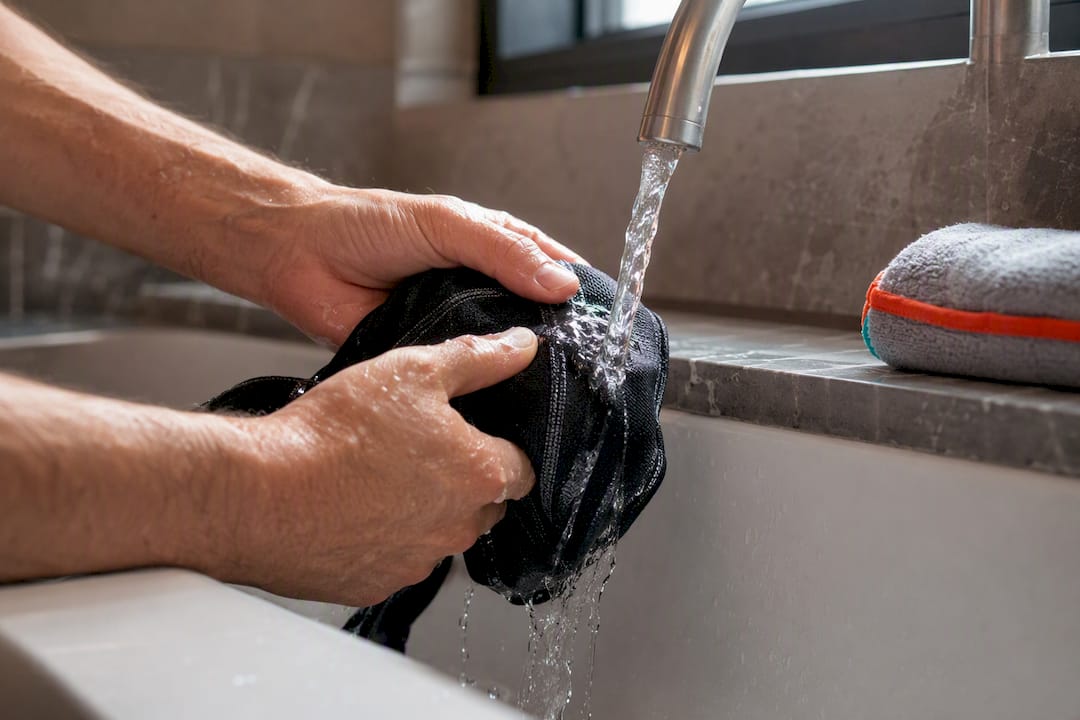
The conventional advice, “pick a cool logo and order in bulk,” skips the part that actually determines whether the apparel survives past month two: fabric weight and decoration method matched to how often the piece gets worn. A distressed retro tee looks great on a hanger and cracks apart after ten washes if it’s screen printed on thin cotton and worn to every class.
Prioritize durability over novelty for anything worn to train in, and save the creative swings, mascots, slogans, retro looks, for the pieces meant to be worn outside the gym. Academies that treat apparel as a retention tool, tied to belt progress or milestones, get more out of a shirt than academies that treat it as a one-off merch drop.
— Adam
Get a Sample Before You Commit to a Full Run
Jam4apparel gives martial arts academies something most print shops don’t: in-house production on every decoration method, so a design proof, a sample run, and a full team order all move through one shop instead of bouncing between vendors.
Start by requesting a free design proof and a small sample pack, either the training tee and hoodie combo or a single discipline-specific piece like a rash guard. Once you approve fit, color, and how the print holds up to a wash, Jam4apparel can quote a bulk order or set up a spirit wear store for your students to order directly. If you’re weighing decoration methods for a mixed order of tees, polos, and patches, the screen printing services page breaks down pricing and lead times, or head straight to the martial arts schools page to see what’s already working for academies like yours. For smaller, fashion-forward custom runs outside the training rotation, Prima Dons & Donnas is worth a look too. Either way, the next step is the same: request a proof and see the design on fabric before you order fifty of anything.
Sources
For print quality standards, see SGIA. For promotional product best practices, see PPAI. For a deeper dive on dojo apparel trends and fabric weights, see the Martial Arts & Dojo Apparel Guide.
- What to Wear to Your First Class
- Martial Arts & Dojo Apparel 2026 | T-Shirt Elephant
- Choosing the Best Martial Arts Clothing in the UK: 2025 Buyer’s Guide - Militar
Recommended
Ready to print your design?
Screen print, embroidery, and DTF — no minimums on many styles.