
How to Design Nonprofit Organization Shirts That Work
July 6, 2026
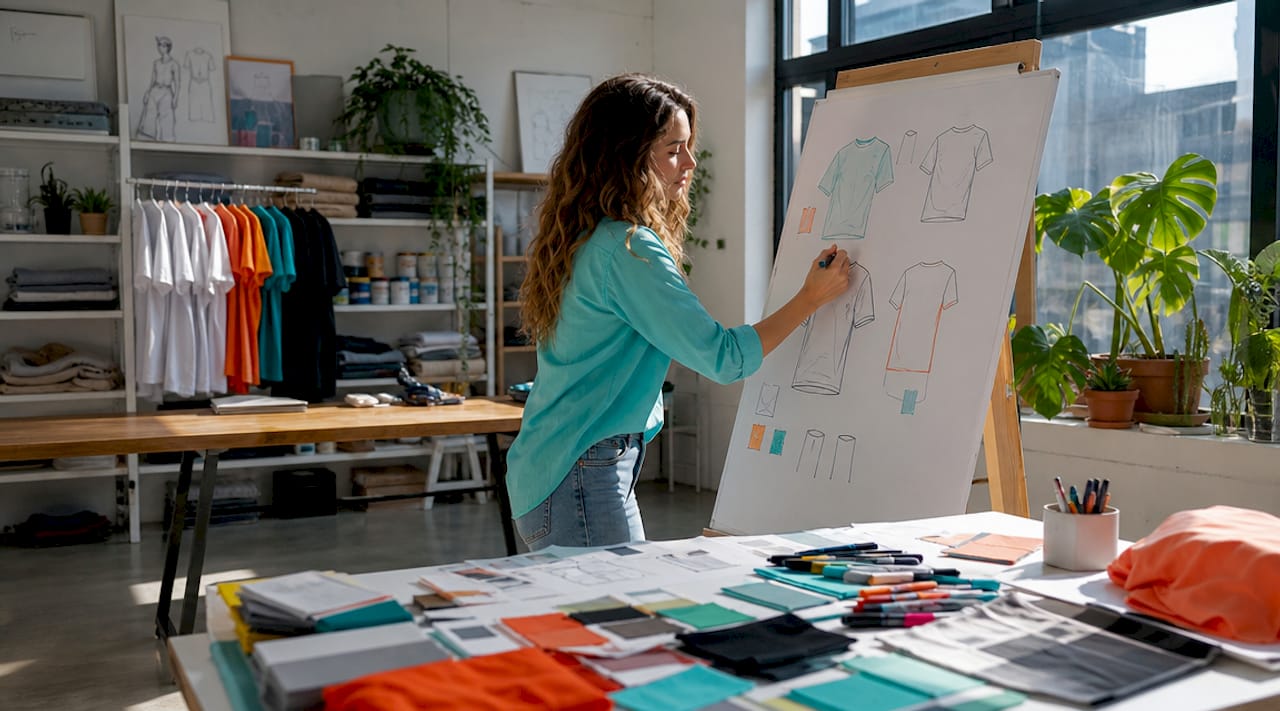
How to Design Nonprofit Organization Shirts That Work
Effective nonprofit shirt design is the process of creating custom apparel that clearly communicates your mission and builds real supporter connection. When you design nonprofit organization shirts with purpose, they become walking billboards for your cause, tools for volunteer unity, and fundraising assets all at once. The right shirt turns a casual supporter into a visible advocate. This guide walks you through design principles, print methods, step-by-step execution, and promotion strategies so your next order delivers results.
What are the key design principles for nonprofit organization shirts?
The single most important rule in nonprofit shirt design is readability. Text and graphics must be bold and simple enough to read from several feet away. That standard matters because your shirts work hardest in group settings: rallies, walks, community events, and social media photos where small or cluttered text disappears entirely.
Color contrast is the second non-negotiable. Dark ink on light shirts and light ink on dark shirts produce maximum visual impact. This is not a stylistic preference. It is a functional requirement for shirts that need to communicate at a distance and photograph well.
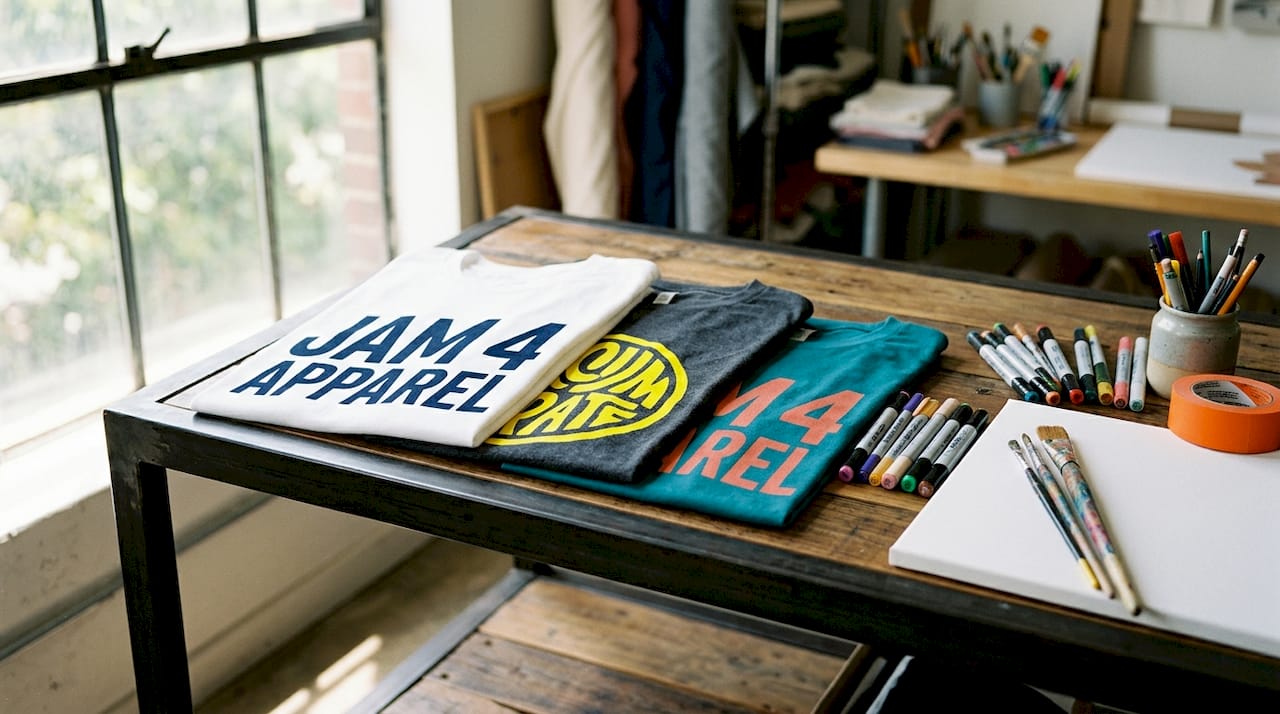
Logo simplicity directly affects production quality and brand recognition. Simple logos with limited colors and clean font choices increase brand recognition and make apparel production easier. A logo that looks great on a screen often becomes muddy when printed at small sizes on fabric. Test your logo at 2 inches wide before finalizing anything.
The 2026 design moment for nonprofits centers on storytelling. Storytelling and sustainable design are the leading trends shaping nonprofit apparel this year. That means shirts that carry a short phrase, a year, a location, or a human element rather than just a logo. Supporters wear shirts that mean something personal to them.
Key design principles to apply from the start:
- Use no more than two fonts per design, and make sure both are legible at small sizes
- Limit your color palette to two or three colors to control print costs and visual clarity
- Place your most important message in the center chest area for maximum visibility
- Leave white space around design elements so nothing feels crowded
- Match your shirt color to your organization’s existing brand colors for consistency
Pro Tip: Test your design by printing a draft at actual shirt size and holding it at arm’s length. If you cannot read every word clearly, simplify before you order.
What tools and resources do you need for custom nonprofit shirts?
Design software is your starting point. Free tools like Canva work well for nonprofits with limited budgets and no in-house designer. Adobe Illustrator remains the industry standard for producing print-ready vector files, which most professional printers require. AI-powered design tools now let nonprofits generate eco-friendly pattern options quickly, aligning modern supporter values with mission storytelling.
Choosing the right print method changes your cost structure and design options significantly. Screen printing is favored for bulk orders, while DTG suits detailed designs and smaller runs. DTF (Direct-to-Film) transfers offer a middle ground: full-color detail with no minimum order requirement. Jam4apparel offers all three methods in-house, which means faster turnaround and consistent quality across your full order.
| Print Method | Best For | Color Limit | Cost at Scale |
|---|---|---|---|
| Screen printing | Bulk orders (24+) | 1–6 colors | Lowest per unit |
| DTG | Small runs, photo-quality art | Unlimited | Moderate |
| DTF transfers | Mixed quantities, full color | Unlimited | Competitive |
Fabric choice matters as much as the print. Soft, durable shirt materials increase wearer satisfaction and repeat use, which strengthens your nonprofit’s visibility over time. A shirt that feels good gets worn again. A stiff, scratchy shirt ends up in a drawer after the event. For volunteer shirts, look for 100% cotton or a cotton-polyester blend in at least 5.3 oz fabric weight.
For bulk orders, screen printing at Jam4apparel delivers the lowest cost per unit. For donor appreciation gifts or small fundraiser runs, DTF or DTG gives you the color flexibility to match a detailed design without setup fees eating your budget. You can read a full breakdown of print method differences before committing to a production path.
How to create and finalize your nonprofit shirt design step-by-step
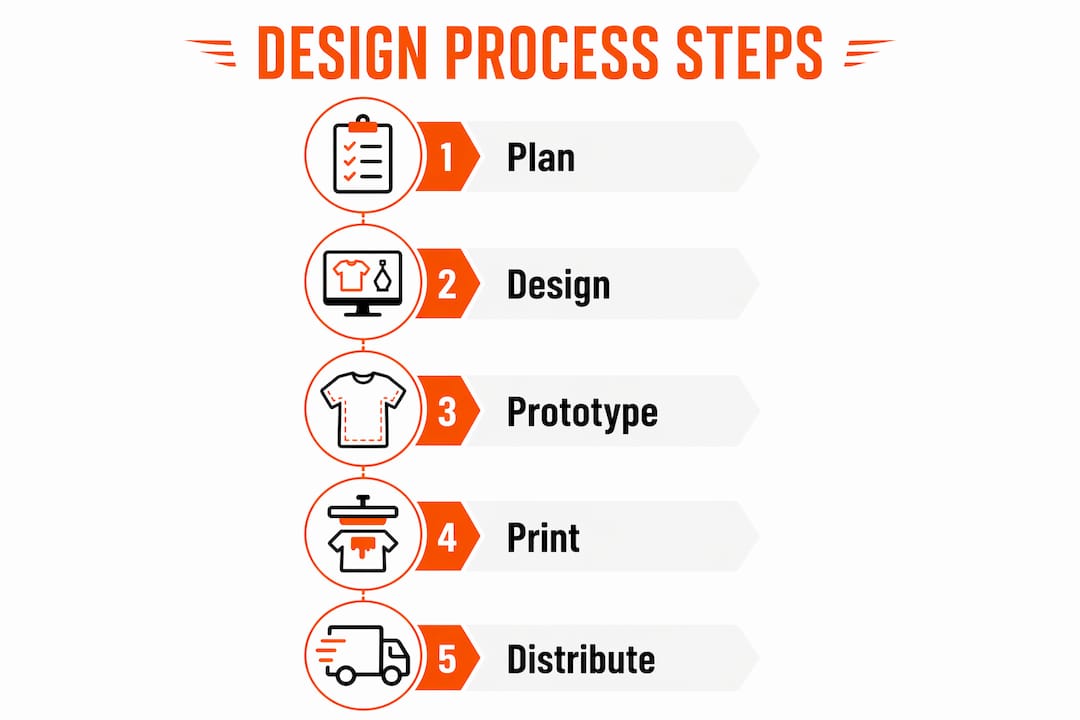
Start with your message, not your logo. Write down the three things you want someone to know after seeing your shirt for five seconds. That exercise almost always produces a cleaner, more focused design than starting with a blank canvas and adding elements until it looks “done.”
Follow this process from concept to print-ready file:
- Write your core message. Draft your organization name, event name or year, and one short tagline. Keep the tagline under seven words.
- Sketch a layout. Decide where each element sits: front chest, back, sleeve, or all three. Most effective nonprofit shirts use a bold front chest design and leave the back clean or add a sponsor list.
- Use a template or AI tool to build your draft. Canva offers free t-shirt mockup templates. Adobe Illustrator gives you full control for complex artwork.
- Get feedback from volunteers and supporters. Show the draft to five people outside your design team. Ask what they read first and whether the message is clear. Their answers will surprise you.
- Verify logo permissions. If your design includes a partner organization’s logo or any licensed artwork, get written approval before sending files to print.
- Prepare your print file correctly. Most printers require a vector file (AI or EPS format) at 300 DPI minimum. Ask your printer for their exact file specs before you finalize anything.
- Estimate your quantity carefully. Order slightly more than you think you need. Reprinting a small batch later costs significantly more per shirt than adding units to your original order.
For creative inspiration on integrating graphics and text to communicate your mission visually, DIY shirt design ideas offer useful layout concepts that translate well to nonprofit apparel.
Pro Tip: Avoid the two most common nonprofit shirt mistakes: too many design elements and fonts that look great on screen but become unreadable when printed small. When in doubt, remove one element and increase the size of your main message.
How to promote and maximize impact with your nonprofit shirts
Distribution strategy determines how much visibility your shirts actually generate. Giving shirts only to paid attendees limits your reach. The most effective nonprofits treat shirts as marketing tools first and merchandise second.
Promotion and distribution tactics that work:
- Give shirts to every volunteer before the event so your team is visually unified from the moment doors open
- Offer shirts as donor appreciation gifts at specific giving levels to reward supporters and create walking advocates
- Use a campaign hashtag printed directly on the shirt or included in packaging so recipients know how to share photos online
- Allow supporters to add names or short messages to their shirts. Personalization builds emotional ownership and increases the likelihood someone wears the shirt repeatedly
- Post group photos of volunteers in matching shirts on your social channels immediately after the event while engagement is highest
Financial transparency is a legal requirement, not just good practice. Nonprofit fundraising with shirts requires clear distinction between the purchase price and the donation amount, with careful financial record-keeping and compliance with local laws. State rules vary significantly. Consult your legal counsel or a nonprofit compliance resource before selling shirts as a fundraising product. Keeping clean records from the start protects your organization and builds donor trust.
Shirts also build long-term identity. When volunteers wear the same shirt at multiple events across multiple years, your organization develops visual recognition in the community. That recognition compounds. People who see your shirts repeatedly become familiar with your cause before they ever visit your website or attend an event. For a deeper look at building that identity through apparel, the nonprofit volunteer shirt guide from Jam4apparel covers durable printing options and visual consistency across seasons.
Key Takeaways
Designing nonprofit shirts that work requires combining clear messaging, the right print method, and a deliberate distribution plan from the start.
| Point | Details |
|---|---|
| Readability first | Bold, simple text readable from several feet away is the baseline for effective nonprofit shirts. |
| Match print method to quantity | Screen printing wins on bulk cost; DTF and DTG suit small runs and full-color designs. |
| Fabric quality drives repeat wear | Soft, durable materials increase how often supporters wear your shirt, extending your visibility. |
| Personalization boosts engagement | Allowing name or message customization increases emotional connection and fundraising sales. |
| Legal compliance is mandatory | Clearly separate purchase price from donation amount and follow your state’s fundraising laws. |
What I’ve learned from watching nonprofit shirt projects succeed and fail
The organizations that get the most out of their shirts are almost never the ones with the biggest design budgets. They are the ones that treat the shirt as a communication tool rather than a souvenir. I have seen beautifully printed shirts with full-color artwork sit in boxes after an event because nobody wore them past day one. The design was impressive. The message was absent.
The shirts that keep showing up in community photos years later share one quality: they say something specific. Not just an organization name and a logo, but a year, a place, a number of lives served, or a phrase that only makes sense if you were there. That specificity creates belonging. People wear belonging.
The other mistake I see repeatedly is underestimating the print method decision. Nonprofits often choose the cheapest option per shirt without accounting for how the design will hold up after ten washes. A screen-printed shirt on quality fabric from a shop like Jam4apparel outlasts a low-cost alternative by years. When a volunteer wears your shirt to the grocery store two years after your event, that is free advertising you already paid for.
My honest advice: spend more time on your message than your artwork, choose a print method based on longevity not just upfront cost, and get your shirts into the hands of people who will actually wear them in public. The design is the starting point. Distribution is where the impact happens.
— Adam
Custom nonprofit shirts from Jam4apparel
Jam4apparel works with nonprofits throughout the Chicagoland area to produce custom shirts that hold up through events, washes, and years of community use. The in-house production team handles screen printing, DTF transfers, and embroidery, so you get consistent quality whether you need 12 shirts for a volunteer crew or 500 for a fundraising campaign.
The team at Jam4apparel provides design assistance for organizations that need help translating a mission into a print-ready file. Bulk pricing makes large orders affordable, and fast turnaround keeps your timeline on track. Visit the custom apparel for nonprofits page to see options, or go directly to screen printing services to get a quote for your next order.
FAQ
What is the best printing method for nonprofit shirts?
Screen printing is the best choice for bulk nonprofit orders of 24 or more shirts because it delivers the lowest cost per unit. DTF and DTG printing suit smaller runs or designs with many colors.
How do I make my nonprofit shirt design readable?
Use bold, simple text and limit your design to two or three colors. Distance readability is the standard: your message should be clear from several feet away.
Can nonprofits sell shirts as a fundraiser legally?
Yes, but fundraising compliance requires you to clearly separate the shirt’s purchase price from the donation amount and maintain accurate financial records. Rules vary by state, so consult a legal advisor before launching a shirt sale.
How many colors should a nonprofit shirt design use?
Limit your design to two or three colors. Fewer colors reduce screen printing costs and keep the design visually clear. Simple logos with limited colors also improve brand recognition across all your apparel.
What fabric is best for nonprofit event shirts?
A 100% cotton or cotton-polyester blend at 5.3 oz or heavier gives volunteers and supporters a shirt that feels comfortable and holds its shape after repeated washing. Soft, durable fabric increases how often people wear the shirt, extending your organization’s visibility.
Recommended
Ready to print your design?
Screen print, embroidery, and DTF — no minimums on many styles.