
Custom Event T-Shirts Explained for Event Planners
September 22, 2026
Custom Event T-Shirts Explained for Event Planners
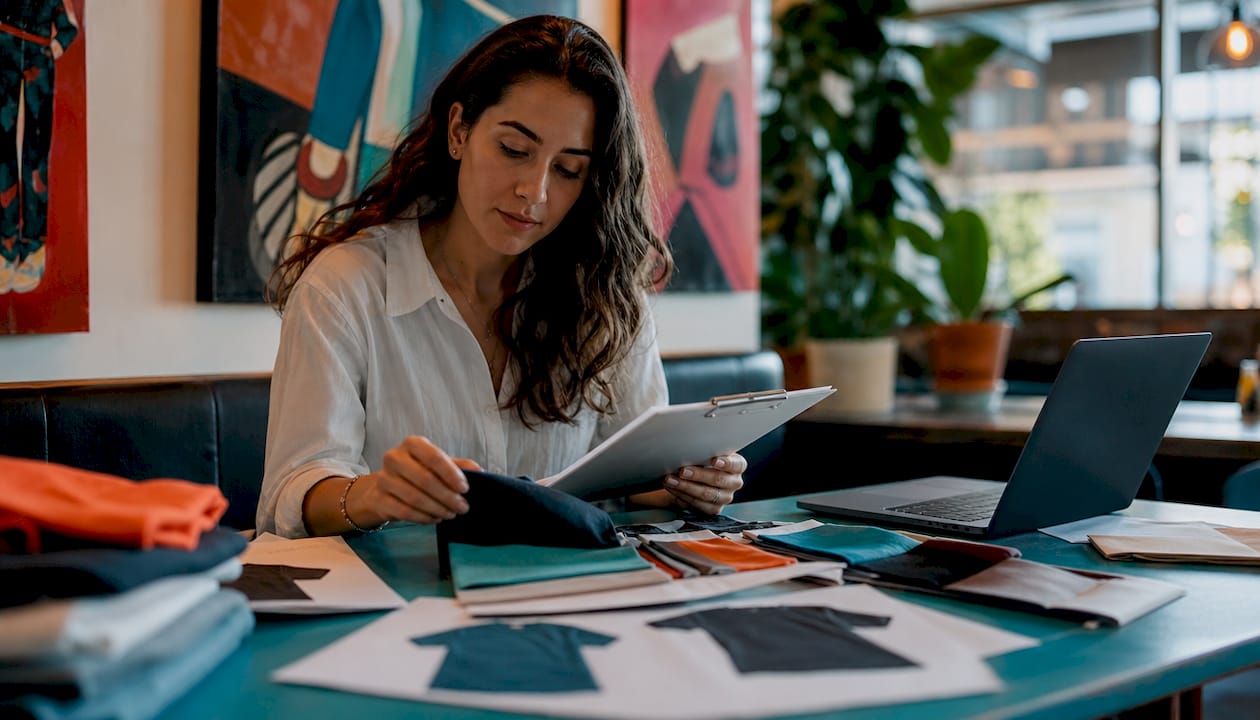
Custom event t-shirts are defined as garments printed or embroidered with event-specific branding, worn by staff, volunteers, and attendees to create visual unity and lasting brand exposure. Getting custom event t-shirts explained correctly from the start saves you money, prevents ordering mistakes, and produces shirts people actually wear after the event ends. The right shirt does three jobs at once: it identifies your team, engages your attendees, and promotes your sponsors. Jam4apparel works with event planners, nonprofits, and fundraising teams throughout the Chicagoland area to deliver personalized event shirts that check all three boxes. This guide covers fabric, design, printing methods, and ordering logistics so you can make confident decisions.
How do fabric choice and garment quality impact your custom event t-shirts?
The blank shirt you choose matters as much as the design printed on it. Selecting the right garment transforms a simple logo into a professional, desirable apparel piece. A low-quality or ill-fitting shirt makes your event look cheap, regardless of how good the artwork is.
Fabric weight and fiber content directly affect both comfort and print quality. Here is what each common option delivers:
- 100% combed cotton: Soft, breathable, and ideal for screen printing. Best for indoor events or cooler outdoor settings.
- Cotton/polyester blends (50/50 or 60/40): More durable and wrinkle-resistant. They hold color well and work across most printing methods.
- Performance or moisture-wicking fabrics: Built for athletic or outdoor events where attendees stay active all day.
- Tri-blends (cotton, polyester, rayon): Lightweight and soft with a vintage feel. Popular for fundraising shirts and community runs.
Fit matters just as much as fiber. Unisex relaxed fits work well for large, mixed groups because they accommodate a wide range of body types without requiring many size variations. For staff and volunteers who wear shirts all day, a slightly structured fit looks more polished on camera and in photos.
Fabric selection also affects print quality in ways most planners do not anticipate. Polyester-heavy fabrics can cause dye migration with screen printing, which blurs ink edges over time. High-cotton fabrics absorb ink cleanly and produce sharper results.
Pro Tip: Order a sample of your chosen blank shirt before committing to your full run. Wear it for a few hours to check comfort, then wash it once to see how the fabric holds up.
What design elements make custom event t-shirts effective and wearable?
The best event shirts help people feel part of something while looking polished and recognizable. A shirt that looks great at the event but sits in a drawer afterward is a missed branding opportunity. Design for both moments.
Follow this priority order when building your layout:
- Event name and year: Place these prominently on the front or back. The year turns the shirt into a collectible, especially for annual events.
- Logo or primary graphic: This is your visual anchor. Keep it large enough to read from 10 feet away.
- Location or tagline: Secondary information belongs on the back or chest pocket area. Keep it smaller than the primary graphic.
- Sponsor logos: Group them together, typically on the back lower section. Use consistent sizing to avoid visual hierarchy conflicts.
- Color palette: Limit your design to two or three colors. More colors increase printing costs and often reduce visual clarity.
Color choice carries more weight than most planners realize. Dark shirts feel more premium and encourage repeat wear, while lighter colors keep attendees cooler at outdoor summer events. High contrast between shirt color and ink color improves readability, but balance is key. A white design on a black shirt reads clearly; a yellow design on a light gray shirt disappears.
Avoid clutter. Every element you add to a shirt competes with every other element. A clean, focused design with one strong graphic and clear text always outperforms a shirt packed with information. Think of the shirt as a billboard, not a flyer.
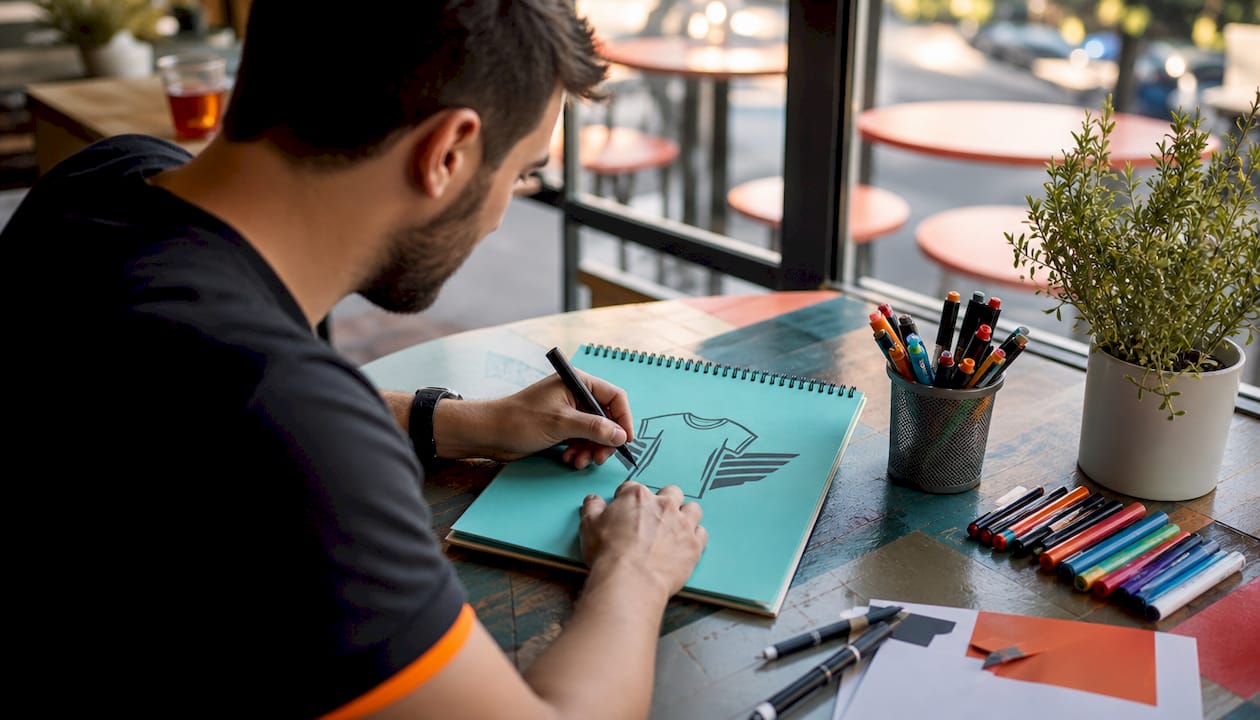
Pro Tip: View your design at thumbnail size before approving it. If you cannot read the event name clearly at that scale, your attendees will not read it from across a crowd.
For events with a specific visual theme, consider pairing your shirt design with complementary event decor trends to create a cohesive attendee experience from the table to the t-shirt.
Which printing methods best suit custom event t-shirts?
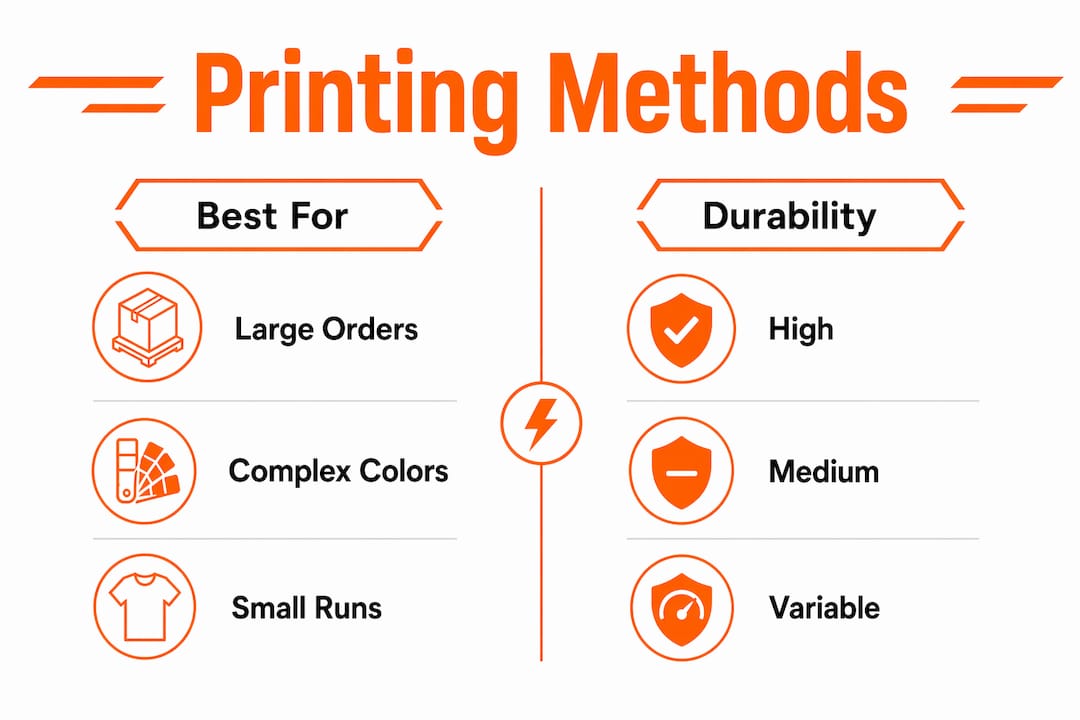
Screen printing, DTG, heat transfer, sublimation, and vinyl are the five standard methods for custom event shirt printing. Each suits a different combination of budget, quantity, and design complexity.
| Method | Best for | Durability | Color limit |
|---|---|---|---|
| Screen printing | Large orders, simple designs | Excellent | Typically 1–6 colors |
| DTG (Direct-to-Garment) | Small runs, photo-quality art | Good | Unlimited |
| Heat transfer | Short runs, quick turnaround | Moderate | Unlimited |
| Sublimation | Polyester fabrics, all-over prints | Excellent | Unlimited |
| Vinyl | Single names, numbers, small batches | Good | Limited |
Screen printing is the most cost-effective method for orders above 24 pieces. The per-unit cost drops significantly as quantity increases, making it the standard choice for large fundraising events, charity runs, and festivals. Jam4apparel’s screen printing services are built for bulk event orders with fast turnaround.
DTG printing works best when your design includes gradients, photographs, or more than six colors. It requires no setup screens, so small runs of 12 pieces or fewer become affordable. The tradeoff is that DTG prints on cotton best and can fade faster than screen printing without proper care.
For planners comparing DTG and screen printing in depth, Jam4apparel’s 2026 printing comparison guide breaks down the cost and quality differences clearly.
A few additional considerations:
- Sublimation requires white or light polyester blanks. It does not work on cotton.
- Heat transfer is fast but can crack or peel after repeated washing if applied at the wrong temperature.
- On-site live printing turns crowds into customers and adds a memorable interactive element, but it requires significant logistical planning and equipment.
How to plan logistics for ordering and distributing custom event t-shirts?
Ordering mistakes cost money and create stress in the final days before an event. Avoiding common ordering pitfalls starts with building a realistic timeline and communicating clearly with your printer.
Follow these steps to keep your order on track:
- Set your deadline early. Work backward from your event date. Most standard custom orders require 10–14 business days. Rush orders are possible but cost more.
- Collect size data before you order. Send a size survey to staff, volunteers, and pre-registered attendees. Do not guess. Guessing leads to leftover shirts in sizes nobody wants.
- Order a size buffer. Add 10–15% extra units across your most popular sizes (typically medium, large, and extra-large) to cover last-minute additions and on-site requests.
- Request a digital proof before production begins. Review placement, color, and spelling carefully. Errors caught at the proof stage cost nothing to fix. Errors caught after printing cost everything.
- Plan your distribution method. Decide whether shirts go into event bags, are handed out at check-in, or are available at a merchandise table. Each method requires different packaging and staffing.
Most custom t-shirts ship in 2–3 business days once production is complete, but production time varies by method and order size. Screen printing jobs with multiple colors take longer to set up than single-color runs.
Planning sizing carefully for diverse groups reduces waste and improves attendee satisfaction. Offering both unisex and fitted options, when budget allows, shows attention to detail that attendees notice.
For fundraising events, consider selling shirts as part of a registration package or as add-on merchandise. Shirts sold in advance give you accurate quantity data and eliminate the guesswork entirely.
Key Takeaways
Custom event t-shirts succeed when fabric quality, clear design, the right printing method, and careful ordering logistics work together from the start.
| Point | Details |
|---|---|
| Fabric drives perception | High-quality blanks make logos look professional and encourage attendees to wear shirts again. |
| Design clarity wins | Limit colors to two or three and prioritize event name and logo above all other elements. |
| Match print method to order size | Screen printing leads for large runs; DTG suits small, complex designs with unlimited colors. |
| Order with a size buffer | Add 10–15% extra units in your most popular sizes to handle last-minute needs. |
| Proof before production | Catching errors at the digital proof stage costs nothing; catching them after printing costs everything. |
What I’ve learned from watching event shirts succeed and fail
Most event planners treat the shirt as an afterthought. They finalize the venue, the catering, and the program, and then scramble to order shirts two weeks before the event. That approach almost always produces a mediocre result, and mediocre shirts do not get worn again.
The events I have seen get this right share one habit: they treat the shirt as part of the event experience, not a logistical checkbox. They pick a fabric that feels good to wear all day. They design something clean enough that an attendee would wear it to a weekend farmer’s market without thinking twice. They order early enough to get a sample, wash it, and confirm the print holds.
The biggest mistake I see repeatedly is overcrowding the design. Planners want to include every sponsor, every tagline, and every social media handle on one shirt. The result looks like a terms-of-service agreement printed on cotton. Nobody wears it after the event, which means every sponsor logo on that shirt stops being seen the moment the event ends.
Quality also signals something to your attendees. A shirt that pills after one wash tells people your organization cuts corners. A shirt that still looks sharp six months later tells them you care about the details. That perception carries over to how people view your event, your cause, and your brand.
My honest advice: set a realistic per-shirt budget that includes a quality blank, and do not compromise on the garment to save a few cents. The shirt is the one piece of event merchandise that travels home with every attendee. Make it worth keeping.
— Adam
Jam4apparel’s custom event apparel solutions
Event planners across the Chicagoland area rely on Jam4apparel for event t-shirt printing that covers everything from small fundraising runs to large festival orders. Jam4apparel offers screen printing, DTG, DTF transfers, and embroidery under one roof, which means faster turnaround and consistent quality across every order.
Flexible order sizes mean you are not locked into a minimum that does not fit your event scale. Whether you need 50 volunteer shirts or 2,000 attendee tees, Jam4apparel’s in-house production team handles both. Browse the full range of custom apparel by industry to find solutions built specifically for events, nonprofits, sports teams, and community organizations. Contact Jam4apparel directly to get a quote, review a digital proof, and lock in your production timeline before your event date arrives.
FAQ
What are custom event t-shirts used for?
Custom event t-shirts create team visibility for staff, volunteers, and vendors while serving as lasting attendee souvenirs that extend event impact beyond the day itself. They also support sponsor exposure through professional logo placement.
How far in advance should I order event shirts?
Order at least 3–4 weeks before your event to allow time for design approval, production, and shipping. Rush production is available from most printers but adds cost.
Which printing method is best for large event orders?
Screen printing is the most cost-effective method for orders above 24 pieces. Per-unit cost drops as quantity increases, making it the standard choice for festivals, charity runs, and large fundraising events.
How do I choose the right shirt size mix?
Send a size survey to staff and pre-registered attendees before ordering. Then add a 10–15% buffer across your most popular sizes, typically medium, large, and extra-large, to cover walk-up requests.
Can event shirts be worn after the event?
Yes, and they should be designed with that goal in mind. Event shirts designed with both functionality during the event and desirability afterward in mind deliver ongoing brand exposure every time an attendee wears one in public.
Recommended
Ready to print your design?
Screen print, embroidery, and DTF — no minimums on many styles.