Common Custom Apparel Ordering Mistakes to Avoid
June 20, 2026
Common Custom Apparel Ordering Mistakes to Avoid
Common custom apparel ordering mistakes are avoidable errors that cost Illinois small businesses, school reps, and sports team coordinators real money, time, and credibility. The most damaging pitfalls include submitting low-resolution artwork, guessing at sizes, and placing orders too close to event deadlines. Apparel decoration professionals refer to these collectively as “order preparation failures,” and they show up across every print method, from screen printing to DTF transfers to embroidery. Knowing what to watch for before you place your order is the difference between a result you’re proud of and a box of shirts you can’t use.
1. Common custom apparel ordering mistakes start with bad artwork
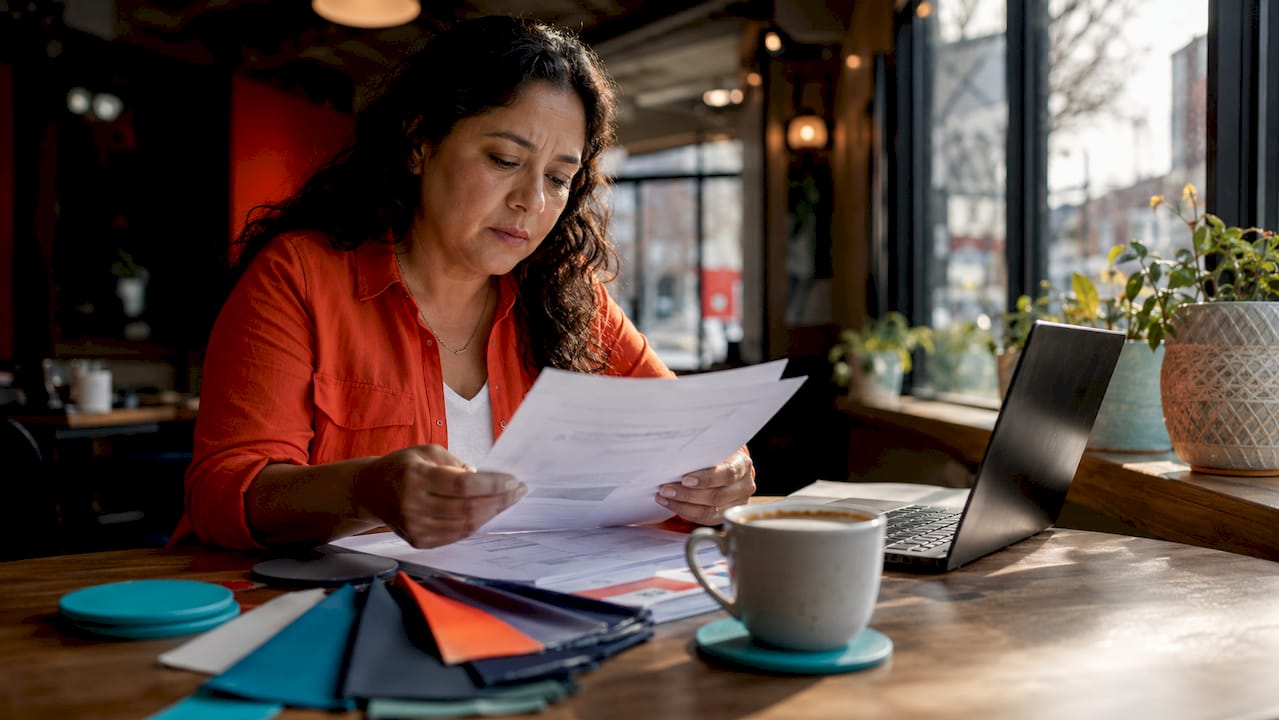
Poor artwork quality is the single most frequent cause of production delays and bad-looking prints. Submitting low-resolution or screenshot artwork produces pixelated, unprofessional results that no printer can fix after the fact. That means your school logo or business brand ends up looking blurry on every shirt in the run.
Vector files, typically in .AI, .EPS, or .SVG format, are the standard for apparel decoration. They scale to any size without losing sharpness. Raster files like JPEGs or PNGs work only when the resolution is at least 300 DPI at print size. Anything pulled from a website or screenshot is almost always 72 DPI, which is far too low.
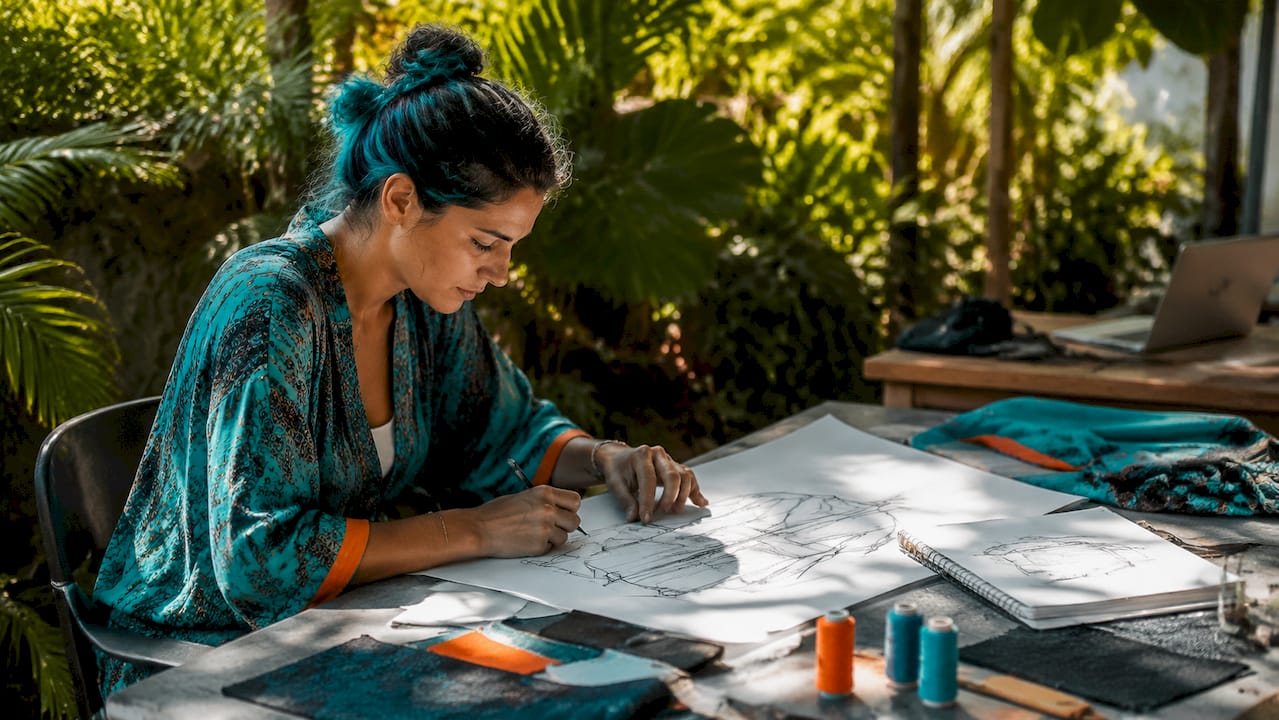
Overly detailed artwork creates a separate problem. Fine lines, tiny text, and gradients that look sharp on a screen often break down on fabric, especially with screen printing. DTF transfers handle more detail than screen printing, but even DTF has limits on very small text. Simplify your design before submitting, not after.
Pro Tip: Always request a print-ready digital proof from your decorator before production begins. Review it on your computer screen at 100% zoom, not on a phone.
2. Guessing sizes leads to waste and shortages
Size guesswork is one of the most expensive custom apparel ordering errors a coordinator can make. Teams that guess a simple S:M:L:XL ratio often end up with a surplus of smalls and a shortage of 2XL and 3XL sizes. That imbalance means some members go without and leftover inventory gets thrown away.
The fix is straightforward: poll every person in your group before placing the order. Send a simple form asking for their preferred size in the specific garment style you are ordering. Size charts differ by manufacturer and even by garment style within the same brand, so a person who wears a large in one shirt may need an XL in another.
Men’s, women’s, and youth sizing charts are not interchangeable. A women’s XL and a men’s XL fit very differently. School coordinators ordering spirit wear for mixed groups need to account for this. Size charts differ regionally and by manufacturer, and ordering without exact charts leads to significant fitting errors.
- Collect individual size preferences from every group member before ordering.
- Cross-reference your list against the specific garment’s size chart, not a generic one.
- Add 5–10% buffer units in the most common sizes to cover late additions or exchanges.
- Order a fit sample or pilot batch if your group has never worn that garment style before.
- Avoid ordering exclusively in standard sizes if your group includes youth or plus-size members.
Pro Tip: Ask your decorator for the manufacturer’s actual garment measurements, not just the size label. A chest measurement is more reliable than a size name.
3. Choosing the wrong fabric and print method
Fabric choice directly affects print quality, durability, and wearer comfort. Ignoring fabric content leads to poor apparel choices that affect comfort, durability, and print quality all at once. A polyester jersey printed with plastisol ink designed for cotton will crack and peel faster than expected.
Different fabrics require different inks and printing methods. Cotton holds plastisol ink well and is the standard for screen printing. Polyester and performance fabrics work better with DTF transfers or sublimation. Blended fabrics fall somewhere in between, and the decorator needs to know the exact blend ratio before recommending a method.
| Fabric Type | Best Print Method | Common Mistake |
|---|---|---|
| 100% Cotton | Screen printing, DTF | Using low-quality ink on dark garments |
| 100% Polyester | DTF, sublimation | Applying plastisol ink, which cracks quickly |
| Cotton/Poly Blend | Screen printing, DTF | Ignoring blend ratio when selecting ink type |
| Performance/Athletic | DTF transfers | Screen printing with heavy ink deposits |
| Fleece/Heavyweight | Embroidery, screen print | Choosing embroidery with too many stitches on thin fabric |
Sports teams in Illinois ordering athletic uniforms face this problem often. A coach picks a shirt based on color and price, then discovers the print method is incompatible with the fabric. The result is cracking after a few washes. Always tell your decorator the exact fabric content and intended use before selecting a decoration method.
4. Last-minute orders and skipping proof reviews
Waiting until the last minute is one of the most common pitfalls in custom apparel, and it costs more than just money. Last-minute submissions increase costs through rush fees and risk missing event deadlines entirely. Production complexity and shipping delays make early ordering the only reliable path to on-time delivery. A good rule is to start the ordering process at least three to four weeks before your event date, and longer for large or complex orders.
Proof review is where most design errors get caught, or missed. The digital proof acts as a final legal contract between you and your decorator. Once you approve it, the decorator is not responsible for errors you missed. That makes careful review non-negotiable.
“Professionals use measurements and secondary reviewers unfamiliar with the design to catch errors before production.” — AKOR Services
One of the most common placement errors is the “Belly Print” mistake, where a logo is placed too low on the shirt and ends up sitting at the stomach rather than the chest. Corrections after printing are impossible. Check logo placement by measuring from the collar down on the proof, not just by eyeballing it.
Key steps for an effective proof review:
- Check every word for spelling, including names and numbers on team uniforms.
- Measure logo and text placement from reference points like the collar or sleeve seam.
- Verify that colors match your approved brand colors, not just what looks close on screen.
- Have someone unfamiliar with the design review the proof. Fresh eyes catch errors you overlook.
- Confirm the print size is correct. A logo that looks right on a proof can be too small or too large on the actual garment.
You can learn more about realistic order turnaround timelines before committing to a deadline.
5. Color contrast and design detail errors
Poor color contrast is a frequent custom printing blunder that makes finished apparel look unprofessional. Choosing ink colors too close to the garment color, such as navy ink on a black shirt, produces a design that is nearly invisible in real lighting. The proof may look fine on a backlit screen, but the printed shirt tells a different story.
Font choices matter just as much as color. Thin, decorative fonts below 0.5 inches in height often become unreadable after printing, especially on textured fabrics. Bold, clean fonts at adequate sizes hold up far better across all print methods. The same applies to embroidery, where very small text loses definition in stitching.
Complex designs with many colors add cost and risk. Each additional color in screen printing requires a separate screen and setup fee. Embroidery with excessive stitch counts on lightweight fabric can pucker or distort the garment. Simplifying your design to three or fewer colors almost always produces a cleaner, more durable result.
Pro Tip: Before approving a design, print the proof on paper and hold it against a fabric swatch in the garment color. This low-tech check reveals contrast problems that screens hide.
Skipping mockups or samples before a full production run is a mistake that catches many first-time buyers off guard. A physical sample or detailed digital mockup catches fit and design problems before they multiply across hundreds of units.
6. Ordering without a clear budget or quantity plan
Ordering without a defined budget leads to mid-process changes that delay production and increase costs. Minimum order quantities vary by print method. Screen printing typically requires higher minimums because of setup costs per color. DTF printing has no minimum at Jam4apparel, making it a better fit for small runs or one-off pieces.
Quantity changes after production begins are expensive. Adding 20 shirts to an existing screen printing order after screens are already made is far cheaper than placing a second separate order. Plan your full quantity upfront, including extras for staff, coaches, volunteers, or future replacements. Small businesses ordering minimum quantities for the first time benefit from understanding these thresholds before committing to a method.
Underordering is just as costly as overordering. Running out of branded shirts at a school event or a company trade show creates a gap that a reorder cannot fill in time. Build a small buffer into every order, especially for recurring events where you know demand will grow.
Key takeaways
Avoiding common custom apparel ordering mistakes requires submitting vector artwork, collecting exact sizes, choosing the right fabric and print method, ordering early, and reviewing every proof with a ruler and a second set of eyes.
| Point | Details |
|---|---|
| Submit vector artwork | Use .AI, .EPS, or .SVG files at 300 DPI minimum to prevent pixelated prints. |
| Poll your group for sizes | Collect individual size preferences and cross-reference the manufacturer’s chart before ordering. |
| Match fabric to print method | Confirm fabric content with your decorator so the right ink and method are selected. |
| Order at least 3–4 weeks early | Rush fees and missed deadlines are avoidable with a proper production timeline. |
| Treat the proof as a contract | Review spelling, placement, and color on every proof before approving production. |
What I’ve learned from Illinois apparel orders
Working with school coordinators, sports team managers, and small business owners across the Chicagoland area, I see the same errors repeat themselves every season. The most painful ones are always avoidable. A youth soccer league in McHenry ordered 80 jerseys with names and numbers, approved the proof in under two minutes, and called us back when they noticed a misspelled last name on six of them. The proof had the error. They approved it. There was nothing we could do.
The groups that have the smoothest orders share one habit: they start early and they ask questions. They send their artwork before they are ready to order, just to get feedback. They poll their members for sizes instead of guessing. They read the proof out loud, letter by letter, and they ask a parent or colleague who has never seen the design to look it over.
The groups that struggle wait until two weeks before the event, submit a logo pulled from their website, and approve the proof the same day they receive it. That pattern produces problems every time. Local vendors like Jam4apparel can catch many of these issues before production, but only if you give them enough time to do so. Plan ahead, communicate clearly, and treat the proof like the contract it is.
— Adam
Get your Illinois custom apparel order right the first time
Jam4apparel handles custom screen printing and embroidery for small businesses, schools, and sports teams across the Chicagoland area, including Lake in the Hills, Carpentersville, Barrington, McHenry, and Elgin. Our in-house production team reviews artwork, flags sizing concerns, and walks you through the proof before a single shirt is printed.
Whether you need 12 shirts or 1,200, Jam4apparel’s team helps you avoid the ordering errors that cost other groups time and money. Reach out early, share your artwork, and let us build a plan that fits your timeline and budget. Visit Jam4apparel’s screen printing page to start your order or request a free quote today.
FAQ
What file format should I submit for custom apparel?
Submit vector files in .AI, .EPS, or .SVG format for the best print results. Raster files like JPEGs are acceptable only at 300 DPI or higher at the intended print size.
How early should I place a custom apparel order?
Order at least three to four weeks before your event date. Complex or large orders with multiple garment styles, colors, or individual names and numbers require even more lead time.
How do I avoid sizing mistakes on a bulk order?
Poll every group member individually and cross-reference their preferred size against the specific garment’s manufacturer size chart. Add a 5–10% buffer in the most common sizes to cover exchanges.
What is a “Belly Print” and how do I avoid it?
A Belly Print occurs when a logo is placed too low on a shirt, landing at the stomach instead of the chest. Measure logo placement from the collar down on your digital proof before approving production.
Does fabric type affect which print method I should use?
Yes. Cotton works best with screen printing, polyester performs better with DTF or sublimation, and blended fabrics require the decorator to know the exact blend ratio before selecting an ink type.
Recommended
Ready to print your design?
Screen print, embroidery, and DTF — no minimums on many styles.