
Make Uniforms Last: Fabrics That Survive 60–100 Industrial Washes
September 4, 2026
Make Uniforms Last: Fabrics That Survive 60–100 Industrial Washes
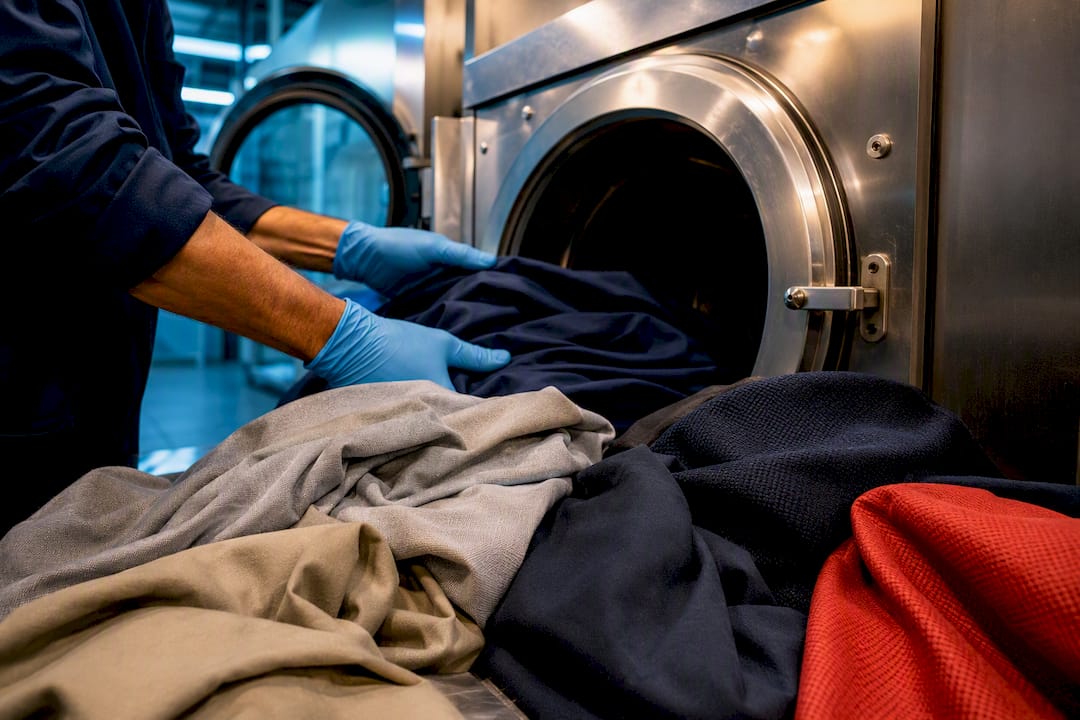
For most uniform programs, choose a poly-cotton blend or a performance polyester matched to the role and the laundry method. Poly-cotton blends like TC 65/35 and performance synthetics cover the majority of workplace, school, and medical needs. Pure cotton still wins on comfort, and specialty fabrics like FR or ripstop step in when safety demands it. The deciding factor is never how a fabric feels off the shelf. It’s whether it survives your actual laundry routine at a reasonable cost per wear.
TL;DR:
- Polyester and poly-cotton blends like TC 65/35 offer a balance of durability, breathability, and wash life, typically surviving over 60 wash cycles with proper care.
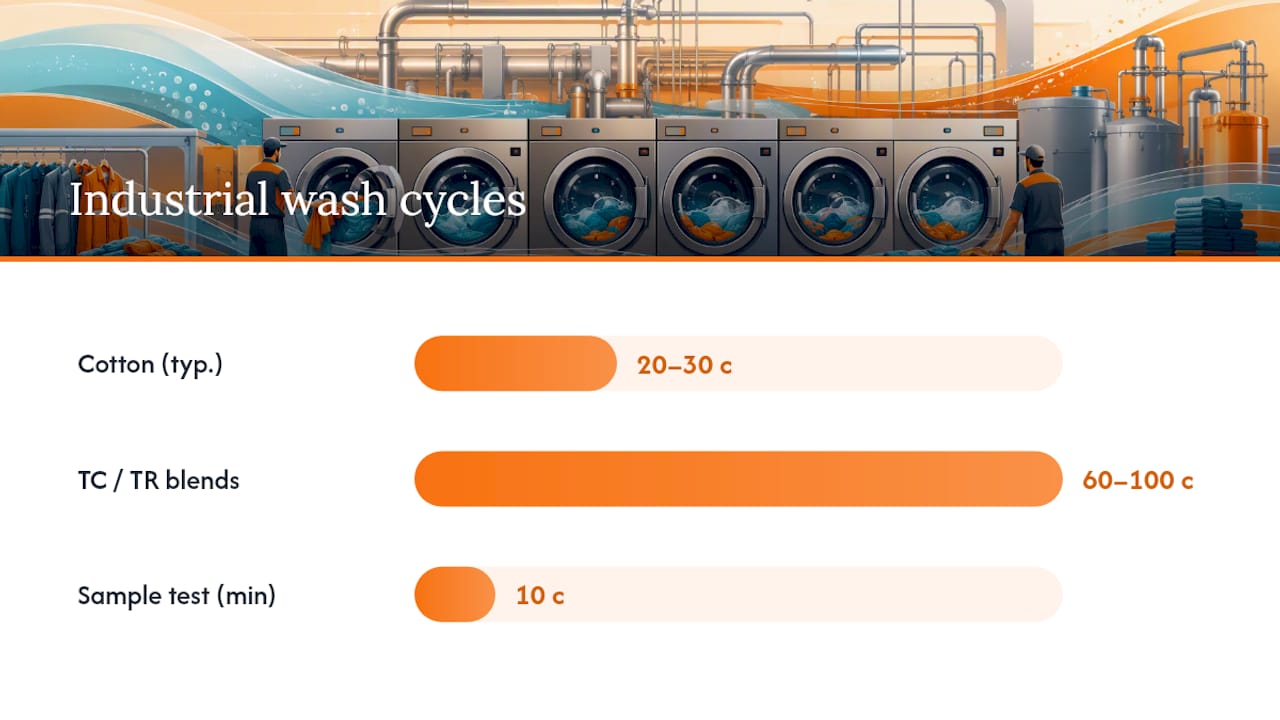
- Cotton fabrics, while comfortable, usually last only 20 to 30 industrial wash cycles before pilling or fading, making them less cost-effective for high-wash environments.
- Specialty fabrics such as flame-resistant, hi-vis, and antimicrobial textiles require verified wash data, as treatments like topical antimicrobials fail after few cycles, unlike inherent fibers.
- Fabric selection should prioritize role requirements and laundering method over initial appearance or softness to prevent early replacement costs.
- Testing samples through actual laundry routines is essential to confirm fabric durability and size retention before large bulk orders.
Table of Contents
- What Are the Best Fabrics for Uniforms?
- Which Fabric Fits Which Job?
- Special-Purpose Fabrics: FR, Hi-Vis, and Antimicrobial Finishes
- Choosing Fabric for Hot Shifts and Summer Comfort
- Care and Laundering: Matching Fabric to Wash Cycle
- How to Choose a Uniform Fabric Without Getting Burned
- What Jam4apparel Recommends for Decoration and Durability
- Why Wash Life Matters More Than First Impressions
- Get a Sample or Quote Before You Order
- Sources
What Are the Best Fabrics for Uniforms?
Every uniform fabric decision comes down to fiber content, blend ratio, and weave. Get those three right and comfort, durability, and appearance mostly take care of themselves.
The catch is shrinkage and a shorter industrial wash life. Cotton typically holds up for 20 to 30 industrial wash cycles before it starts pilling, fading, or losing shape, which is fine for a home-laundered polo but risky for a commercial kitchen shirt washed three times a week.
It resists wrinkles, holds color through repeated bleaching, and can survive far more washes than cotton. The trade-off is a warmer hand feel and less airflow, though better finishing has closed some of that gap.
Poly-cotton blends split the difference, which is why they dominate the category. TC 65/35 is the most common uniform fabric on the market precisely because it delivers 60 to 80-plus wash cycles while still breathing better than straight polyester.
TR (poly-viscose) shows up in dress pants and blazers where drape and a polished look matter more than raw abrasion resistance.
Weave changes the story further:
- Twill hides soil and resists abrasion, which is why it shows up in workwear pants and kitchen shirts.
- Poplin looks crisp and formal but wrinkles faster and shows wear sooner.
- Pique knit is the breathable, textured weave behind most polo shirts.
- Ripstop uses a reinforced grid weave to stop small tears from spreading, common in tactical and field gear.
Which Fabric Fits Which Job?
Role determines fabric more reliably than personal preference. Here’s how that plays out across common uniform categories.
- Healthcare. Scrubs need frequent, often industrial, washing along with stain resistance and sometimes antimicrobial protection. TC blends and performance poly scrub fabrics with yarn-level antimicrobial finishes handle that combination without breaking down after a few dozen loads.
- Hospitality, front of house. Servers and hosts need a fabric that still looks sharp after a double shift. TR and TR-blend shirts and pants work here because quality TR variants can survive a high number of wash cycles while holding their shape and color.
- Hospitality, back of house. Kitchen staff need grease resistance and abrasion tolerance more than polish. TC twill chef coats and pants take the daily punishment of a commercial kitchen.
- Industrial and field roles. Frequent washing, physical labor, and exposure to rough surfaces call for nylon-cotton ripstop, heavy twill, or poly-rich blends built for repeated abrasion.
- Schools. Uniform policies vary by laundering control. If parents wash at home, cotton-rich poplin is comfortable and forgiving. If a school manages laundering centrally, poly-cotton twill holds up better across a full semester.
- Corporate. Office uniforms and branded polos benefit from TR 65/35 or poly-viscose blends that look tailored without the wash-life headaches of dry-clean-only fabric.
Special-Purpose Fabrics: FR, Hi-Vis, and Antimicrobial Finishes
Some roles carry safety or compliance requirements that override comfort and cost. Getting these wrong isn’t just a durability problem, it’s a liability one.
Flame-resistant (FR) fabric comes in two forms: FR-treated cotton and inherently FR fibers like Nomex or FR-treated modacrylic blends. Treated cotton is cheaper upfront, but that protection degrades faster if the garment is laundered with bleach or fabric softeners, and it can wash out entirely over time. Inherently FR fibers keep their protective properties for the life of the garment, which matters for anyone in electrical, utility, or industrial fire-risk work.
Hi-vis textiles almost always use polyester rather than cotton, since polyester holds reflective tape and bright dye loads better through repeated industrial washing.
- Antimicrobial finishes applied at the yarn level tend to outlast topical sprays, which wash out within a handful of cycles.
- Always ask for the actual wash-life data behind an antimicrobial or moisture-wicking claim rather than taking “performance fabric” at face value.
- Ripstop and heavy-duty poly blends remain the default for tactical, security, and other high-abrasion roles.
Choosing Fabric for Hot Shifts and Summer Comfort
Breathability comes down to three things: fiber type, yarn structure, and how tightly the fabric is woven. A loose weave in a natural fiber moves air; a tight, heavy weave in any fiber traps heat, regardless of what the label says about “cooling technology.”
- Lightweight TC or CVC poplin around 4 to 5 ounces per square yard keeps shirts breathable without sacrificing much durability.
- Modal and TENCEL blends wick moisture and feel cool against skin, making them a strong pick for extended outdoor shifts.
- Linen blends breathe exceptionally well but wrinkle fast and aren’t ideal for industrial laundering.
- Pique knit polos balance a professional look with airflow better than a woven poplin shirt of the same weight.
- Darker dyes and dense prints can trap slightly more heat than lighter shades, worth a thought for outdoor summer roles.
Care and Laundering: Matching Fabric to Wash Cycle
The fabric that looks best on a swatch card can still fail fast if it doesn’t match how it’s actually going to get washed. Industrial laundering uses hotter water, harsher detergents, and more mechanical agitation than a home machine, and it’s brutal on fibers not built for it.
Cost per wear is the real metric that should drive fabric selection, not sticker price. Cotton’s 20 to 30 industrial cycles look cheap on paper until you’re replacing shirts three times a year instead of once. TC and TR blends stretching past 60 to 100 wash cycles usually win on total program cost even when the upfront price per unit is higher.
- Follow the care label exactly. Bleach and fabric softeners degrade FR treatments and antimicrobial finishes faster than normal wear does.
- Treat stains before laundering rather than relying on the wash cycle to lift them.
- Sort by color and fabric weight to reduce pilling and cross-contamination between garments, a principle covered well in this guide to color-coded cleaning practices.
- Consider a durable laundry tag system if you’re managing uniforms across multiple departments or shifts.
Pro Tip: Before committing to a full order, run a sample garment through your actual laundry process, not a lab simulation, for at least ten cycles. Real detergent, real water temperature, real dryer heat. That’s the only way to know if a fabric will actually hold up in your building.
For more on label instructions and drying practices that protect fit and color, see this guide to uniform care instructions.
How to Choose a Uniform Fabric Without Getting Burned
Fabric decisions should start with role requirements, not aesthetics. Shift length, indoor versus outdoor exposure, physical movement, and wash frequency all narrow the field before you ever touch a swatch book.
- Define the role: shift length, indoor or outdoor, physical demands, and how often it gets washed.
- Set your laundry method: industrial contract laundering or home washing by staff.
- Decide how much appearance matters: front-of-house polish versus back-of-house function.
- Check the weave and weight (GSM) against the durability you actually need.
- Add stretch only if the role genuinely requires range of motion.
- Confirm FR, hi-vis, or antimicrobial requirements up front, not after the order ships.
- Set a cost-per-wear target instead of shopping on unit price alone.
Before you sign off on a fabric, ask the supplier for their industrial wash test data, not a marketing sheet. Specific numbers on wash cycles, shrinkage percentage, and colorfastness tell you more than any swatch ever will.
A vague “performance fabric” claim with no test data attached is the biggest red flag in uniform sourcing. So is an undisclosed fiber blend or a topical antimicrobial spray marketed as a permanent finish. Ask for the number of AATCC-tested wash cycles behind any durability claim before you commit to a bulk order.
What Jam4apparel Recommends for Decoration and Durability
Fabric choice doesn’t stop at comfort and wash life. It also determines how well a logo prints or stitches. Tight-knit fabrics like pique and heavier twill hold embroidery stitches cleanly, while loose, thin weaves can pucker under dense stitch counts. For screen printing and DTF transfers, a smooth, tightly woven surface produces sharper edges than a nubby or heavily textured fabric.
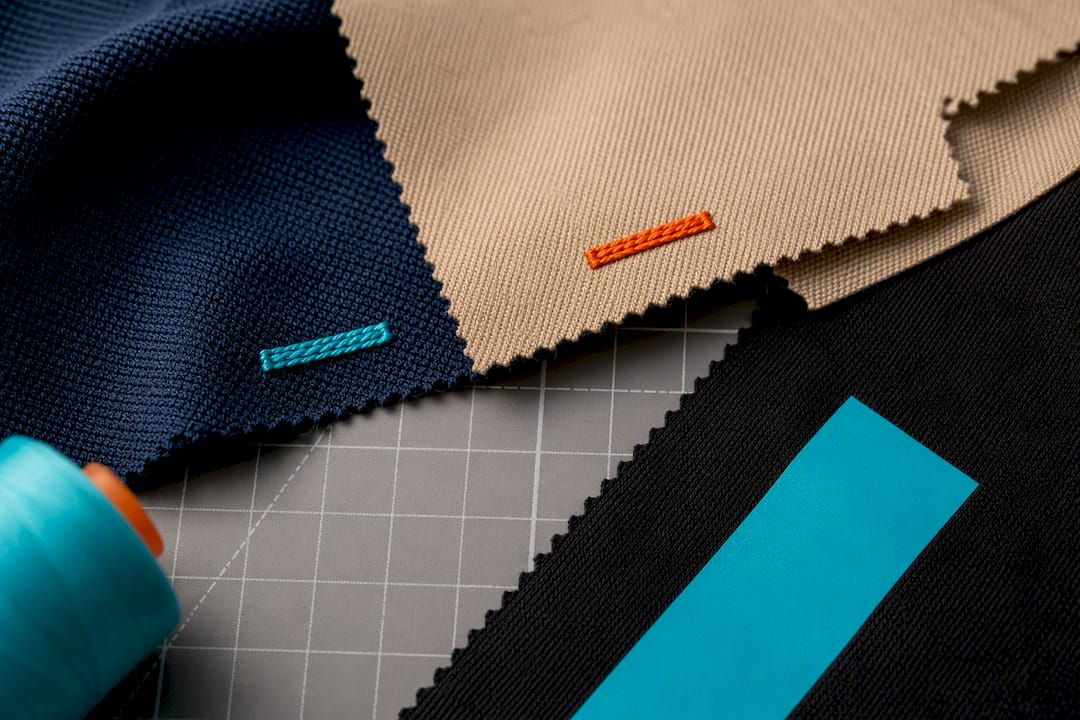
Sample requests and turnaround are handled in-house to avoid delays from third-party involvement. Before placing a bulk order, request a wash-tested sample and confirm shrinkage specs. That single step catches sizing problems before they show up in a 200-piece order.
Why Wash Life Matters More Than First Impressions
The uniform industry talks a lot about hand feel and appearance, but that’s the wrong first filter. A soft cotton polo that shreds after two months of industrial laundering costs more in replacements than a slightly stiffer TC blend that lasts a full year. Cost per wear, not cost per unit, is the number that should drive the decision.
Where conventional advice falls short is treating fabric choice as a single decision made once at the start. It’s really two decisions: what the fabric is, and how it will be cared for. Skip the laundry conversation and even the right fiber choice can fail early.
Prioritize role and laundry method first. Let appearance and softness be tiebreakers, not the starting point. That single shift in thinking prevents most of the expensive fabric mistakes procurement managers make.
— Adam
Get a Sample or Quote Before You Order
Reading fabric specs only gets you so far. Free design proofs and in-house sample runs are available, so you can see and feel a fabric on your own team before committing to a full order. Whether you’re outfitting a healthcare staff, a restaurant crew, or a school spirit wear program, in-house production offers faster turnaround and tighter quality control on color matching and stitch alignment than outsourced shops typically deliver.
Browse industry-specific uniform solutions to find fabric and decoration recommendations built around your exact role, or head straight to custom screen printing to request a quote and start with a physical sample in hand.
Sources
- Best Fabric for Uniforms: A Complete Guide for Buyers and Program Managers - XINGYE TEXTILE
- Uniform Fabric Performance Guide for Buyers
Recommended
Ready to print your design?
Screen print, embroidery, and DTF — no minimums on many styles.