Apparel Decoration Methods Compared: 2026 Guide
July 20, 2026
Apparel Decoration Methods Compared: 2026 Guide
Apparel decoration is defined as any process that applies a design, logo, or text to a garment. With apparel decoration methods compared side by side, the right choice depends on three factors: order size, garment fabric, and design complexity. No single method wins every scenario. Screen printing becomes cost-effective at roughly 24 pieces, while digital methods like DTF and DTG carry no setup fees and suit small runs perfectly. Knowing which technique fits your project saves money and produces better results.
1. Apparel decoration methods compared: best for small orders
Small orders call for digital decoration techniques. These methods skip the setup fees that make screen printing expensive at low quantities.
DTF transfers
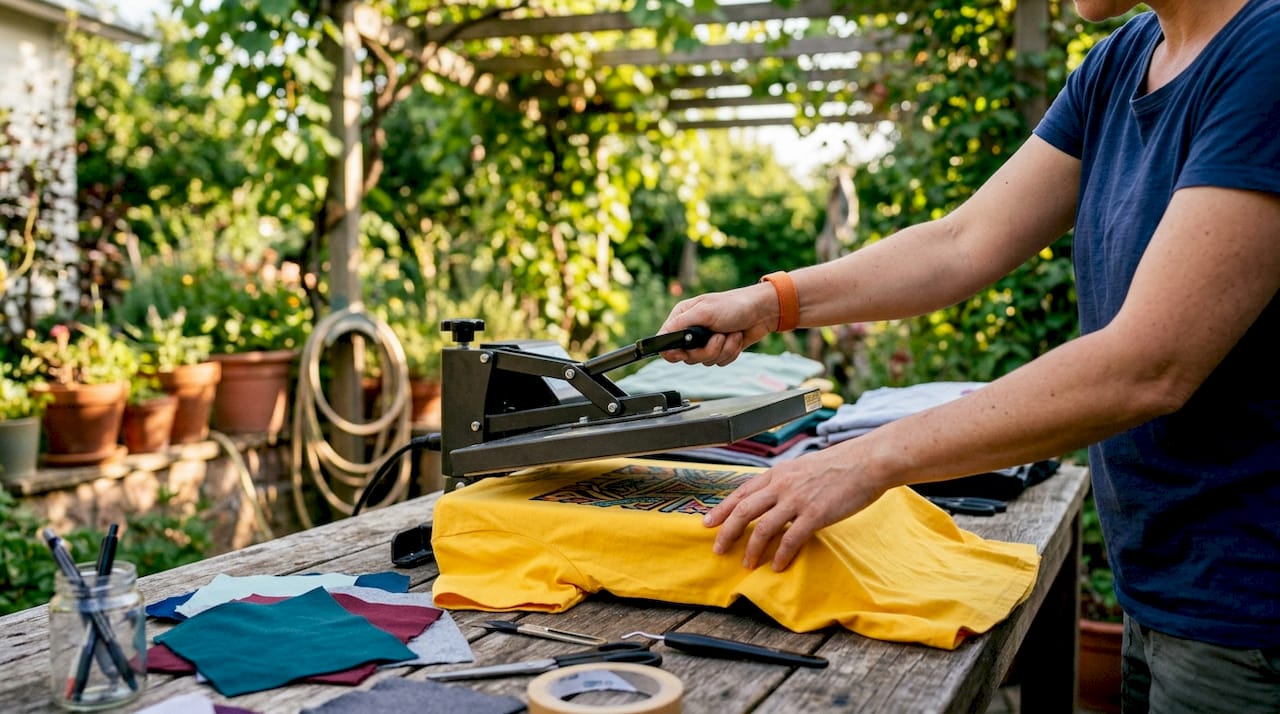
DTF transfers print full-color designs onto a special film, which then bonds to the garment with heat. They work on any fabric color or type with no minimum order quantities. That makes DTF the go-to choice for one-off orders, sample runs, and small business launches. The hand feel is slightly thicker than DTG, though halftone printing techniques continue to reduce that gap.
DTG printing
DTG, or Direct-to-Garment, sprays water-based ink directly onto the fabric. It delivers the softest hand feel and the highest photographic print quality of any decoration method. The catch is fabric compatibility. DTG works best on 100% cotton, and dark garments require a pretreatment step that affects both cost and turnaround time.
Sublimation
Sublimation bonds dye directly into polyester fibers at the molecular level. The result is a permanent, photo-realistic print with zero hand feel on the surface. That permanence is a real advantage for athletic wear and all-over prints. The hard limit is fabric and color. Sublimation only works on white or light-colored polyester, which rules it out for dark garments or cotton blends.
Heat transfer vinyl (HTV)
HTV cuts designs from colored vinyl sheets and presses them onto fabric with heat. Setup costs are low, and the process suits simple text, numbers, and single-color graphics well. Durability is the weak point. Vinyl tends to crack and peel after repeated washing, making it a poor fit for uniforms or branded merchandise that sees heavy use.
Pro Tip: For small runs with full-color logos, DTF transfers give you the most flexibility. You can print one piece or fifty with the same per-unit cost and no artwork setup charge.
2. Best decoration techniques for large volume and simple designs
High-volume orders change the math completely. Setup costs get absorbed across more units, and the cost per piece drops sharply.
Screen printing at scale
Screen printing is the dominant method for bulk apparel orders. Setup costs run $20–$35 per color per screen, which feels steep on a 12-piece order but becomes negligible across 200 shirts. The method excels at designs with 1–6 spot colors, producing vibrant, durable prints that outlast most other techniques. Screen printing also unlocks specialty ink options like reflective, metallic, and puff inks that no digital method can replicate.
- Best for orders of 24 or more pieces
- Works on cotton, polyester, and most blends
- Ideal for bold, simple logos and team uniforms
- Specialty inks add dimension and brand impact at no extra durability cost
Embroidery for premium workwear
Embroidery is the most durable apparel decoration method available. It survives hundreds of industrial laundry cycles without fading or cracking. That durability makes it the standard choice for corporate uniforms, polo shirts, and structured hats. Embroidery requires digitizing your artwork into a stitch file, which supports 12–15 thread colors and produces a premium tactile finish that signals quality to anyone who sees it.
- Best for logos on hats, polos, and jackets
- Thread count and stitch density affect cost
- Digitizing fee applies once per design
- Not suited for fine detail or photographic images
Pro Tip: Combine screen printing for bulk t-shirts with embroidery for hats and polos in the same order. You get cost efficiency on high-volume pieces and a premium finish on items where it counts most.
3. Durability, color capability, and fabric compatibility
Choosing a decoration method means weighing three performance factors: how long it lasts, how many colors it handles, and what fabrics it works on.
| Method | Durability | Color capability | Fabric compatibility |
|---|---|---|---|
| Screen printing | Excellent | Up to 6 spot colors | Cotton, poly, blends |
| Embroidery | Exceptional | 12–15 thread colors | Most woven and knit fabrics |
| DTF transfers | Good to excellent | Full color, unlimited | All fabric types and colors |
| DTG printing | Good (pretreatment dependent) | Full color, photographic | 100% cotton preferred |
| Sublimation | Excellent | Full color, photographic | White/light polyester only |
| Heat transfer vinyl | Fair (peels with washing) | Limited to cut colors | Most fabrics |
Screen printing produces the most vibrant spot colors and holds up exceptionally well through repeated washing. Embroidery outlasts every other method in raw durability terms. DTF and sublimation both deliver photographic color quality, but sublimation’s fabric restriction limits where you can use it. DTG produces the softest feel of any printed method, though print longevity depends heavily on pretreatment quality. Vinyl is the most fragile option and suits temporary or low-wash applications best.
Fabric choice matters as much as the decoration method itself. A 50/50 cotton-polyester blend, for example, limits DTG quality and blocks sublimation entirely. Knowing your garment before choosing your decoration method prevents costly reprints.
4. Cost considerations and setup requirements
Cost is where the comparison of decoration techniques gets most practical. Every method carries a different cost structure, and the right one depends on how many pieces you need and how complex your design is.
| Method | Setup cost | Minimum order | Best price point |
|---|---|---|---|
| Screen printing | $20–$35 per color | Typically 12–24 pieces | 50+ pieces |
| Embroidery | Digitizing fee (one-time) | Varies by shop | 12+ pieces |
| DTF transfers | None | 1 piece | 1–50 pieces |
| DTG printing | None | 1 piece | 1–24 pieces |
| Sublimation | None | 1 piece | 1–50 pieces |
| Heat transfer vinyl | Minimal | 1 piece | 1–12 pieces |
Orders under 24 units almost always favor digital decoration methods to avoid setup fees. Orders over 50 units favor screen printing, where the setup cost spreads thin and the per-unit price drops. The break-even point shifts with color count. A simple one-color screen print may be economical at as few as 12–15 pieces, while a complex multi-color design may require 50 or more pieces before screen printing beats digital on price.
File preparation also affects cost and speed. Approximately 85% of logo files received by decorators need adjustments before production. Screen printing requires vector files, while DTG and DTF need high-resolution CMYK raster images. Submitting the wrong file type adds time and sometimes cost to your order. Knowing which file format your chosen method requires before you place your order eliminates that delay.
Color count directly drives screen printing cost. Each additional color requires a separate screen and a separate setup fee. A four-color design costs roughly $80–$140 more in setup than a single-color design. Digital methods carry no such penalty, which is why full-color photographic prints are almost always cheaper to produce digitally than through screen printing.
Key takeaways
The best apparel decoration method is determined by order size, design complexity, and fabric type. No single technique covers every situation.
| Point | Details |
|---|---|
| Order size drives method choice | Digital methods win under 24 pieces; screen printing wins at 50 or more. |
| DTF is the most flexible digital option | No minimums, works on any fabric color, and handles full-color designs. |
| Embroidery leads in durability | It survives hundreds of wash cycles and signals premium quality on uniforms and hats. |
| Screen printing unlocks specialty inks | Reflective, metallic, and puff inks are exclusive to screen printing at scale. |
| File format affects production speed | Submit vector files for screen printing and high-res CMYK images for digital methods. |
What I’ve learned from watching businesses pick the wrong method
Most ordering mistakes come from choosing a decoration method before deciding on order size. I’ve seen small businesses commit to screen printing for 15 shirts because they assumed it was the “professional” option, then absorb setup fees that doubled their per-unit cost. The professional result comes from matching the method to the job, not from picking the most familiar name.
Digital methods genuinely disrupted the old model. Before DTF became widely available, small businesses either paid inflated screen printing minimums or settled for vinyl that cracked after a season. DTF changed that. You can now order a single shirt with a full-color logo and pay a fair price for it. That shift has been real and lasting for small brands and team coordinators who need flexibility.
Screen printing still holds the top position for volume work, and I don’t see that changing. The specialty ink options alone, such as reflective inks for safety apparel and puff inks for dimensional logos, justify the setup cost on large runs. No digital method touches that range of effects. The smart approach for most growing businesses is to use both. Run your bulk uniform orders through screen printing and handle your one-off requests or sample drops through DTF. Hybrid thinking beats loyalty to a single method every time.
— Adam
Custom apparel decoration from Jam4apparel
Jam4apparel handles every major decoration method in-house, from bulk screen printing for team uniforms to DTF transfers for small runs with no minimums. The Lake in the Hills, Illinois shop serves small businesses, sports teams, schools, and corporate buyers throughout the Chicagoland area.
Whether you need 12 embroidered polos for a sales team or 500 printed t-shirts for a company event, Jam4apparel matches the right method to your order. The custom apparel services cover screen printing, embroidery, DTF, custom patches, and promotional merchandise. Fast turnaround, in-house production, and direct pricing mean you get professional results without the back-and-forth of working through a middleman. Reach out to Jam4apparel to get a quote matched to your specific order size and design.
FAQ
What is the cheapest apparel decoration method for small orders?
DTF transfers and DTG printing carry no setup fees, making them the most cost-effective options for orders under 24 pieces. Both methods handle full-color designs at a fair per-unit price.
Which decoration method lasts the longest?
Embroidery is the most durable apparel decoration method, surviving hundreds of industrial wash cycles without fading. Screen printing ranks second for durability among printed methods.
When does screen printing become more affordable than digital printing?
Screen printing becomes more cost-effective than digital methods at approximately 24 pieces for the same design. Simple one-color designs may reach that break-even point at as few as 12–15 pieces.
Can I use sublimation on dark-colored shirts?
Sublimation only works on white or light-colored polyester fabrics. The dye bonds molecularly with polyester fibers, and dark fabric blocks the color transfer entirely.
What file format do I need for screen printing versus DTF?
Screen printing requires vector files, while DTF and DTG printing need high-resolution CMYK raster images. Submitting the correct format upfront prevents production delays.
Recommended
Ready to print your design?
Screen print, embroidery, and DTF — no minimums on many styles.